The Critical Mistake Gardeners Make After Buying New Plants
After purchasing new plants, many gardeners rush to get them in the ground or pot them up, eager to see their new greenery thrive. While excitement is part of the gardening experience, there’s one critical mistake you should avoid: neglecting to properly acclimate your new plants to their environment. This process, known as “hardening off,” is essential for ensuring your plants not only survive but thrive in their new home. Let’s dive deeper into why hardening off is crucial and how to do it effectively.
Understanding Hardening Off
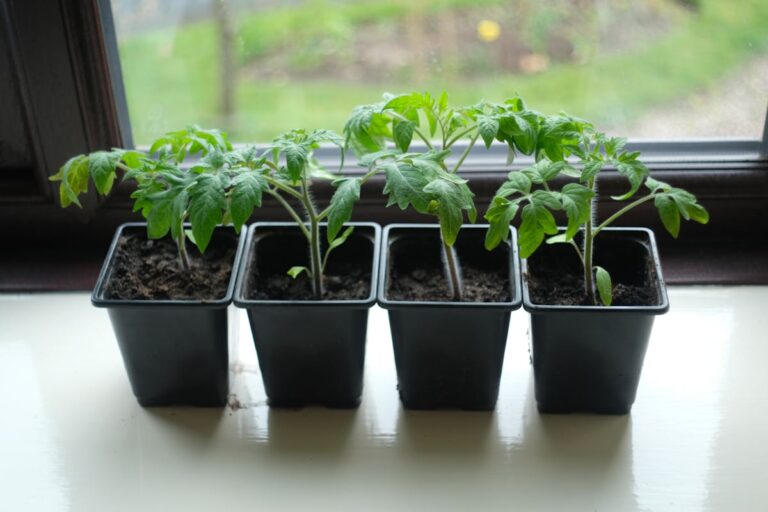
Hardening off is the gradual process of acclimatizing your new plants to the outdoor environment. Whether you’ve bought seedlings from a nursery or are transplanting houseplants outdoors, they need time to adjust to the sun, wind, and temperature changes that differ significantly from the conditions they were raised in. Without this gradual adjustment, plants may experience shock, leading to stunted growth or even death.
Why is Hardening Off Important?
Plants grown in nurseries or greenhouses often thrive in controlled climates, with consistent temperatures, humidity, and light levels. When suddenly exposed to the harsher outdoor elements, they can struggle to adapt. The stress from this abrupt transition can cause wilting, leaf drop, or even death in extreme cases. By hardening off, you give your plants a fighting chance to establish their root systems and adjust to their new surroundings.
When to Harden Off Your Plants
Timing is essential when it comes to hardening off. Generally, this process should begin about one to two weeks before you plan to plant your new greenery outdoors. For most North American gardeners, particularly those in USDA zones 3-7, this means starting the hardening off process in early spring, usually around late April to early May. However, if you live in a warmer zone, you may need to adjust your timing accordingly.
How to Harden Off Your Plants
1. Choose the Right Location: Begin by selecting a sheltered spot outdoors that receives indirect sunlight. A shaded area is ideal for the initial days of hardening off. Avoid placing your plants in direct sunlight right away, as this can lead to sunburn and stress.
2. Start Slow: For the first few days, expose your plants to outdoor conditions for just a couple of hours each day. This allows them to gradually acclimate to the temperature, humidity, and wind.
3. Gradually Increase Exposure: After a few days, gradually increase the time your plants spend outdoors. Each day, add an hour or two to their outdoor exposure. After about a week, you can start introducing them to direct sunlight for short periods, gradually extending this exposure over the course of a week.
4. Monitor Weather Conditions: Pay attention to the weather, particularly temperature fluctuations and potential frost. If nighttime temperatures are expected to drop below 50°F (10°C), bring your plants indoors. Be especially cautious if you live in areas prone to late spring frosts.
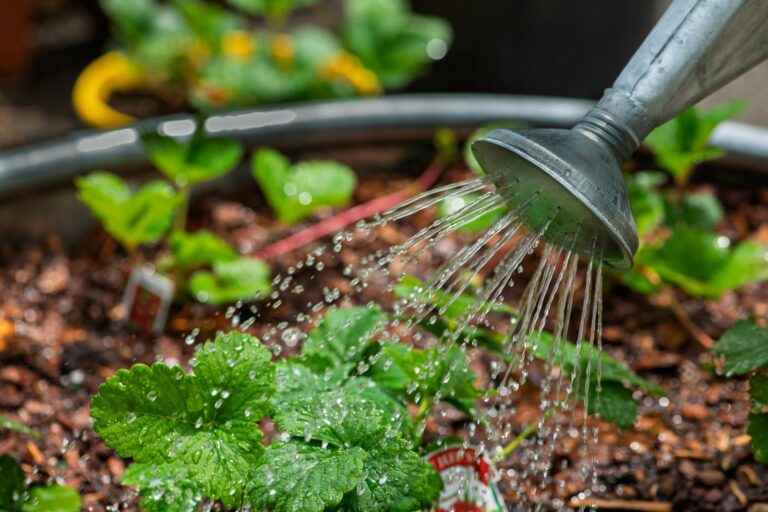
5. Water Wisely: While hardening off, ensure your plants are adequately hydrated. Water them before moving them outside, as they can become dehydrated during this transition. However, avoid overwatering, which can lead to root rot.
6. Observe for Stress: Keep an eye on your plants for signs of stress, such as wilting or browning leaves. If you notice these signs, consider bringing them back indoors to recover before continuing the hardening off process.
Common Mistakes to Avoid
Even seasoned gardeners can make mistakes during the hardening off process. Here are some common pitfalls to avoid:
Skipping the Process: One of the biggest mistakes is skipping hardening off entirely. This can lead to plant shock, which can severely affect the health and growth of your plants.
Too Much Sun Too Soon: Exposing your plants to full sun right away can cause leaf burn. Always start with indirect light and gradually increase exposure.
Inconsistent Timing: Be consistent with your hardening off routine. Inconsistent exposure can confuse your plants and lead to stress.
Ignoring Temperature Changes: Always be mindful of nighttime temperatures. If it’s too cold, your plants need to come indoors.
Neglecting Water Needs: Ensure your plants are not only watered before hardening off but also checked daily while they are adjusting to outdoor conditions.
Benefits of Proper Hardening Off
Taking the time to properly harden off your plants can lead to a multitude of benefits. Well-acclimated plants are more resilient to pests and diseases, have improved growth rates, and are better equipped to handle environmental stressors. Additionally, they are likely to produce more robust blooms and fruits, making your gardening efforts more rewarding.
In Summary
After bringing home new plants, the excitement can lead to hasty decisions, but remember: the key to successful gardening is patience. By implementing a thorough hardening off process, you prepare your new plants for the outdoor environment, allowing them to flourish in your garden. Whether you are planting flowers, vegetables, or shrubs, taking this simple but essential step can make all the difference in your gardening success. So, take a deep breath, give your new plants the time they need, and watch them thrive in their new home.