The Drainage Layer Dilemma: Why Adding Rocks to the Bottom Can Hurt Your Plants
A common assumption among gardeners is that creating a drainage layer of rocks at the bottom of pots and planters will prevent waterlogging and promote healthy plant growth. However, this practice might actually backfire, leading to more problems than it solves. Let’s dive into the reasons why this myth persists, the science behind soil drainage, and what you can do to optimize your container gardening experience.
Understanding Soil Drainage
Before we tackle the rock layer myth, it’s essential to understand how soil drainage works. Plants need a balance of air and moisture in their root zones. When water moves through soil, it allows the plant roots to breathe and absorb nutrients. Proper drainage is crucial, as too much water can suffocate roots, leading to root rot and other issues.
In containers, drainage is typically managed through drainage holes at the bottom. These holes allow excess water to escape, preventing the soil from becoming overly saturated. The type of soil used in your container is just as important as the drainage holes. A well-aerated, well-draining potting mix will significantly reduce the risk of waterlogging without the need for additional layers of rocks.
The Myth of the Drainage Layer
The idea of adding a layer of rocks or gravel to the bottom of a pot stems from the belief that it will improve drainage. However, research shows that adding a drainage layer can actually hinder water movement. When water flows through soil and reaches the layer of rocks, it slows down significantly. This phenomenon occurs due to soil’s cohesive properties and the contrasting particle sizes between soil and rock.
When water hits the rocks, it tends to stay in the soil layer above the rocks because it cannot easily move into the larger spaces between the rocks. This can create a perched water table, where the soil above remains wet while the rocks below do not effectively drain. As a result, the area where plant roots reside can become overly saturated, leading to root rot and other moisture-related issues.
What Should You Do Instead?
1. Choose the Right Soil: Invest in high-quality potting soil designed for containers. Look for mixes that contain materials like perlite, vermiculite, or coconut coir, which help improve aeration and drainage while retaining some moisture.
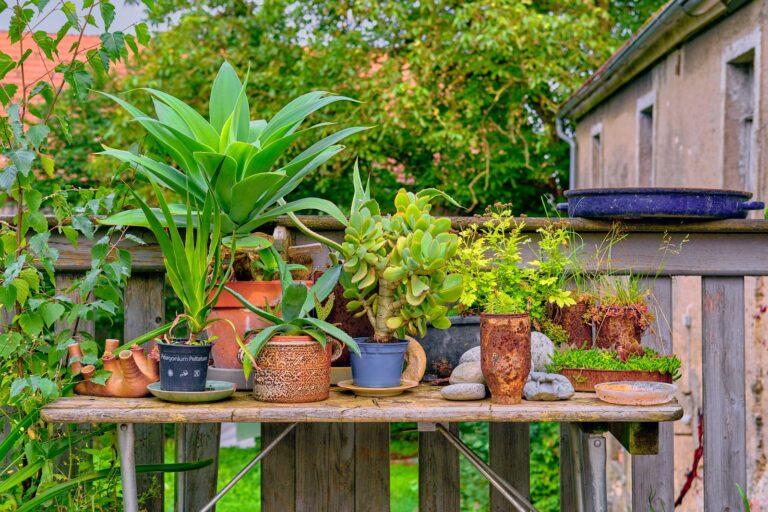
2. Use Proper Containers: Ensure your pots have adequate drainage holes. If you’re using a decorative pot without drainage, consider placing a smaller pot inside it for your plants. This way, excess water can escape without compromising aesthetics.
3. Avoid Overwatering: One of the most common mistakes gardeners make is overwatering. Always check the moisture level of the soil before watering. You can do this by sticking your finger an inch or two into the soil; if it feels dry, it’s time to water.
4. Incorporate a Drainage Layer – but Not Rocks: If you feel a drainage layer is necessary, consider using materials that won’t create a perched water table. Small pieces of broken pottery, mesh, or even synthetic drainage mats can be more effective than rocks, preventing soil from clogging the drainage holes while still allowing excess water to escape.
5. Monitor Your Plants: Keep an eye on your plants for signs of overwatering or underwatering. Yellowing leaves, wilting, or stunted growth can be indicators that something is wrong. Adjust your watering schedule accordingly.
6. Repot When Necessary: If you notice persistent issues with drainage or root growth, it may be time to repot your plants. Choose a larger pot with fresh soil, as root-bound plants can also struggle with water absorption.
Common Mistakes to Avoid
Even experienced gardeners can fall for the drainage layer myth. Here are some common mistakes to watch out for:
Believing All Pots Need Rocks: Not every type of container requires a drainage layer of rocks. Focus on using quality potting soil and ensuring your containers have proper drainage holes.
Ignoring Soil Composition: Using garden soil in containers can lead to compaction and poor drainage. Always opt for a potting mix designed for container gardening.
Neglecting to Monitor Soil Moisture: Regularly check the moisture level of your pots. It’s easy to assume that plants in containers will need frequent watering, but conditions can vary greatly depending on the season, pot size, and plant type.
Overlooking Plant Needs: Different plants have different water requirements. Make sure to research the specific needs of your plants and adjust your care routine accordingly.
Final Thoughts
Understanding the intricacies of soil drainage and plant health is crucial for successful gardening, especially in containers. By debunking the myth of the drainage layer and focusing on the right soil, container choice, and watering practices, you can create a thriving environment for your plants. Remember, gardening is as much about learning from experience as it is about applying knowledge—so don’t hesitate to adjust your methods as you observe how your plants respond! Happy gardening!