The Early Morning Routine Many Gardeners Follow Might Be Doing More Harm Than Good During Rapid Growth Season
Many gardeners rely on early morning routines as a core part of plant care, especially during fast-growing seasons. Watering, pruning, and inspection are often done at dawn because conditions feel cooler and more controlled. However, in certain situations, these habits can unintentionally create stress for plants during their most active growth phase.
Excess Moisture Can Linger Too Long
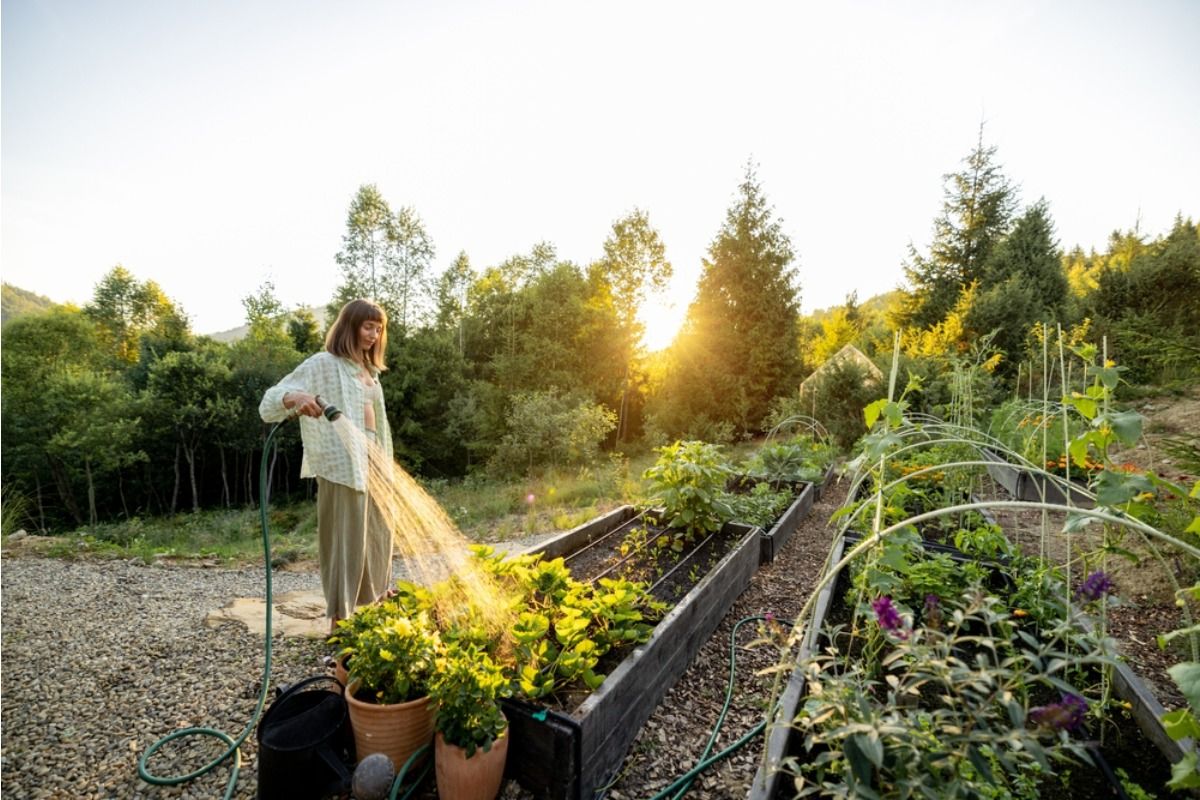
Morning watering can leave soil and foliage wet for extended periods if temperatures stay cool or humidity is high. When water does not evaporate quickly, it creates conditions that encourage fungal growth. Roots and leaves may remain damp longer than ideal, increasing the risk of disease during rapid growth stages.
Sudden Temperature Shifts Add Stress
Water applied in very early hours can be noticeably cooler than the surrounding soil, especially during warm seasons. This temperature difference may temporarily shock root systems. While plants often recover quickly, repeated stress can slow overall growth and reduce efficiency during critical development periods.
Encouraging Shallow Root Dependence
Frequent light watering in the morning can lead plants to keep roots closer to the soil surface. This makes them more dependent on regular moisture and less resilient during heat or dry spells. Deeper, less frequent watering often encourages stronger root systems that support better long-term growth.
Increased Fungal and Pest Activity
Damp environments combined with warm daytime temperatures can accelerate fungal spread. Some pests also thrive in consistently moist conditions. If morning routines consistently leave plants wet, it can unintentionally support these problems during peak growth phases.
Disruption of Natural Water Absorption Cycles
Plants naturally adjust water uptake based on soil conditions throughout the day. Overly rigid morning watering schedules may not always match actual plant needs. In some cases, this can lead to overwatering or uneven moisture distribution in the soil.
Timing Matters More Than Routine
The effectiveness of morning care depends heavily on climate, soil type, and plant species. In some environments, it works well, while in others it creates avoidable stress. Observing soil moisture and plant response is often more important than sticking strictly to a fixed schedule.
Gardening routines are helpful, but they are not universally ideal for every situation. During rapid growth periods, flexibility and awareness of environmental conditions often matter more than timing alone. Small adjustments in how and when care is given can make a significant difference in plant health.