The Essential Pre-Purchase Checklist for Every New Plant Parent
Before you dash off to the local nursery or garden center, excited to bring home a new green companion, there is one crucial step that every aspiring plant parent should take: assessing your space and conditions. While it may seem simple, this step can make all the difference in ensuring your new plant thrives in its new home. Here’s what you need to consider before making that purchase.
Understanding Your Environment
Before selecting a new plant, take a good look at your gardening space. This includes both indoor and outdoor environments. Each plant species has its own unique requirements regarding light, temperature, humidity, and soil type.
Light Conditions
Start by evaluating the light your space receives. Is it bright and direct, or is it more shaded and indirect? For outdoor gardens, note if certain areas are sunny all day or receive only partial sunlight. Indoor spaces can be trickier, especially if you have varying light levels throughout the day.
Plants like succulents and cacti thrive in bright, direct light, while others, such as ferns and snake plants, prefer lower light conditions. Familiarizing yourself with the light levels in your home or garden will help you choose plants that will flourish in those conditions.
Temperature and Humidity
Next, consider the temperature and humidity levels. Most plants have an ideal temperature range, usually between 60°F and 75°F for most houseplants. If you live in a region with extreme temperatures, it’s essential to choose plants that can tolerate those conditions.
Additionally, humidity plays a key role, especially for houseplants. Many tropical plants, like orchids and peace lilies, thrive in high humidity. If your home has dry air, especially during winter months, you might need to invest in a humidifier or consider plants that can tolerate lower humidity levels.
Soil and Drainage
Another essential factor is the type of soil and drainage that your new plant will require. Certain plants thrive in well-draining soil, while others prefer denser, moisture-retaining mixes. Research the specific needs of any plants you’re considering and ensure you have the appropriate soil mix ready.
Also, ensure that you have pots with proper drainage holes if you’re buying container plants. Poor drainage can lead to root rot and other issues that can quickly kill your new plant.
Creating a Plant Care Plan
Before you bring a new plant into your home, it’s also wise to create a care plan.
Watering Needs
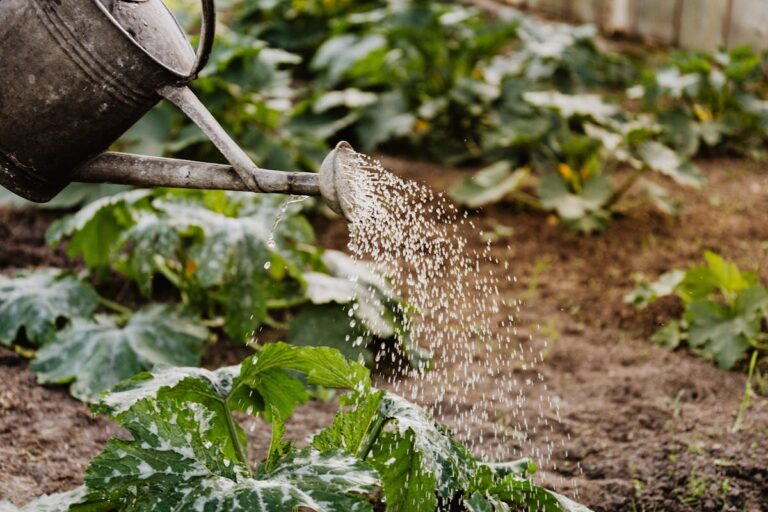
Understanding how often and how much to water your new plant is crucial. Some plants, like succulents, only need watering every few weeks, while others, like ferns, may require more frequent moisture. A good rule of thumb is to check the topsoil; if it feels dry to the touch, it’s usually time to water.
Keep in mind that overwatering is a common mistake among new plant owners. Be sure to research specific watering needs for each plant to avoid drowning them.
Fertilization
Plants require different nutrients to thrive, and determining how to fertilize your new plant can be tricky. Most houseplants don’t need fertilization during the winter months when they’re dormant. However, during the growing season (spring and summer), a balanced, water-soluble fertilizer can help promote healthy growth.
Pest Prevention
Bringing a new plant home also requires vigilance against pests. Before purchasing, examine the plant carefully for any signs of pests, such as sticky residue, webbing, or visible insects. Introducing a new plant that harbors pests can lead to infestations in your existing plants. Quarantine your new plant for a few weeks in a separate area to ensure it’s pest-free before integrating it into your collection.
Choosing the Right Plant
Once you have a clear understanding of your space and care requirements, it’s time to choose the right plant. Here are some tips to help you make the best selection:
Research Before You Buy
Take the time to research different plant species that suit your conditions. Consider their growth habits, potential size, and overall care needs. Many gardening websites and apps provide information on specific plants, including user reviews and care tips that can guide your decision.
Start Small
If you’re a beginner, starting with smaller plants or those known for being low-maintenance can help build your confidence. Plants like pothos, spider plants, and snake plants are excellent choices for novice gardeners.
Consider Native Plants
In outdoor gardens, consider incorporating native plants that are well-adapted to your local climate and soil conditions. Native plants often require less care and are more resilient to local pests and diseases, making them a sustainable choice for your garden.
Timing Your Purchase
Finally, timing can play a significant role in your plant’s success. Spring is typically the best time to purchase new plants, as this is when they naturally begin their growing season. However, if you’re looking to buy houseplants, they can generally be purchased year-round, keeping in mind the environmental conditions in your home.
In contrast, if you’re considering outdoor plants, check your local frost dates to ensure you’re planting at the right time. Late spring is usually the safest time to introduce new garden plants after the threat of frost has passed.
By taking these steps before bringing home a new plant, you can set yourself up for success and enjoy the beauty and benefits that plants bring to your life. Remember, every plant has its own unique preferences and requirements, so doing your homework will pay off in the long run. Happy gardening!