The February Plant Dilemma: Know When to Buy and When to Wait
As winter drags on, many gardeners start to feel the itch to get outside and dig in the dirt. It’s easy to get lured into local garden centers and big-box stores during February, where vibrant plants and budding flowers promise the arrival of spring. However, buying plants at this time can be tricky. In this article, we’ll delve into why purchasing plants in February can sometimes be a trap, and when it’s actually a smart decision.
Understanding the February Trap
February is a transitional month in many regions across North America. While some areas may be experiencing warm spells, others are still deep in winter’s grip. This inconsistency can create a false sense of security for gardeners. You may be tempted to buy flowering plants, shrubs, or even trees, only to find that the late frost or cold snap damages your new arrivals.
For gardeners in USDA zones 4 and below, the risk is particularly high. These areas often experience late-season snow and freezing temperatures well into March. If you buy plants in February only to have them exposed to harsh weather, you may end up with dead or stunted plants, leading to disappointment and financial loss.
Timing is Key: When to Buy Plants
So, when is it actually smart to buy plants in February? Here are some scenarios where a February purchase can be beneficial:
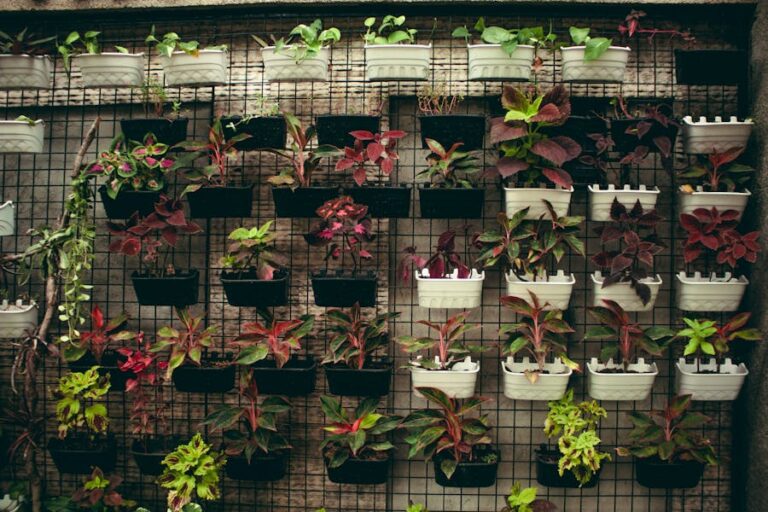
1. Indoor Plants: If you’re looking to add greenery to your home, February is a great time to buy houseplants. The indoor environment is more controlled, and you can nurture them until the weather warms up outside. Consider varieties like pothos, snake plants, or peace lilies that thrive indoors and can help purify your air.
2. Bare Root Plants: Many nurseries begin to sell bare root plants, such as fruit trees and certain perennials, in late winter. Buying bare root plants in February can be advantageous, as they are often cheaper and easier to transplant. Just ensure that you plant them as soon as the ground is workable, following the nursery’s specific guidelines.
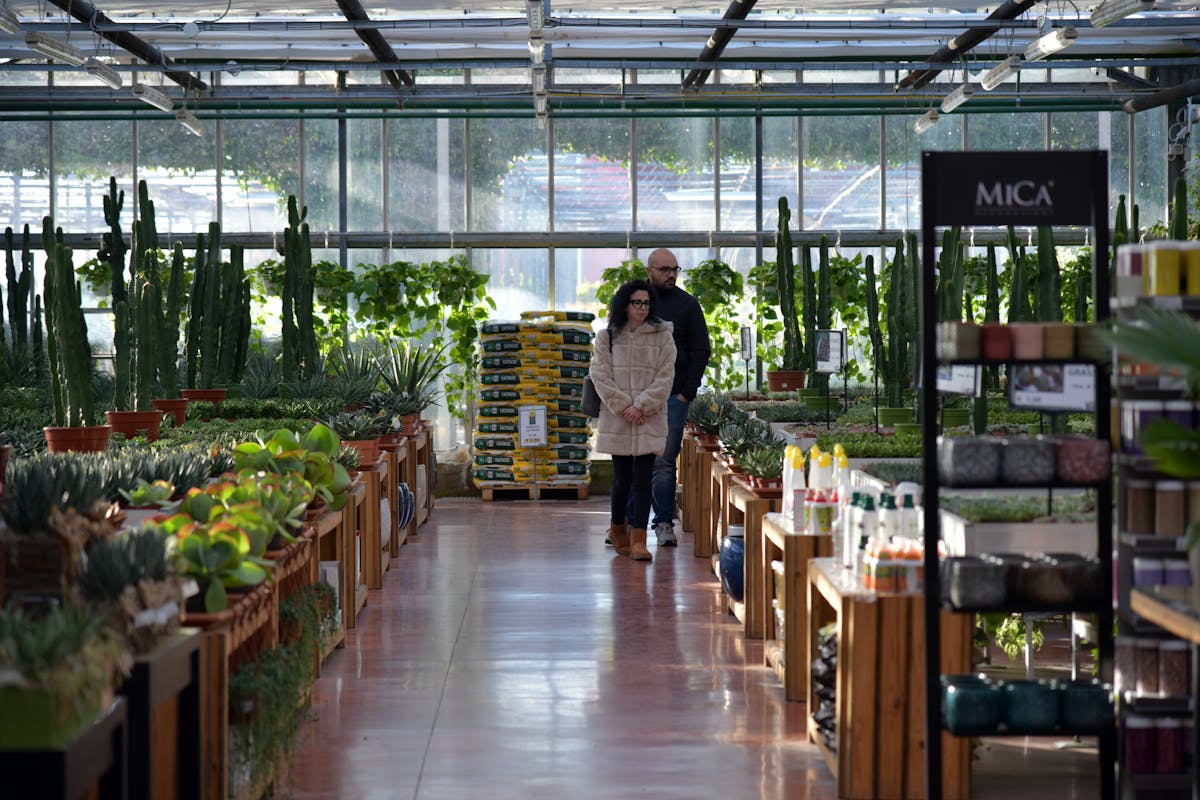
3. Planning and Prepping: Use February as an opportunity to plan your garden. Visit nurseries to see what varieties are available for the upcoming season. You can also take advantage of early sales on seeds and supplies, setting yourself up for a successful spring.
Common Pitfalls to Avoid
To make the most of your February gardening ventures, keep these common pitfalls in mind:
1. Ignoring Local Weather Patterns: Always check the long-term weather forecast for your area. If you’re in a region that typically experiences late frosts, it’s better to wait until March or even April to purchase outdoor plants.
2. Overlooking Plant Hardiness: When buying plants, pay attention to their hardiness zones. Make sure any outdoor plants you purchase can handle the temperatures in your area. Many nurseries label plants with their USDA hardiness zones, making it easier to choose appropriate varieties.
3. Buying Before You’re Ready: Resist the temptation to impulse buy. Have a plan for where you’ll plant your new additions and ensure you have the necessary soil and amendments ready. A poorly timed planting can lead to poor growth or plant failure.
4. Neglecting Potting and Acclimatization: If you do bring home plants in February, especially if they’re meant for outdoor planting, make sure to acclimate them gradually. This means keeping them in a sheltered area, allowing them to adjust to outdoor conditions before fully planting them in your garden.
Tips for Success in February Gardening
If you decide to dive into February gardening, here are some tips to ensure success:
Start Seeds Indoors: February is an excellent time to start seeds indoors for warm-season crops like tomatoes, peppers, and cucumbers. Use grow lights or a sunny window to give them the best start.
Prune and Prepare: Use this time to prune dormant trees and shrubs, prepare your garden beds, and clean your tools. This will help you hit the ground running when the weather warms up.
Research Plant Varieties: Take time to research which plants thrive in your local climate and any new varieties you might want to try. Knowledge is power when it comes to creating a thriving garden.
Join Local Gardening Groups: Engage with local gardening communities, either online or in person. Other gardeners can offer valuable insights on what works best in your area and share their experiences with February planting.
In summary, while February can be a tempting time for buying plants, it’s crucial to approach it with caution. Understanding the risks, knowing when to buy, and avoiding common pitfalls can help you navigate this tricky month. With a little planning and patience, you’ll be well on your way to a flourishing garden come spring.