The Fruit Trees Were There Before Either House Was Built, So Neither Neighbor Expected the Property Line Dispute That Followed
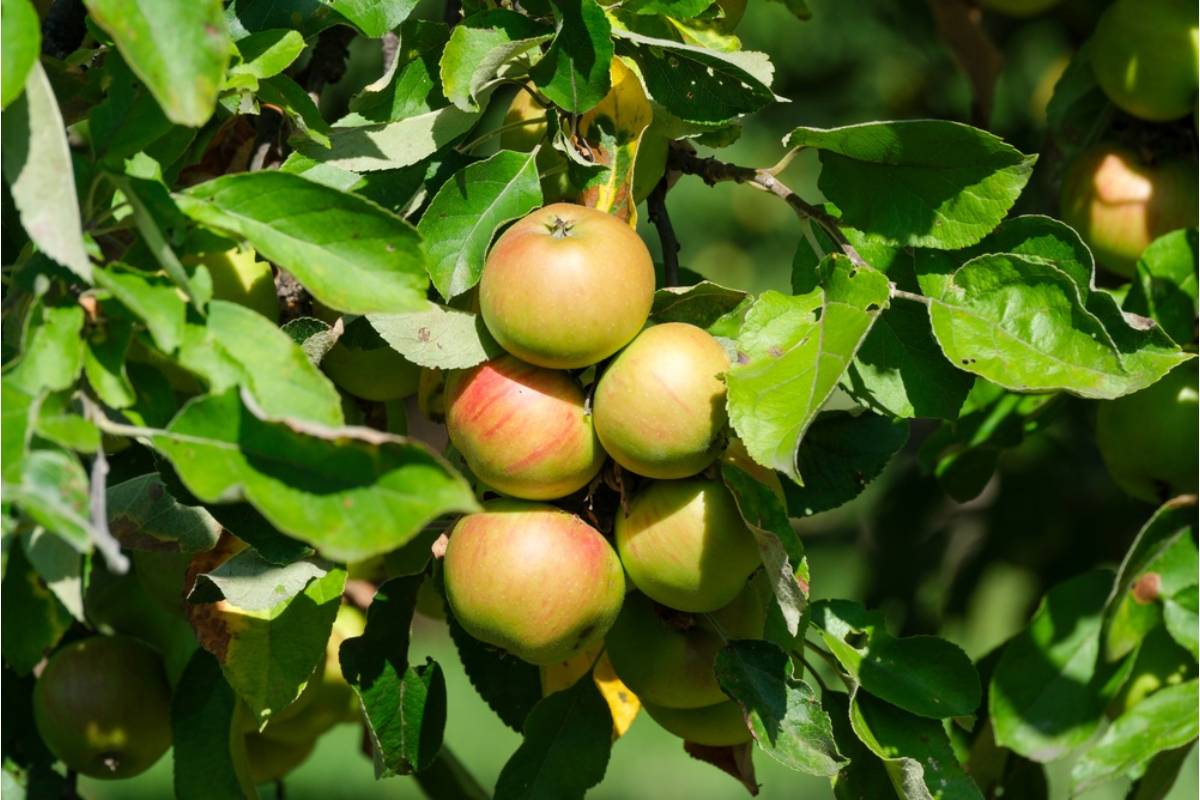
The old fruit trees stood on the hillside long before anyone built houses on either side of them. They were treated as part of the neighborhood’s history, producing apples, pears, and plums that families quietly shared every harvest season. Nobody questioned who owned them because everyone assumed the answer had already been settled decades ago. That comfortable assumption fell apart the day a routine property survey uncovered something no one expected.
The Orchard That Outlived the Farms
Long before our subdivision existed, the entire area had been a family farm. Most of the orchards disappeared when developers purchased the land, but a small cluster of mature fruit trees survived because the builder decided they added character to the neighborhood.
When my wife and I moved into our home, those trees were already towering over both backyards.
Older residents often shared stories about picking apples there as children before the streets were even paved. The trees became something people admired rather than questioned.
Our New Neighbors Loved the Harvest Too
A year after we moved in, a couple named Brian and Melissa bought the house next door.
They immediately fell in love with the fruit trees.
Every fall we gathered together to collect apples before squirrels claimed most of them. Melissa baked pies while my wife turned pears into preserves.
Neither family cared exactly where the property line ran because we always shared the harvest.
Life felt wonderfully uncomplicated.
A Fallen Branch Started Everything
One summer afternoon a heavy branch cracked and landed near Brian’s backyard fence.
Thankfully nobody was injured.
The damaged limb narrowly missed his garden shed, leaving only minor scratches on the roof.
After cleaning everything up, we agreed the aging trees should probably be inspected by an arborist before another branch caused serious damage.
That practical decision unexpectedly opened a much larger problem.
The Arborist Recommended a Survey
The arborist explained that responsibility for maintaining mature trees usually depended on property ownership.
Since several trunks appeared close to the boundary, he suggested confirming the exact property line before recommending major pruning or structural work.
Neither of us expected any surprises.
We hired a surveyor simply to avoid confusion.
Instead, confusion became unavoidable.
Bright Stakes Changed the Mood
The survey crew spent most of the morning taking careful measurements.
When they finished, colorful stakes marked a boundary that cut directly through the cluster of fruit trees.
One trunk appeared entirely on my property.
Another stood clearly on Brian’s.
The largest apple tree seemed positioned almost exactly along the surveyed line.
Everyone stared at the markings without speaking.
The answer looked far less straightforward than we expected.
Old Deeds Told Different Stories
The survey results led us to county property records.
To our surprise, historical deeds described the boundary differently over several decades.
Earlier documents referred to stone markers from the original farmland.
Later paperwork relied on subdivision maps prepared years afterward.
Small differences in wording created big questions once the mature trees entered the conversation.
Nobody could confidently explain which description best reflected the original intention.
Insurance Raised New Concerns
As discussions continued, Brian’s homeowner’s insurance company requested clarification.
Because one damaged branch had already fallen near his shed, they wanted written confirmation identifying responsibility for future maintenance.
Suddenly the issue extended beyond fruit.
It involved liability, safety, and legal ownership.
What had once been friendly conversations over fresh apples slowly became formal discussions filled with paperwork.
Neither family enjoyed the change.
The Neighborhood Started Taking Sides
Word spread surprisingly fast.
Some neighbors believed every tree belonged to whichever property held the trunk.
Others argued that historic orchard trees should remain shared regardless of modern lot lines.
People offered opinions during evening walks and neighborhood cookouts.
Many spoke confidently despite knowing very little about the actual records.
The growing attention made both families increasingly uncomfortable.
An Elderly Resident Remembered Something Important
One afternoon Mrs. Henderson, who had lived nearby longer than anyone else, knocked on my door carrying a dusty photo album.
Inside were photographs taken before our subdivision existed.
One image showed the old orchard with several stone boundary markers visible in the background.
She explained that the original farmer intentionally planted certain trees beside shared access paths so neighboring families could harvest together during community gatherings.
That detail changed how everyone viewed the dispute.
A Forgotten Survey Map Appeared
Encouraged by the photographs, we searched deeper through county archives.
An employee located an old survey map that had never been digitized because it predated modern subdivision records.
Unlike later documents, the original map identified the orchard as a preserved landscape feature rather than ordinary property improvements.
Several handwritten notes referred to cooperative maintenance agreements among future landowners.
Although the agreements no longer carried legal authority, they revealed the original developer’s intentions.
Lawyers Suggested a Practical Solution
Both families consulted separate attorneys expecting complicated legal advice.
Instead, each lawyer reached nearly the same conclusion.
While ownership questions could certainly be argued, prolonged legal action would cost far more than maintaining the trees cooperatively.
More importantly, court proceedings could permanently damage an otherwise positive relationship between neighbors.
Neither Brian nor I wanted that outcome.
We Sat Down Without Attorneys
One Saturday morning we placed folding chairs beneath the largest apple tree.
Only our two families attended.
No legal language.
No formal negotiations.
Just honest conversation.
Melissa quietly admitted she worried less about ownership than losing traditions her children already loved.
My wife nodded immediately because she felt exactly the same.
A New Agreement Grew From Common Sense
Together we drafted a simple written agreement.
Maintenance expenses would always be shared equally.
Fruit would continue being divided between both households, with extra harvest donated to the local food pantry.
Major decisions involving pruning or tree removal would require both families to agree beforehand.
Neither lawyer had suggested anything quite so simple.
Yet everyone felt relieved.
The Children Solved the Last Problem
During the first harvest after signing our agreement, something happened that made the entire dispute seem almost unnecessary.
Brian’s youngest daughter handed my grandson a basket and announced, “These apples belong to everybody anyway.”
The adults looked at one another and laughed.
She had unknowingly repeated almost the exact words Mrs. Henderson remembered hearing from the original farmer decades earlier.
Sometimes children understand community better than adults.
The Trees Received the Care They Needed
With ownership concerns finally settled, the arborist returned to complete long overdue maintenance.
Weak branches were removed.
The oldest trunks received structural support.
Healthy pruning encouraged stronger future growth.
Instead of arguing about who should authorize each decision, both families worked beside the crew collecting fallen branches for firewood.
The atmosphere felt completely different from the tense weeks before.
The Harvest Festival Brought Everything Full Circle
Inspired by the experience, our neighborhood association organized a small annual harvest gathering beneath the old orchard. Families baked pies, pressed fresh apple cider, and shared recipes that had been passed down through generations. Mrs. Henderson displayed copies of the historic photographs, reminding everyone that the trees had connected people long before property lines divided the land.
Standing beneath those branches now, it is difficult to remember how close we came to turning neighbors into opponents. The fruit trees had survived changing seasons, changing farms, and changing neighborhoods because they were never meant to belong to only one family.
They represented something larger than legal boundaries. Every autumn, as baskets fill with apples and children race beneath the same branches that shaded generations before them, I realize the strongest roots in that orchard were never growing underground. They were growing quietly between the people willing to care for it together.