The Gardener’s Winter Guide to Seeds: Essential Tips for the Off-Season

As winter settles in across North America, many gardeners might feel their hands tied, yearning for the vibrant colors and scents of spring. However, this season offers a unique opportunity to dive deep into the world of seeds, ensuring your garden flourishes when warmer weather returns. Understanding seeds is crucial for any gardener, and winter is the perfect time to learn about seed selection, storage, and preparation for the upcoming planting season.
Understanding Seeds
Seeds are the foundation of your garden, and knowing the specifics about them can significantly impact your gardening success. Each seed contains the genetic blueprint for a plant, along with the necessary nutrients to kickstart its growth. This winter, take time to familiarize yourself with different seed types—such as heirloom, hybrid, and organic—and understand which varieties thrive in your USDA zone.
Heirloom seeds are open-pollinated and have been passed down through generations, often boasting unique flavors and resilience. Hybrid seeds, on the other hand, are bred for specific traits like disease resistance and higher yields but may not produce offspring that are true to the parent plant. Organic seeds are grown without synthetic pesticides or fertilizers, appealing to environmentally conscious gardeners.
Seed Selection
As you prepare for spring planting, consider which crops you want to grow. Vegetables such as tomatoes, peppers, and cucumbers are popular choices, but also explore herbs and flowers to create a diverse garden ecosystem. When selecting seeds, be mindful of your local climate and the length of your growing season. Research the recommended planting dates for your area and choose seeds that align with those timelines.
For beginners, starting with easy-to-grow varieties like radishes, lettuce, and sunflowers can be rewarding. More experienced gardeners might want to experiment with less common plants or heirloom varieties that require more attention but offer unique flavors and aesthetics.
Seed Storage
Proper storage is critical to maintaining seed viability. As winter approaches, check your seed inventory. If you have leftover seeds from last season, ensure they are stored correctly to prolong their lifespan. Seeds should be kept in a cool, dry place, away from direct sunlight. An airtight container or a sealed envelope placed in the refrigerator can help maintain their viability for several years.
Make sure to label your seeds clearly, including the type and date of purchase. This will help you keep track of their age and plan your planting schedule accordingly. If you’re unsure about the germination rates of older seeds, a simple test can be conducted. Place a few seeds on a damp paper towel, cover them, and keep them warm. If most of them sprout within a week or two, they are still viable for planting.
Planning Your Garden
Winter is an excellent time to plan your garden layout. Consider factors like sunlight exposure, soil type, and companion planting. Sketch your garden design, taking note of where each plant will thrive best. Research which plants grow well together; some can deter pests or enhance the growth of others when planted nearby.
Additionally, this is a great time to think about succession planting. By staggering your planting times, you can extend your harvest season. For instance, sowing fast-growing crops like lettuce in early spring can allow for a second planting of slower-growing varieties, like tomatoes, in the same space once the first crop is harvested.
Starting Seeds Indoors
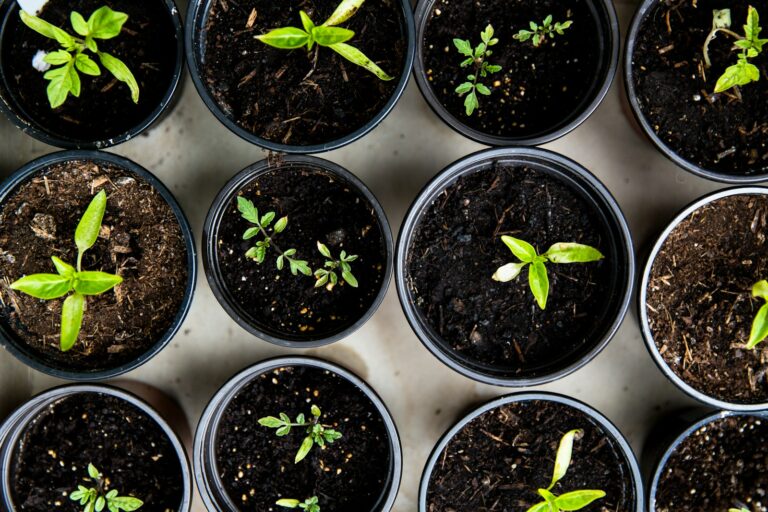
If you’re eager to get a jump on the growing season, starting seeds indoors is an excellent option. Many plants, including tomatoes and peppers, benefit from an early start. To do this successfully, invest in quality seed-starting trays, potting soil, and grow lights if natural light is limited.
Plan to start your seeds indoors 6-8 weeks before the last expected frost date in your area. Keep the soil consistently moist and provide adequate warmth to encourage germination. Once seedlings develop their second set of true leaves, they can be transplanted into larger containers or directly into your garden after the risk of frost has passed.
Common Mistakes to Avoid
As you embark on your winter seed preparation, be aware of common mistakes that can hinder your gardening success. One prevalent issue is overwatering seedlings, which can lead to root rot. Ensure that your containers have drainage holes and allow the soil to dry slightly between waterings.
Another mistake is not hardening off your seedlings before transplanting them outside. Gradually acclimate your plants to outdoor conditions by placing them outside for a few hours each day, gradually increasing their exposure to sunlight and wind over a week or two.
Finally, avoid neglecting your garden planning. Failing to create a layout or timeline can lead to overcrowded plants and an unorganized garden. Take the time to plan, and you’ll reap the rewards come harvest time.
Embracing the Winter Months
Winter may seem like a dormant season for gardeners, but it’s a critical time for laying the groundwork for a successful garden. By understanding seeds, selecting the right varieties, and planning your garden layout, you’ll set yourself up for a flourishing spring. Use this time wisely to learn, prepare, and dream about the vibrant garden that awaits you when the frost melts away. Happy gardening!