The Gardening Habit People Don’t Admit They’ve Given Up And How To Rediscover Joy Outdoors
Ever look at your garden and wonder why it’s not as lush as it used to be? Maybe you’re not alone. There are certain gardening habits many of us quietly drop without even realizing it.
The gardening habit people don’t admit they’ve given up is often the one that quietly changes their results the most. Noticing these changes can help you shake things up and bring new life back to your outdoor space.
Overwatering plants daily
It’s easy to believe watering your plants every day is the best way to care for them. Too much water, though, can actually do more harm than good.
Plants need their roots to breathe and absorb nutrients. Daily watering can drown the roots and lead to root rot.
Yellow leaves or droopy stems are signs your plant is stressed from overwatering. Sometimes, too much water is worse than too little.
Check the soil before you reach for the watering can. If it’s still damp, give it another day.
Adjusting your watering habits keeps your plants healthier and happier.
Trusting plant labels blindly
Walking into a garden center, those “easy care” or “perfect for beginners” tags feel reassuring. But plant labels don’t always paint the full picture.
They often skip details about the true care a plant needs. Soil type, sunlight, and watering needs can be very different at home.
Garden centers grow plants in ideal conditions. Your backyard might have different soil and weather.
Instead of relying only on labels, take a little time to learn about each plant’s unique needs. You’ll see better results and enjoy gardening more when you use labels as a starting point, not the whole story.
Fertilizing too frequently
It’s tempting to think more fertilizer will make your plants thrive. But feeding your garden too often can backfire.
Excess fertilizer can build up salts and nutrients in the soil. This buildup can damage roots and make it harder for plants to drink water.
Signs like yellowing leaves or burned edges mean it’s time to cut back. Plants don’t need constant feeding to grow well.
Stick to the instructions on the fertilizer package. Let your garden have time to rest between feedings.
Finding the right balance keeps your plants healthy and your garden looking its best.
Ignoring native plants
Many gardeners stop using native plants without really noticing. Yet native plants are made for your local climate and need less care.
They also support local wildlife, bringing birds and insects right into your backyard. Your garden becomes a tiny ecosystem that helps the environment.
Some think native plants are boring or hard to find, but they come in all shapes and colors. Local nurseries often carry them at great prices.
Give native plants another look. They can save you time and add more life to your garden.
Using too much mulch
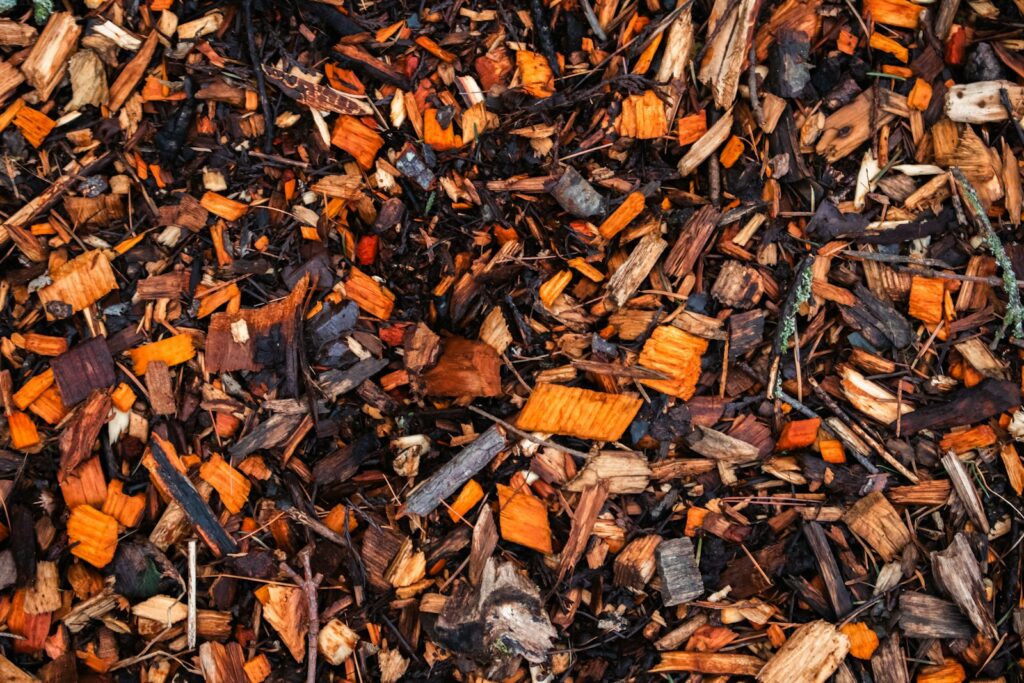
It’s easy to assume more mulch means better plant health. But piling it on too thick can suffocate roots and block water and air.
If mulch touches plant stems or trunks, it can lead to rot. Moisture trapped against the base makes plants more vulnerable to disease.
Too much mulch can also keep helpful insects away. These tiny helpers are important for a healthy garden.
Keep mulch about 2-3 inches thick and leave space around plant bases. That way, you get the benefits without the drawbacks.
Planting without space planning
Not everyone has a big yard, but that doesn’t mean you can’t grow something green. Even a windowsill or balcony can become your personal garden.
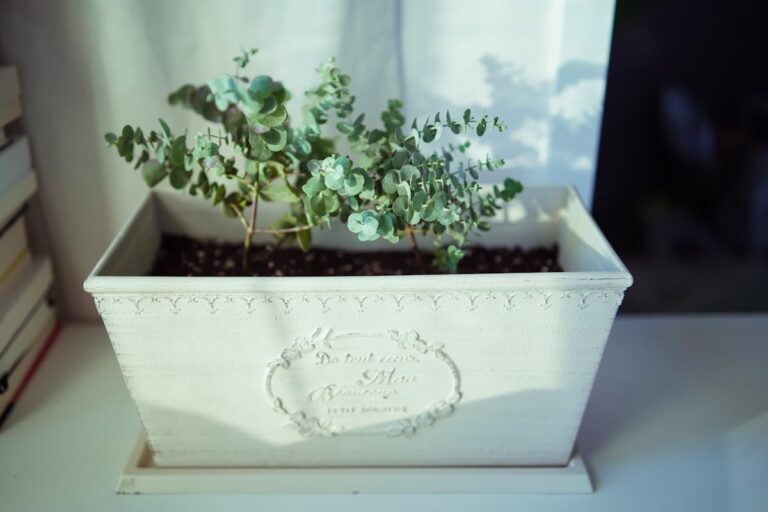
Containers like pots, hanging baskets, and window boxes work well in small spaces. Herbs and flowers don’t need much room to thrive.
Planning helps you pick the right plants for your space and sunlight. Simple choices like basil or mint in small pots can be a great start.
Try vertical gardening with shelves or trellises to make the most of your space. Watching your plants climb is rewarding.
Start small and let your garden grow as you go. Even a tiny spot can bring a lot of joy.
Skipping soil testing
Skipping soil tests is a habit that’s easy to fall into. But guessing what your soil needs can lead to wasted effort and struggling plants.
Soil testing tells you about pH and nutrient levels. Without it, you might use the wrong fertilizers or miss important issues.
Simple test kits are affordable and easy to use. Once you know your soil, you can make smart choices for your plants.
Testing your soil is a small step that can make a big difference in your garden’s success.
Leaving dead leaves on plants
Dead leaves can actually help your garden when used the right way. They act like a natural mulch, protecting soil and keeping moisture in.
These leaves also give shelter to helpful insects. These little critters break down organic matter and keep pests in check.
Don’t let leaves pile up too thick, though. Shredding them before spreading helps them break down faster and avoids smothering your plants.
Leaving some dead leaves supports a natural cycle that keeps your garden healthy.
Neglecting crop rotation
When you plant the same crops in the same spot every year, trouble starts to build. Pests and diseases quickly catch on and stick around.
Different plants use up different nutrients. Without rotation, your soil gets tired and your plants may not do as well.
Rotating crops keeps your soil healthier and cuts down on the need for extra fertilizers or pesticides.
Stick with crop rotation for happier plants and better harvests.
Watering at midday
Watering when the sun is high can feel convenient, but it’s not great for your plants. Most of the water evaporates before it can reach the roots.
Plants can get stressed or even scorched if watered in the heat. Early morning or late evening is best for deep watering.
Try to avoid watering during your lunch break. Your garden will reward you with stronger, healthier growth.
Why People Quietly Quit the Gardening Habit
Gardening can start off exciting but sometimes turns into a bigger challenge than you expected. The work of keeping plants alive and feeling pressure to have a perfect yard can be overwhelming.
Hidden Pressures of Maintaining a Garden
There’s more to gardening than just planting and watering. Weeding, mowing, and pest control can feel never-ending.
The cost of tools, seeds, and other supplies adds up quickly. Bad weather or plant diseases can ruin all your hard work.
Physical effort and unexpected expenses can make gardening feel like too much.
Comparing Yourself to Others in the Gardening Community
Scrolling through social media or seeing a neighbor’s perfect garden can make you doubt your own. It’s easy to feel like you’re not measuring up.
Hearing advice from experienced gardeners can sometimes feel overwhelming. When you can’t match their results, it’s tempting to just stop and avoid feeling judged.
Rediscovering Joy and Mindfulness in the Garden
Sometimes, finding joy in your garden is about shifting your perspective. It’s not about perfection but about enjoying small moments and reconnecting with nature.
Transforming Expectations for a Fresh Start
Let go of the idea that your garden needs to be flawless. Focus on the simple pleasure of planting or watering.
You don’t need a big yard to practice mindful gardening. Even a few pots can bring peace and satisfaction.
Pay attention to the feel of soil or the scent of flowers. Slowing down lets you notice the small details and makes gardening a calming escape from daily stress.
Cultivating Resilience Through Nature
There is something about getting your hands in the dirt that makes life’s problems feel a little smaller. When plants do not grow as you hoped, it can be frustrating.
But somehow, you keep coming back, learning to accept setbacks and try again. This steady process shapes your mindset in unexpected ways.
Spending time outside can ease anxiety and stress, especially when you start noticing the natural rhythms around you. The simple act of touching leaves or listening to birds invites your mind to slow down.
You begin to relax and feel more present. These small moments add up, helping you handle daily challenges with a bit more strength.