The Gardening Rule Everyone Followed for Years That’s Now Being Questioned Sparks Fresh Excitement and Debate
If you’ve spent any time digging in the dirt, you know how easy it is to get attached to gardening routines. Maybe you learned them from a neighbor, a parent, or a book. For a long time, these rules seemed like the only way to succeed.
But lately, gardeners everywhere are rethinking some of the basics. New ideas and discoveries are turning old advice upside down and making gardening more interesting for everyone.
Never plant before the last frost date—now gardeners experiment earlier with success!
The classic advice says to wait until after the last frost before planting anything. This was the go-to for protecting seedlings from cold snaps.
Recently, gardeners are taking some chances and planting earlier, especially with hardy greens and root vegetables. These crops can shrug off a little chill.
With some planning and tools like row covers or cloches, you can start your garden sooner. This means you might enjoy a longer growing season and see your plants take off ahead of schedule.
Trying something new in the garden can be a little nerve-wracking, but it’s also exciting. Picking the right crops and giving them protection can help you beat the calendar.
Always rotate crops yearly—recent studies suggest some plants benefit from repeated spots
Crop rotation has always been a big deal for keeping pests and diseases away. Most gardeners were taught to never plant the same thing in the same place two years in a row.
Now, new research is showing that some veggies actually like a familiar spot. Certain plants build up helpful relationships with the soil when they stay put.
That doesn’t mean you should stop rotating everything. Tomatoes and beans, for example, still need to move around to stay healthy.
But this new thinking gives you more options when planning your beds. It’s all about finding what works best for your space and your plants.
Tomatoes need 6-8 hours of direct sun—though some varieties perform well in partial shade
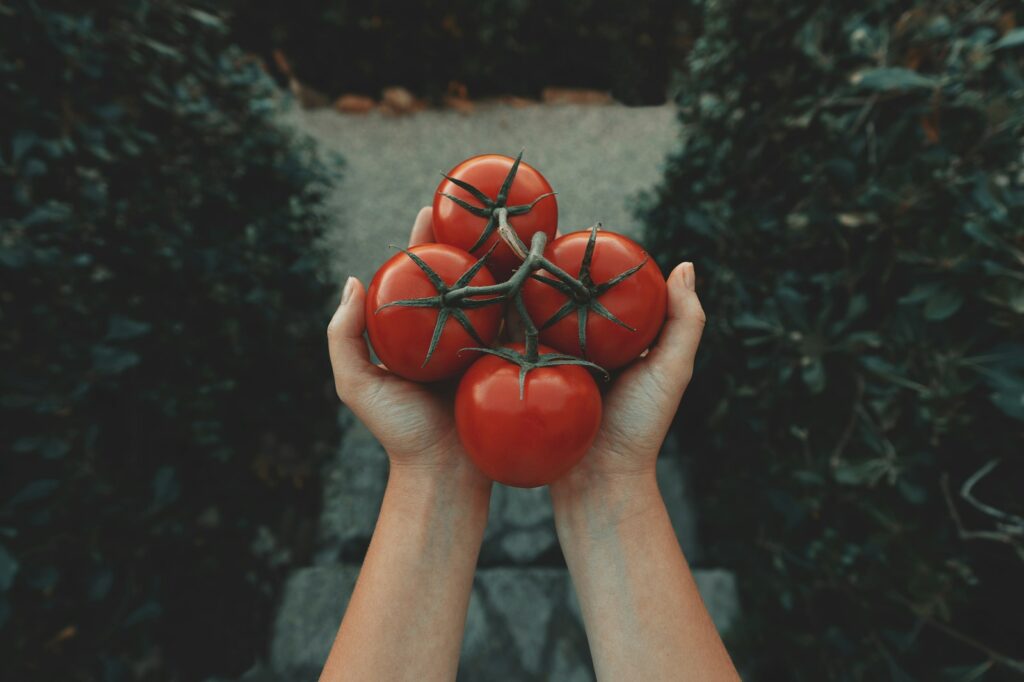
Tomatoes are known for loving the sun. Most guides say they need at least six hours of direct sunlight every day.
But if your garden has some shade, don’t give up on tomatoes just yet. There are varieties that can handle less light and still produce a tasty crop.
If you want a big harvest, aim for as much morning sun as possible. Morning light helps plants get going without the harsh afternoon heat.
Choosing the right tomato for your garden’s light can make a big difference. Sometimes, a little shade is not the end of the world.
Strict pruning schedules—many now wait for plant signals instead of fixed dates
Lots of us have followed strict pruning schedules, snipping branches on the same day every year. It always felt like the safest way to keep plants in shape.
More gardeners are now watching their plants for signs instead of the calendar. Buds swelling or new leaves popping out can be a better indicator for when to prune.
This approach means you’re less likely to cut at the wrong time. Your plants get a chance to recover quickly and grow stronger.
Letting your plants guide you makes gardening feel more natural. It’s a small shift that can lead to healthier growth.
Using chemical pesticides only—organic and integrated pest management are game changers!
Chemical sprays were once the only answer to garden pests. They promised quick results and peace of mind.
Now, gardeners are turning to organic methods and Integrated Pest Management, or IPM. These strategies use a mix of natural solutions, like beneficial insects and resistant plants.
Chemicals are only used when absolutely necessary, and even then, more carefully. This keeps your garden safer for pollinators, pets, and kids.
Organic gardening helps your soil and encourages a wider variety of helpful bugs. It’s a different way to think about pest control, but it’s catching on fast.
Planting in neat rows—mixed planting boosts soil health and pest control
Straight rows look tidy, but they aren’t always best for your garden’s health. Mixing up your vegetables and herbs can actually improve the soil.
When you plant a variety of crops together, they use nutrients in different ways. This keeps the soil healthier and less likely to get worn out.
Mixing plants also confuses pests. Bugs that love one type of plant can’t find a buffet, so you end up using fewer sprays.
A more natural layout makes your garden resilient and productive. Plus, it’s fun to see unexpected combinations growing side by side.
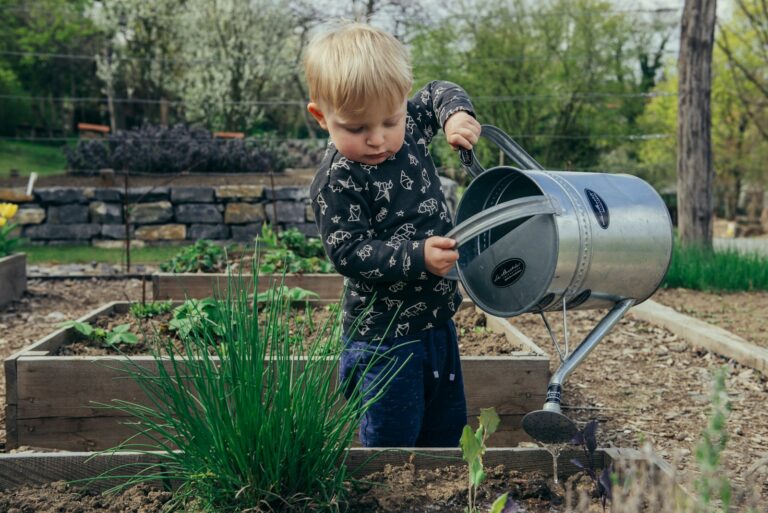
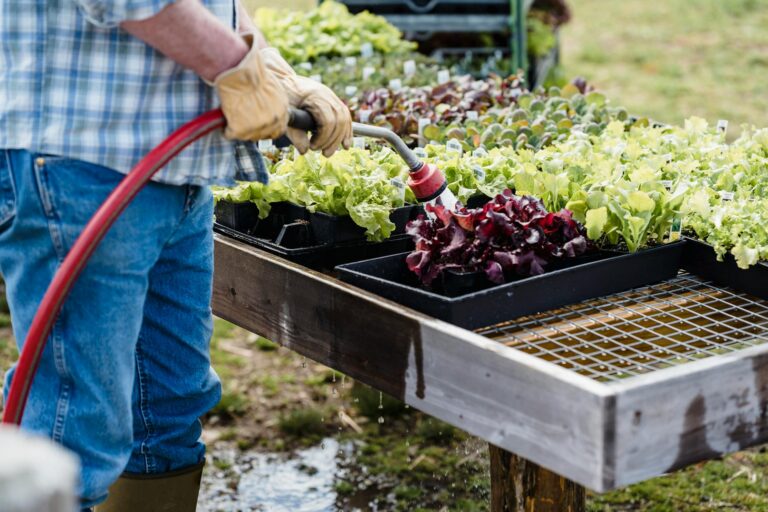
Overwatering regularly—smart watering based on weather and soil sensors saves plants!
It’s easy to think that watering every day is the best way to keep plants happy. But too much water can do more harm than good.
Overwatering stresses roots and can invite disease. The old advice to water often doesn’t always fit with today’s changing weather.
Smart watering systems now use sensors to check soil moisture and local weather. They help you water only when your plants really need it.
This tech can even send alerts to your phone or control sprinklers automatically. You end up saving water and helping your garden thrive.
Using only native plants—adding select exotics can enhance biodiversity and resilience
Native plants are great for supporting local wildlife and keeping your garden low-maintenance. They’re adapted to your climate and soil.
But adding a few carefully chosen exotic plants can make your garden more diverse and resilient. Some exotics offer food or shelter that native plants do not.
Mixing natives with well-chosen exotics creates a richer habitat and can help your garden handle changing conditions. It also adds new colors and textures to your space.
Finding the right balance lets you enjoy the best of both worlds. Your garden can be beautiful, healthy, and full of life.
Relying solely on compost—biochar and other amendments are shaking up soil care
Compost has always been a gardener’s best friend. It adds nutrients and keeps soil healthy.
Now, biochar and other amendments are joining the mix. Biochar helps soil hold water and nutrients longer, which is especially helpful during dry spells.
It also locks carbon in the soil for a long time, which is good for the environment. When you combine biochar with compost, you get even better results.
Mixing in new soil amendments can boost your garden’s health and productivity. It’s a fresh way to care for your plants from the ground up.
Fertilizing every season—timing has shifted to match plant growth stages more precisely
Fertilizing used to be as simple as adding food in spring and fall. That was the routine for years.
Gardeners are now matching fertilizer to the plant’s growth stage instead. Early spring calls for nitrogen, while summer brings a need for phosphorus.
Fall is about feeding the roots for winter. This approach means you’re giving your plants exactly what they need, when they need it.
You use less fertilizer and get better results. Your garden rewards you with healthier, more productive plants.
The Origins of Traditional Gardening Wisdom
Many gardening rules came from trial and error, passed down through generations. People shared what worked, and those tips became trusted advice.
Culture and expert opinions shaped these rules, making them a big part of how we garden today.
Why This Rule Became the Standard
Back when growing food was essential, gardeners stuck to what worked. Simple, repeatable rules helped avoid costly mistakes.
Limited tools and unpredictable weather meant people played it safe. These rules became habits, spreading quickly among friends and neighbors.
The Role of Gardening Culture and Experts
Gardening traditions grew from a mix of local culture and expert advice. Different regions developed their own methods, influenced by beliefs and available plants.
Experts, like botanists and seasoned gardeners, shared knowledge through books and talks. Their tips often became the gold standard for everyone else.
Combining culture and expert guidance made these rules feel reliable. They gave gardeners confidence and a sense of community.
Challenging Old Assumptions
New research and hands-on experience are changing how gardeners approach old rules. Science is showing that some practices, especially around soil care and planting, might need an update.
Recent Studies Shaking Things Up
Tilling is one example of a practice being reconsidered. While it was once standard, studies now show that too much tilling can harm soil structure and reduce helpful microorganisms.
No-till and low-till methods help keep soil healthy and resilient. These changes support stronger plant growth and make your garden better equipped to handle whatever the weather brings.
What Modern Gardeners Are Discovering
Maybe you’ve noticed your neighbors skipping the usual digging and turning of soil. More people are experimenting with new ways to care for their gardens.
Some gardeners are using cover crops and mulch to protect the soil. This approach keeps things more natural and less work-intensive.
Others are picking plants that actually thrive in their local climate. Choosing the right plants can make a big difference in how much water and effort you need.
Trying out these fresh ideas could make your garden easier to manage and more eco-friendly. Working with nature might even give you healthier, stronger plants.