The Great Spring Debate: Should You Start Your Garden Early or Wait?
As winter melts away and the first hints of spring emerge, gardeners everywhere feel the irresistible urge to dig into the soil and plant their beloved seeds. But as the season shifts, a debate brews among gardening enthusiasts: is it wise to start your garden early or does it invite trouble? Let’s explore the pros and cons of early spring gardening and help you decide what’s best for your garden.
Understanding the Timing
The first step in making an informed decision about early spring gardening is understanding your specific climate conditions. In North America, the USDA Plant Hardiness Zones provide a helpful guideline for when to plant. Most gardeners look for the last frost date in their area, which varies widely—ranging from late March in warmer climates to late May in cooler northern regions. Knowing this date helps determine when to start seeds indoors or sow directly outside.
Starting Seeds Indoors
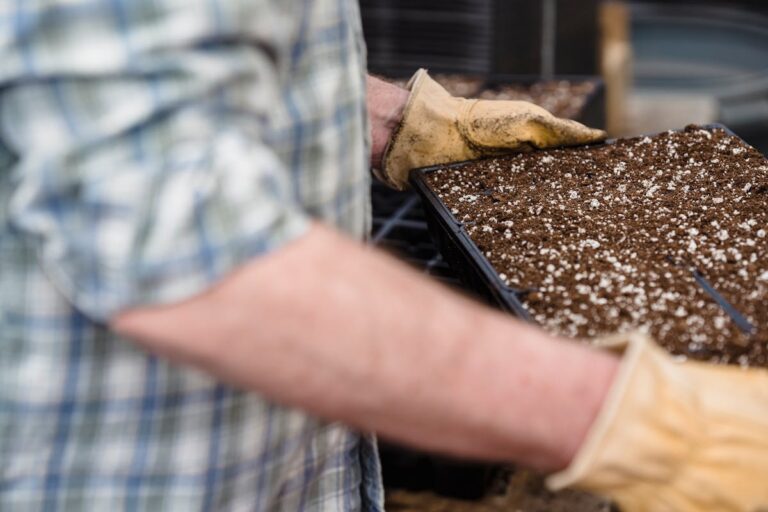
Many experienced gardeners advocate for starting seeds indoors in late winter or early spring. By giving seeds a head start, you can take advantage of the warm growing conditions indoors. This method is particularly effective for crops like tomatoes, peppers, and eggplants, which thrive in warmer temperatures but need a long growing season.
Pros:
Extended Growing Season: Starting seeds indoors can lead to earlier harvests, allowing you to enjoy fresh produce sooner.
Controlled Environment: Indoors, you can manage temperature, light, and moisture levels more effectively, leading to healthier seedlings.
Variety Availability: You may have access to a wider variety of seeds that are not typically available as transplants at local nurseries.
Cons:
Transplant Shock: Seedlings can experience shock when moved outdoors, leading to stunted growth or even death if not acclimated properly.
Space Constraints: Indoor gardening requires space and appropriate lighting, which might be a challenge for some beginners.
Pest and Disease Risk: Starting seeds indoors can increase the risk of pest infestations or diseases if not managed carefully.
When to Sow Directly Outdoors
For many crops, especially those that are hardy or can tolerate cooler temperatures (think peas, spinach, and radishes), sowing seeds directly in the garden as soon as the soil is workable is often recommended. This method eliminates the risk of transplant shock and allows the plants to acclimate naturally to their outdoor environment.
Pros:
Less Work: Direct sowing is often simpler; you plant seeds directly into the garden bed without the need for pots or trays.
Natural Growth Environment: Plants growing directly in the soil can establish deeper roots, which may lead to stronger plants.
Lower Risk of Disease: Direct sowing reduces the chance of transferring diseases from indoor environments to your garden.
Cons:
Frost Risk: Early spring can still bring unexpected frost; if you plant too soon, you risk losing your seeds or seedlings.
Delayed Germination: Cooler soil temperatures can slow down germination, leading to longer wait times for crops.
Limited Variety: Some tender crops simply cannot be sown until after the last frost date, limiting your options.
Balancing the Risks
Ultimately, the decision to plant early or wait depends on your specific circumstances and preferences. Here are some tips to help you navigate the decision-making process:
1. Know Your Zone: Familiarize yourself with your USDA zone and last frost date. This knowledge can guide your planting schedule.
2. Start with Hardier Crops: If you choose to plant early, focus on hardy varieties that can withstand cooler temperatures. This includes crops like kale, carrots, and onion sets.
3. Use Season Extenders: If you’re eager to start your garden early, consider using cloches, cold frames, or row covers to protect young plants from unexpected frost. These methods can create a mini-greenhouse effect that warms the soil and air around your plants.
4. Gradually Acclimate Seedlings: If you start seeds indoors, take the time to harden them off before transplanting. This process involves gradually introducing them to outdoor conditions to reduce transplant shock. Start by placing them outside in a sheltered location for a few hours each day and gradually increase their exposure over a week.
5. Monitor Weather Patterns: Keep an eye on local weather forecasts as your planting date approaches. If a late frost is predicted, be prepared to cover your plants or wait a few more days to plant.
Common Mistakes to Avoid
1. Planting Too Early: The eagerness to garden can lead to premature planting. Always check the soil temperature and weather patterns before committing.
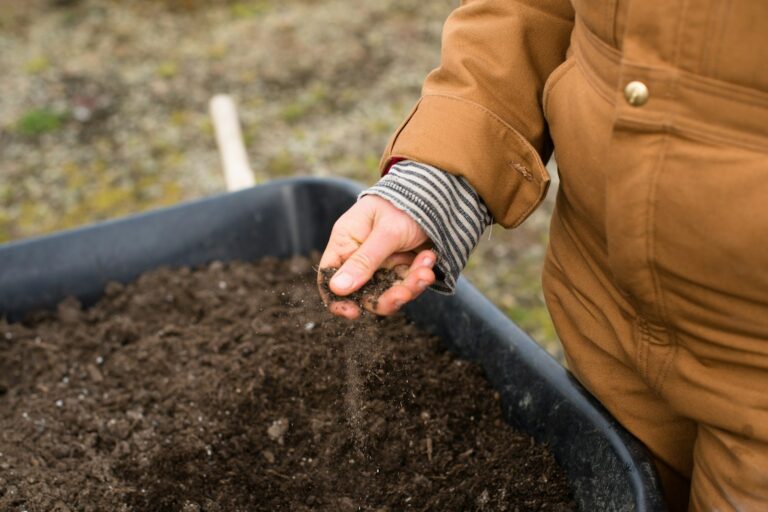
2. Neglecting Soil Health: Early spring is a great time to amend your soil with compost or fertilizer. Don’t forget to prepare your garden beds before planting to ensure healthy growth.
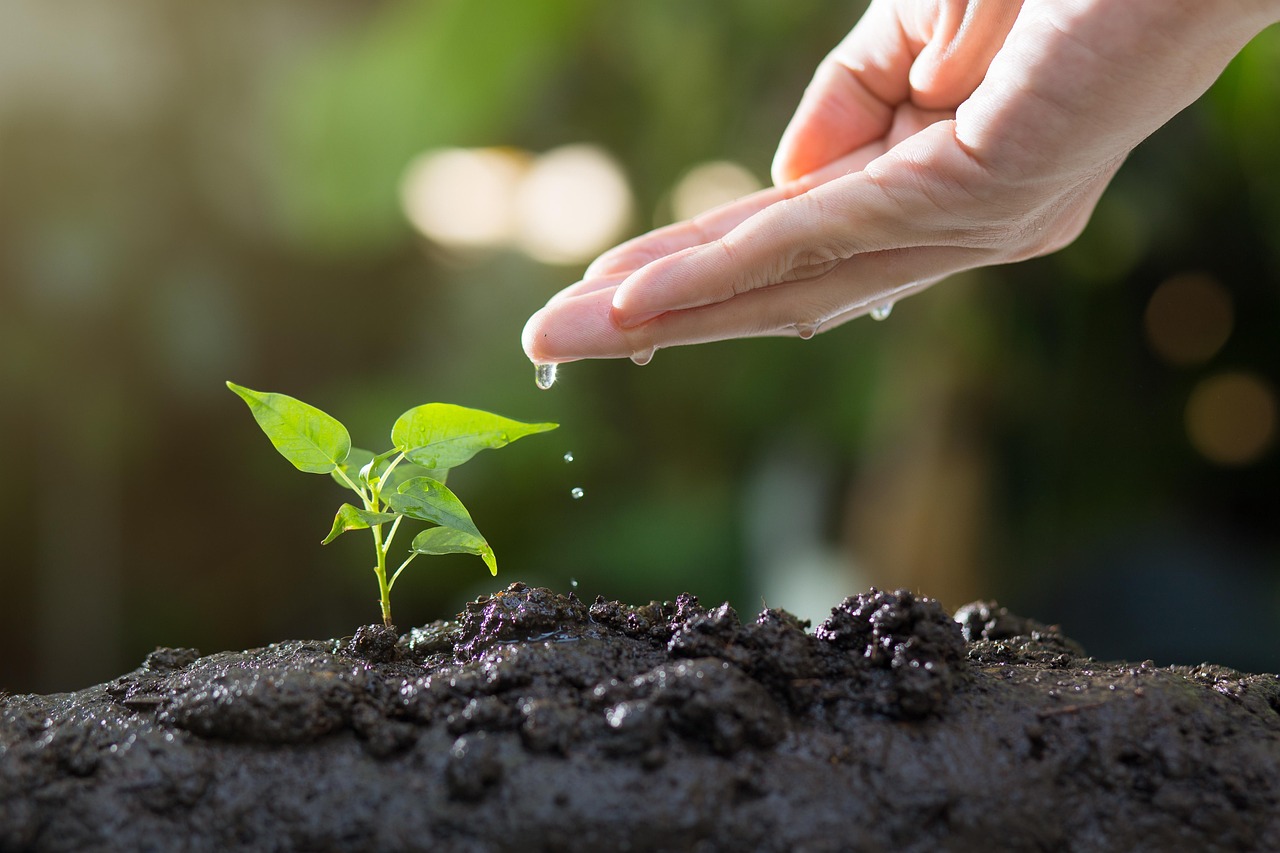
3. Skipping Watering: Newly planted seeds or transplants need consistent moisture, especially during early spring when weather can be unpredictable. Make sure to keep the soil moist but not waterlogged.
4. Ignoring Pest Management: As the weather warms, pests will start to emerge. Keep an eye out for any signs of trouble and be proactive in managing them.
In the end, whether you choose to plant early or wait a little longer, the key is to stay informed and adapt to your local conditions. Gardening is as much about patience and observation as it is about planting seeds. Embrace the learning process, and remember that every season brings new opportunities to grow and enjoy your garden!