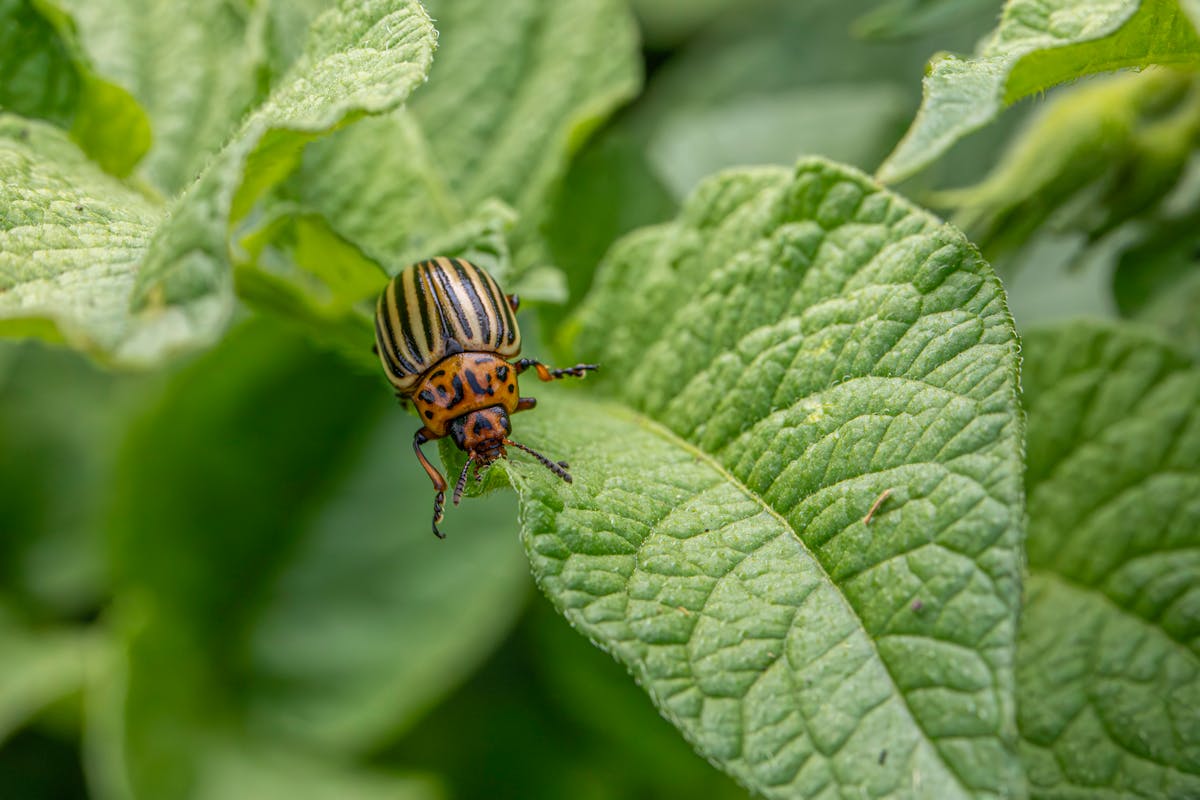
The Hidden Cost of Bargain Plants: Beware of Pest Infestations
Gardening enthusiasts know the thrill of discovering a deal on plants, whether at a local nursery, garden center, or even online marketplace. However, when a plant seems too good to be true, it often comes with hidden surprises—specifically, pests that can wreak havoc in your garden. In this article, we’ll explore why some bargain plants are infested, how to identify potential pest problems, and what you can do to protect your garden from unwanted guests.
Understanding the “Too-Good” Plant Deal
Discounts and enticing offers are part of the gardening landscape. Nurseries often mark down plants at the end of the season to clear inventory, or you might stumble upon an online sale that seems impossible to pass up. While it’s certainly possible to score a healthy plant, many of these deals come with the risk of pests or diseases that can spread to your other plants.
Why Are Bargain Plants Often Infested?
There are several reasons why some inexpensive plants might harbor pests:
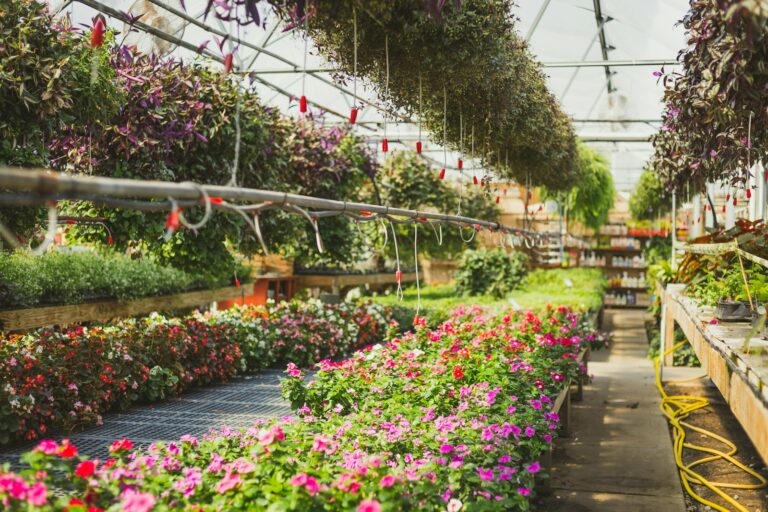
1. Overcrowding: In nurseries, plants are sometimes packed closely together, creating an environment where pests can thrive and spread easily. This is particularly true if the plants are not properly ventilated.
2. Stress and Neglect: Plants that are stressed due to poor care—like insufficient watering, inadequate light, or disease—are more susceptible to pest infestations. A stressed plant is less able to fend off bugs and diseases.
3. Seasonal Sales: Seasonal clearances may involve plants that have been on the shelf for too long, making them more vulnerable to pests that can settle in and multiply.
Identifying Pest Problems
Before bringing home that bargain plant, it’s essential to inspect it thoroughly for signs of pests. Here are some common indicators to look out for:
Visible Bugs: Check both the tops and undersides of leaves for any bugs, such as aphids, spider mites, or whiteflies. Also, look for tiny webs or clusters of insects that may signal an infestation.
Damage: Look for signs of damage, such as yellowing leaves, holes, or a sticky residue (often caused by honeydew secreted by sap-sucking insects).
Fungal Issues: Sometimes, pests can lead to fungal infections. Look for any unusual spots or powdery mildew on the leaves.
Wilting and Stunted Growth: If a plant appears wilted or is growing poorly, it may be struggling due to a pest problem.
What to Do When You Bring Home a Bargain Plant
If you’ve already purchased a plant that you suspect might be infested, don’t panic. There are several steps you can take to mitigate the risk:
1. Quarantine the Plant: Before introducing the plant to your garden, keep it isolated from other plants for at least two weeks. This allows you to monitor for any pests or diseases without putting your other plants at risk.
2. Thorough Inspection: During the quarantine period, inspect the plant carefully. Use a magnifying glass if necessary to spot small pests or eggs that may be hiding.
3. Cleaning the Plant: Wash the leaves with a gentle spray of water to dislodge any visible pests. For more serious infestations, consider using insecticidal soap or neem oil, following the instructions carefully.
4. Check for Fungal Issues: If you notice any fungal growth, remove affected leaves and treat the plant with an appropriate fungicide if necessary.
5. Monitor Regularly: Continue to monitor the plant while it’s in quarantine. If you notice any new signs of pests or disease, take immediate action.
Preventing Pest Infestations in Your Garden
To keep your garden healthy and pest-free, consider the following preventive measures:
Healthy Soil: Start with nutrient-rich soil that promotes strong plant growth. Healthy plants are more resilient to pests.
Proper Watering: Avoid overwatering, which can lead to root rot and create a breeding ground for pests. Ensure your plants have good drainage.
Companion Planting: Some plants naturally repel pests. Consider incorporating companion plants that deter insects, such as marigolds or basil.
Regular Maintenance: Regularly inspect your plants for signs of stress or pests. Early detection is key to managing potential infestations.
Use Organic Solutions: If you do encounter pests, opt for organic pest control methods whenever possible. These can be safer for beneficial insects and the environment.
When to Seek Professional Help
If you find yourself overwhelmed by a pest problem or if it seems to be getting out of hand, don’t hesitate to seek help. Local extension services can provide guidance tailored to your region, and professional pest control services can help manage severe infestations.
Final Thoughts
While the allure of bargain plants can be strong, it’s important to exercise caution. By being vigilant and taking proactive steps, you can enjoy your gardening experience without the headache of pest infestations. With the right care and attention, you can turn those good deals into flourishing plants that enhance your garden for years to come. Happy gardening!