The Hidden Danger: How One Common Mistake Can Turn Thriving Plants into Lifeless Stubs Overnight
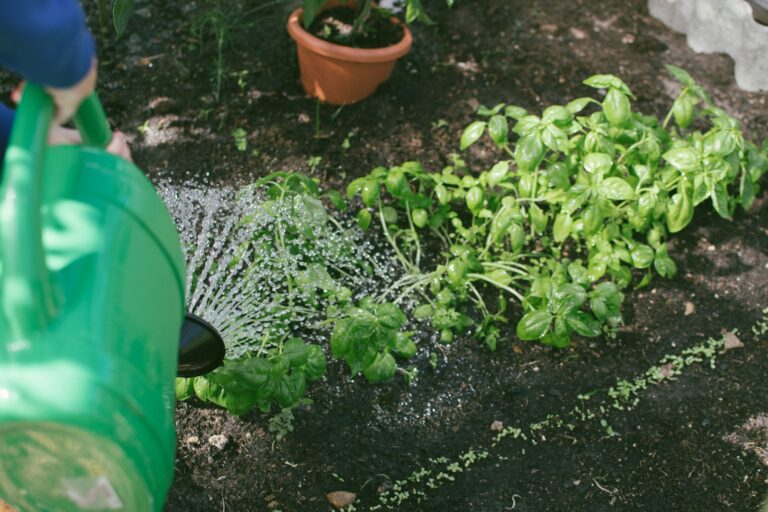
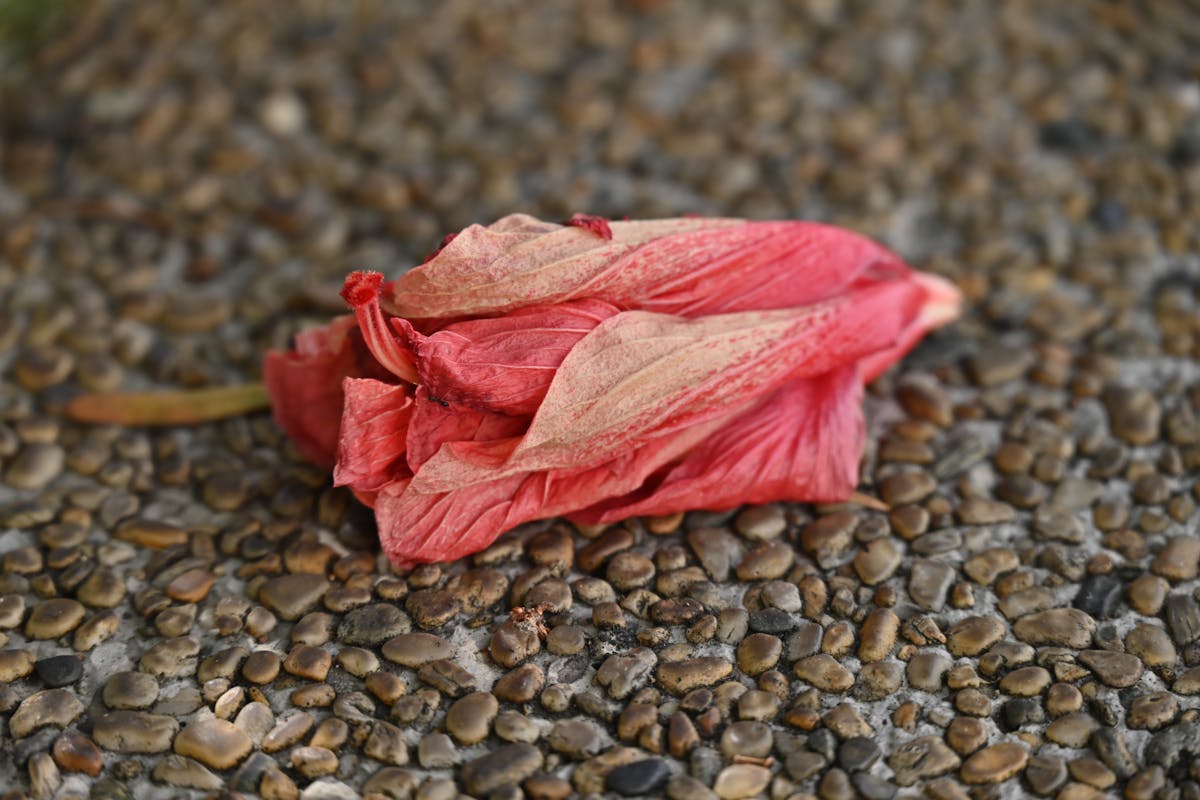
In the world of home gardening, few things are as disheartening as watching a flourishing plant suddenly wilt and die seemingly overnight. You’ve watered it, given it sunlight, and nurtured it with care, yet it still succumbs to an invisible threat. What’s the culprit behind this sudden demise? Often, it boils down to one common mistake: overwatering.
Understanding Overwatering
Overwatering is the leading cause of plant death, and it can feel counterintuitive for many gardeners. After all, isn’t water essential for life? Indeed, it is, but like many things in gardening, balance is key. When plants receive too much water, their roots can suffocate, leading to a host of issues, including root rot, fungal infections, and ultimately, death.
Signs of Overwatering
Identifying the signs of overwatering is the first step in preventing your plants from becoming “dead overnight.” Look for the following indicators:
1. Wilting Leaves: This may seem strange, as wilting is often associated with drought, but overwatered plants can also exhibit this symptom. Leaves may droop and lose their firmness, appearing lifeless despite being drenched.
2. Yellowing Leaves: If your plant’s leaves are turning yellow, it could be a sign of too much water. Healthy green leaves should be your goal, and any shift to yellow can indicate stress.
3. Root Rot: If you notice a foul smell coming from the soil or see black, mushy roots when you remove the plant from its pot, you are likely dealing with root rot. This is a severe condition that can kill your plant quickly.
4. Mold or Fungus: The presence of mold on the surface of the soil or fungus gnats flying around your pot can also signal overwatering. These pests thrive in moist conditions and indicate that the soil is too wet.
Tips to Prevent Overwatering
Preventing overwatering is essential for maintaining healthy plants. Here are some practical tips to keep your watering habits in check:
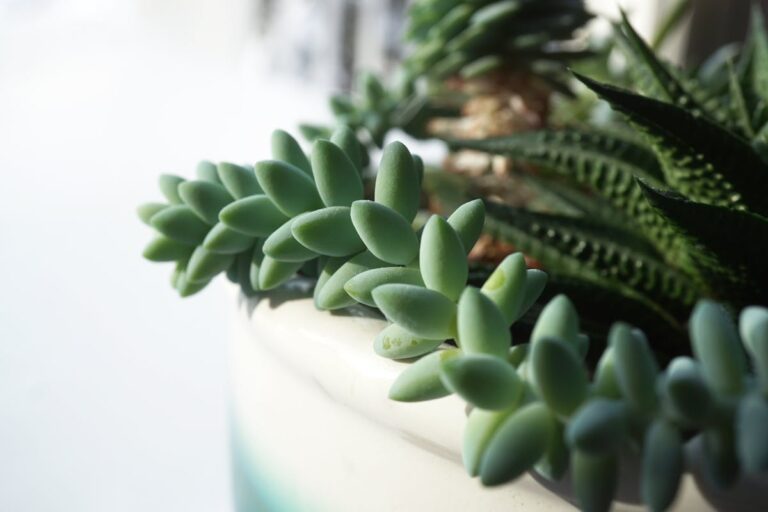
1. Know Your Plant’s Needs: Different plants have varying water requirements. For example, succulents and cacti thrive in dry conditions, while ferns prefer consistently moist soil. Research your specific plants and adjust your watering schedule accordingly.
2. Check Soil Moisture: Before watering, always check the moisture level of your soil. You can do this by sticking your finger about an inch into the soil. If it feels dry at that depth, it’s time to water. If it’s still damp, wait a few days.
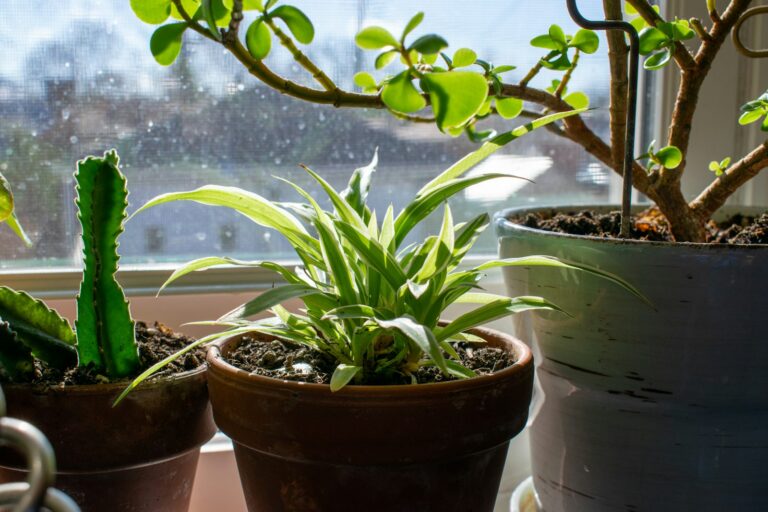
3. Use Proper Drainage: Ensure that your pots have adequate drainage holes. This allows excess water to escape, preventing water from pooling at the bottom and suffocating the roots. If you’re planting in the ground, make sure the soil drains well and isn’t prone to becoming waterlogged.
4. Water Deeply, But Infrequently: When you do water, aim to give your plants a deep drink rather than frequent shallow watering. This encourages roots to grow deeper into the soil, promoting a more robust plant.
5. Consider the Environment: Weather conditions play a significant role in how much water your plants need. During hot, dry spells, you might need to water more frequently, while cooler, rainy periods may require less. Be attentive to the changing seasons and adjust your watering accordingly.
6. Use Mulch: Applying a layer of mulch around your plants can help retain moisture while preventing excess water from saturating the soil. Organic mulches, like wood chips or straw, can also improve soil quality as they break down.
7. Select the Right Soil: Choosing the right potting mix is crucial. For plants prone to overwatering, look for soil that drains well. You can also amend your soil with perlite or sand to improve drainage.
When to Seek Help
If you suspect that your plants are suffering from overwatering and you have tried adjusting your care routine with no improvement, it may be time to consult local gardening experts. Many communities offer extension services or gardening clubs where you can ask for advice tailored to your specific region and plant types. They can provide insights that are particularly relevant to your USDA zone and local climate conditions.
Seasonal Considerations
As you prepare for the changing seasons, be aware that your watering needs will fluctuate. In North America, the first frost can vary by region, but typically occurs between late September and early November. As temperatures drop, plants enter a dormant phase and require less water. Adjust your watering schedule accordingly, and be cautious of overwatering during this time.
Remember, gardening is a learning process, and even experienced gardeners make mistakes. By understanding the signs of overwatering and taking preventive measures, you can keep your plants healthy and thriving. Your garden is a living ecosystem, and with a little patience and care, you can avoid the heartbreak of watching your plants turn to lifeless stubs overnight. Happy gardening!