The Hidden Dangers of Over-Fertilizing: Protect Your Plant Roots
Fertilization is a cornerstone of successful gardening, often seen as the secret sauce that helps plants thrive. However, many gardeners, especially beginners, may not realize that excessive or improper fertilization can do more harm than good. In fact, one common practice can burn plant roots faster than you might think. Let’s delve into this issue and explore how to effectively fertilize your garden without risking damage to your plants.
Understanding Fertilizer Basics
Before we discuss the dangers of over-fertilization, it’s essential to understand what fertilizers do. Fertilizers provide essential nutrients that plants need to grow, including nitrogen, phosphorus, and potassium, often referred to as N-P-K. These nutrients support various growth functions, such as leaf development, root growth, and flower production.
However, plants also require a balanced environment to absorb these nutrients effectively. Over-fertilization can disrupt this balance, leading to root burn, nutrient lockout, and other detrimental effects.
The Risks of Over-Fertilization
One of the most common mistakes gardeners make is applying too much fertilizer at once. When fertilizer is concentrated in the soil, it raises the salinity levels, which can lead to root burn. This condition occurs when the roots lose moisture due to the high concentration of salts, effectively dehydrating and damaging them. Symptoms of root burn include wilting leaves, browning leaf edges, and stunted growth.
Another issue arises when gardeners use fast-release fertilizers without fully understanding how their plants will respond. These fertilizers can provide a quick nutrient boost, but when applied in excess, they can overwhelm the plant’s ability to take up nutrients, leading to nutrient lockout. This occurs when an excess of one nutrient can interfere with the absorption of others, creating deficiencies that can affect overall plant health.
Timing is Everything
Fertilizer application timing is crucial in preventing root burn and maximizing nutrient uptake. For most North American gardeners, the growing season typically begins in spring and extends through early fall, depending on your USDA hardiness zone.
A good rule of thumb is to apply fertilizers in early spring, just as your plants are waking up from dormancy. This timing allows the nutrients to be available when the plants need them most. If you missed the spring window, consider a mid-summer application, but avoid fertilizing in late summer or fall, as this can encourage new growth that may be damaged by the first frost.
Choosing the Right Fertilizer
When selecting fertilizer, consider using slow-release options. These fertilizers gradually break down over time, supplying nutrients as the plants need them. This method minimizes the risk of root burn and nutrient lockout compared to fast-release formulas.
Additionally, organic fertilizers can be a safer alternative for beginners. They tend to be less concentrated and release nutrients more slowly, reducing the likelihood of over-fertilization. Common organic options include compost, well-rotted manure, and fish emulsion.
Proper Application Techniques
How you apply fertilizer can significantly influence its effectiveness and safety. Here are some tips to keep in mind:
1. Read the Instructions: Always follow the manufacturer’s directions regarding application rates. Overestimating the amount can lead to serious issues.
2. Dilution is Key: If using a liquid fertilizer, dilute it according to the package instructions. This helps prevent concentrated exposure to the roots.
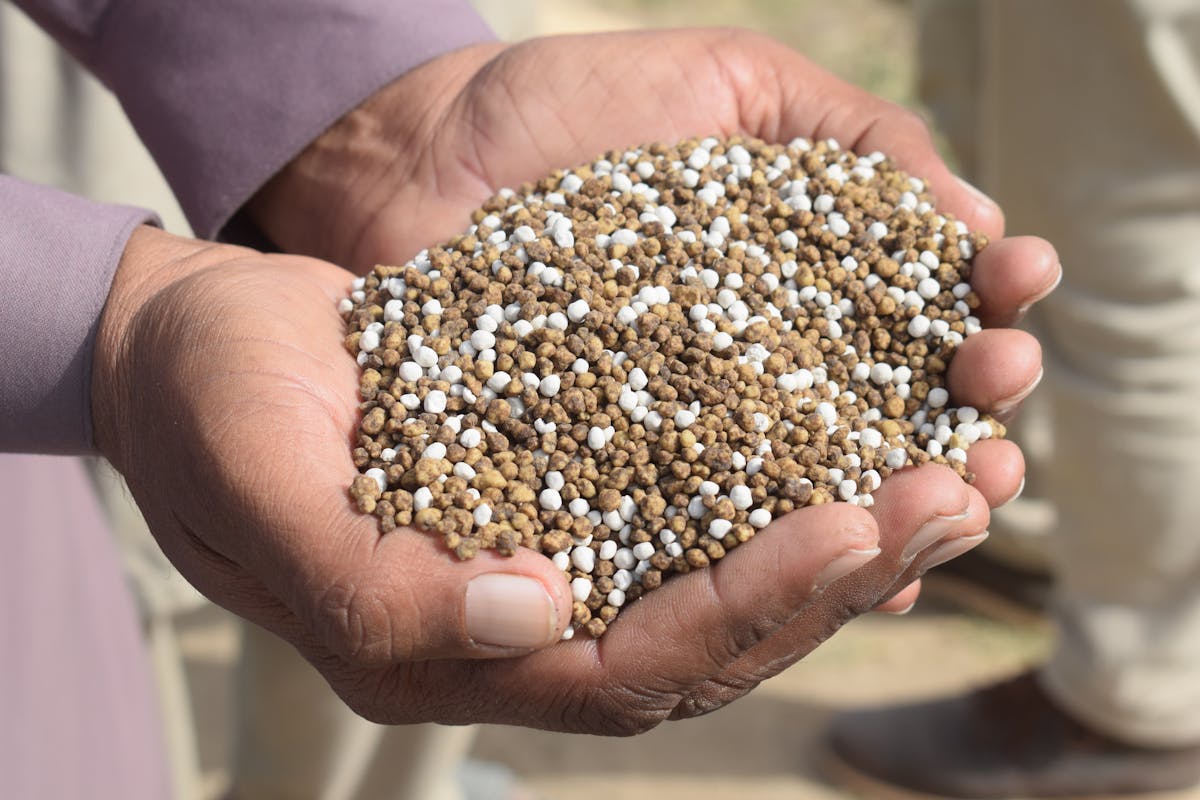
3. Avoid Direct Contact: When applying granular fertilizers, keep them away from the base of the plants. Instead, spread the fertilizer evenly over the soil and then water it in. This practice reduces the risk of burning roots.
4. Test Your Soil: Conducting a soil test can give you valuable insights into the nutrient content of your soil. This information allows you to tailor your fertilization strategy, ensuring that you’re not adding unnecessary nutrients.
5. Monitor Plant Response: After fertilization, observe your plants for signs of stress or nutrient deficiency. Adjust your fertilization practices as needed based on their response.
Common Fertilizer Mistakes to Avoid
Even seasoned gardeners can fall into traps when it comes to fertilization. Here are some common mistakes to steer clear of:
Fertilizing When Plants Are Dormant: Applying fertilizer during dormancy (late fall and winter) is futile and can harm plants. Wait until they start to grow in spring.
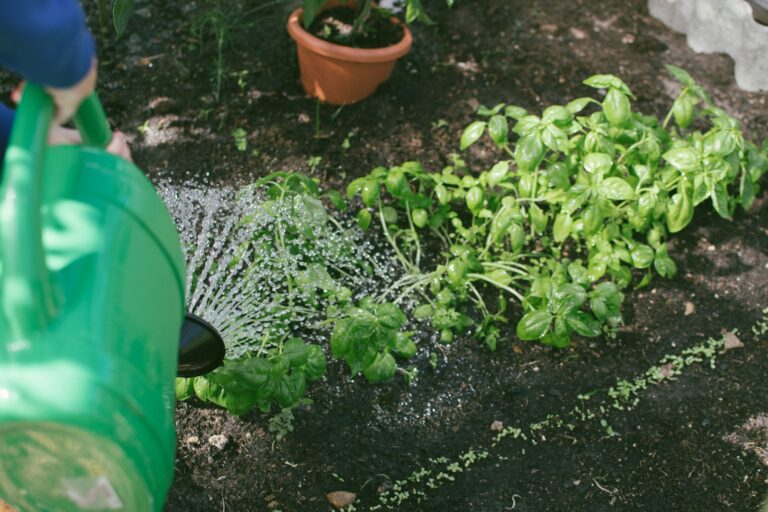
Ignoring Water Needs: Watering before and after fertilizing is crucial. Dry soil can lead to fertilizer burn, while over-watering can wash away nutrients.
Using the Same Amount for All Plants: Different plants have varied nutrient needs. Tailor your fertilizer choice and amount to the specific plants you are growing.
Neglecting Organic Matter: Incorporating organic matter, such as compost, into your soil not only improves soil structure but also enhances nutrient retention, reducing the need for chemical fertilizers.
Incorporating These Practices
As you embark on your gardening journey, remember that less can often be more when it comes to fertilization. By understanding the risks associated with over-fertilizing and adopting appropriate practices, you can foster a healthy growing environment that supports robust plant growth. With these tips in mind, you’ll safeguard your plants’ roots and ensure a thriving garden for seasons to come. Happy gardening!