The Hidden Dangers of Overwatering: A Common Gardening Mistake You Might Be Making
Overwatering is one of the most common gardening pitfalls, especially for beginners. While it may seem like a harmless habit—after all, plants need water to thrive—giving them too much can lead to serious problems. In this article, we’ll explore how this seemingly innocent practice can hurt your plants and what steps you can take to establish a healthier watering routine.
Understanding the Basics of Watering
Before delving into the pitfalls of overwatering, it’s essential to understand how plants absorb water and nutrients. Plants take in water through their roots, which then transport it to the leaves for photosynthesis. The right amount of water is crucial for maintaining healthy foliage, promoting root development, and encouraging flowering and fruiting.
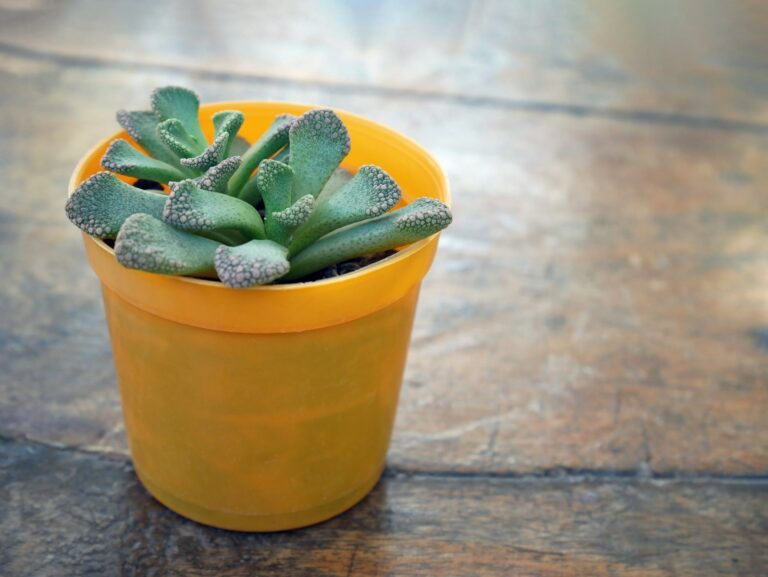
However, not all plants have the same water requirements. Factors such as species, soil type, and environmental conditions play a significant role in determining how much water your plants need. For example, succulents or drought-tolerant plants thrive on minimal water, while tropical plants may require consistently moist soil.
The Dangers of Overwatering
Many gardeners, particularly those new to the hobby, mistakenly believe that more water equates to healthier plants. Unfortunately, overwatering can lead to several detrimental effects:
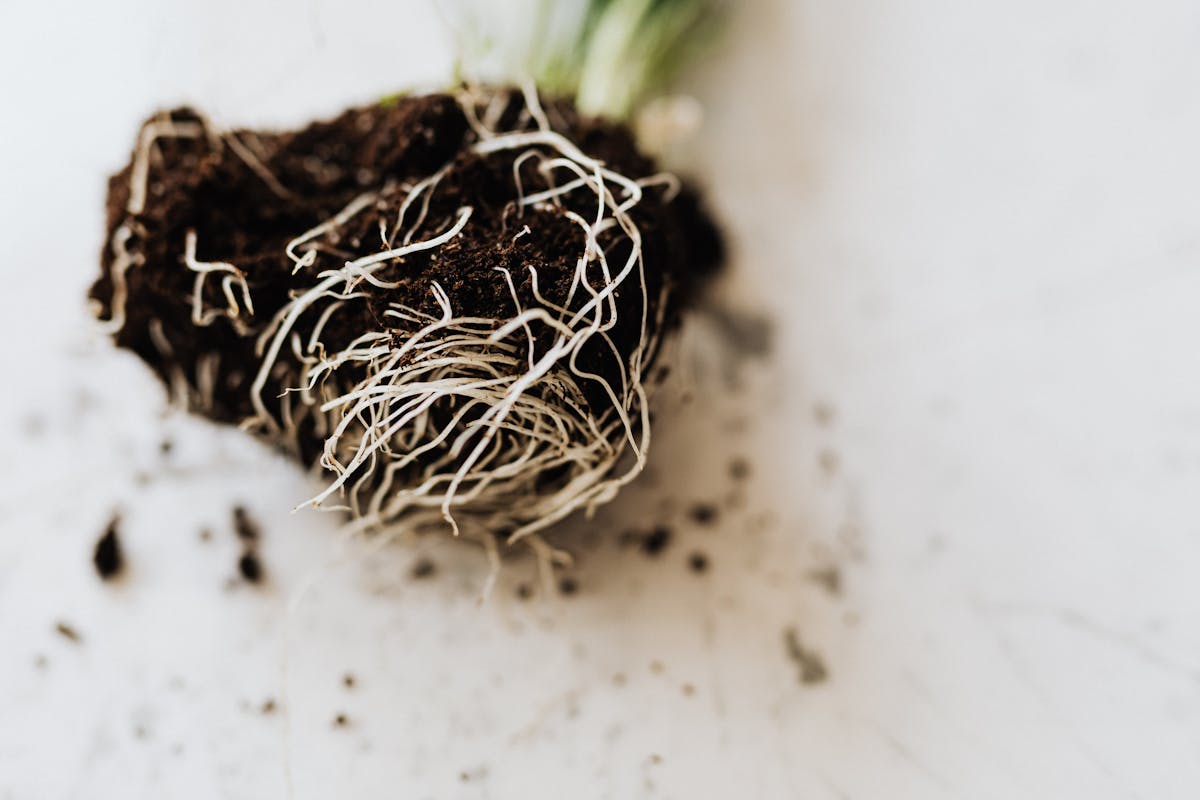
1. Root Rot: One of the most severe consequences of overwatering is root rot, a condition caused by excess moisture in the soil. When roots sit in waterlogged soil, they become oxygen-starved, leading to decay. Signs of root rot include yellowing leaves, wilting, and a foul odor emanating from the soil.
2. Nutrient Deficiency: Overly wet soil can leach essential nutrients away from plant roots, depriving them of the nutrients they need to thrive. This can result in stunted growth and poor plant health.
3. Pest Infestation: Wet conditions are a breeding ground for pests and diseases, such as fungus gnats and mold. These pests can harm your plants and further complicate your gardening efforts.
4. Wilting Leaves: Ironically, overwatered plants may also exhibit wilting leaves. This occurs because the roots are damaged and unable to take up water effectively, resulting in a lack of hydration despite the excess water in the soil.
Establishing a Healthy Watering Routine
To avoid the pitfalls of overwatering, establishing a healthy watering routine is essential. Here are some practical tips:
1. Know Your Plants: Research the specific water needs of the plants in your garden. Different species have varying requirements, so familiarize yourself with the needs of each plant to tailor your watering approach.
2. Check Soil Moisture: Before watering, check the moisture level in the soil. Stick your finger about an inch into the soil—if it feels dry, it’s time to water. If it’s still moist, wait a day or two before checking again. For a more accurate measure, consider investing in a soil moisture meter.
3. Water Deeply but Infrequently: Instead of frequent shallow watering, aim to water deeply but less often. This encourages roots to grow deeper into the soil, making them more resilient to drought conditions. As a general rule, aim to water once a week, adjusting based on weather conditions and the needs of your plants.
4. Mulch for Moisture Retention: Applying a layer of mulch around your plants can help retain soil moisture, reducing the frequency of watering. Organic mulches, such as wood chips or straw, also improve soil quality as they decompose.
5. Use Well-Draining Soil: Ensure your soil has excellent drainage to prevent water from pooling around the roots. Mixing in perlite or sand can enhance drainage, especially for plants that prefer drier conditions.
6. Choose the Right Time: Watering in the early morning or late afternoon is ideal, as it allows the moisture to soak into the soil before the heat of the day causes evaporation. Avoid watering during the hottest parts of the day or late in the evening, which can encourage fungal diseases.
Recognizing the Signs of Overwatering
Being vigilant about your plants’ health is crucial. Look for signs of overwatering, such as yellowing leaves, wilting, or a mushy stem. If you suspect overwatering, take immediate action by allowing the soil to dry out and adjusting your watering schedule moving forward.
In some cases, you may need to repot your plant into fresh, dry soil to help alleviate root rot or other issues caused by excess moisture. Trim away any dead or mushy roots to promote healthy growth.
Balancing Act: Watering and Environment
Remember that environmental factors play a significant role in how much water your plants need. Hot, dry weather may require more frequent watering, while cooler, rainy periods may necessitate less. Always observe your plants and adapt your routine accordingly.
As you continue your gardening journey, remember that moderation is key. Developing a keen sense of your plants’ needs and the specific conditions of your garden will help you avoid the common mistake of overwatering. With patience and practice, your plants will flourish, and your garden will thrive.
By being mindful of your watering habits, you can cultivate a vibrant and healthy garden that brings you joy season after season. Happy gardening!