The Hidden Houseplant Mistake That Could Be Hurting Your Greenery
Many of us take great pride in our houseplants, nurturing them with love and care. Yet, despite our best efforts, many houseplant enthusiasts unknowingly commit a common mistake that can hinder their plants’ growth and overall health. In this article, we’ll explore this hidden houseplant error, why it matters, and how to correct it for thriving indoor greenery.
UNDERWATERING VS. OVERWATERING: TREADING THE FINE LINE
Before we dive into the most common mistake, it’s essential to understand the delicate balance between underwatering and overwatering. While these two issues are often discussed, many gardeners don’t realize that the real underlying problem may not just be how much water they give their plants, but rather how they assess their plants’ watering needs.
It’s easy to fall into the trap of watering on a fixed schedule—perhaps every week without fail. However, this approach can lead to either underwatering or overwatering, depending on the specific needs of the plant and the environmental conditions. The most common houseplant mistake people make is not properly assessing their plants’ individual needs, leading to inconsistent watering practices.
UNDERSTANDING YOUR PLANT’S NEEDS
Different plants have varying water requirements, and even within the same species, individual plants can have different needs based on their health, pot size, and the environment they’re in. For example, a pothos plant may thrive in a humid bathroom, needing less water than the same plant in a sunny, dry living room. Similarly, succulents require significantly less water than tropical plants like ferns.
To avoid the common mistake of misjudging your plant’s needs, try these practical tips:
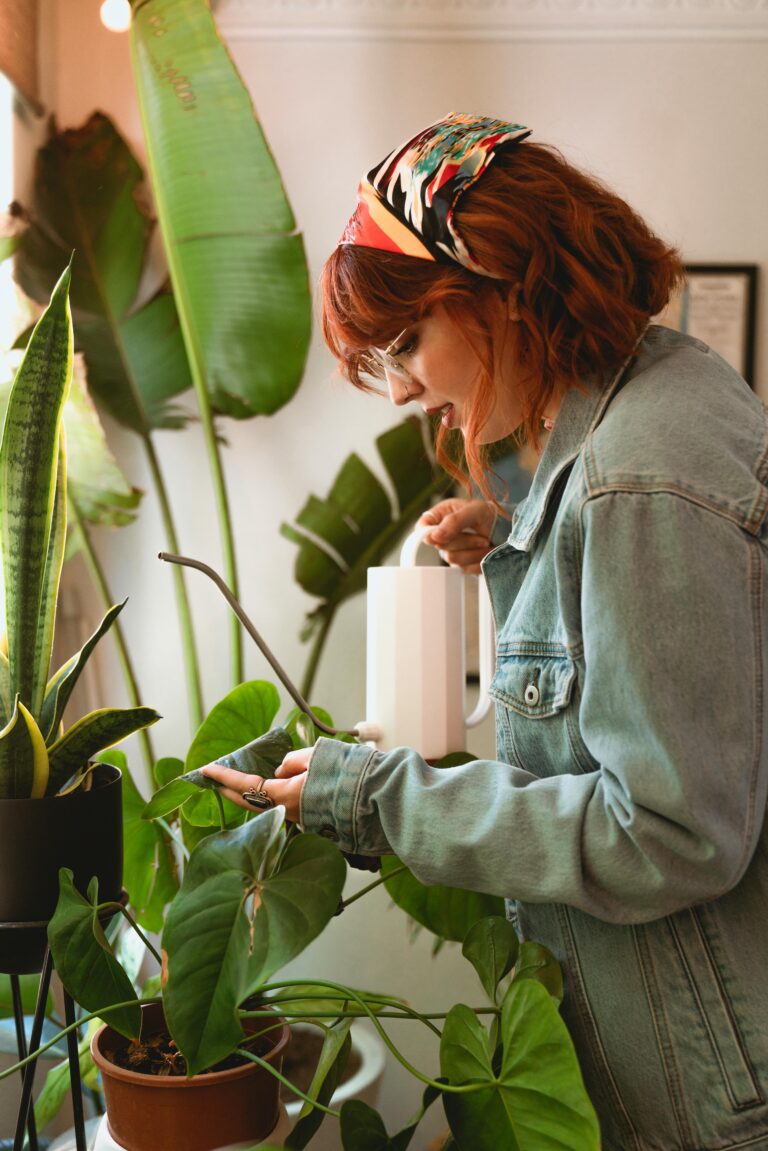
1. Check the Soil: Instead of sticking to a strict watering schedule, check the top inch or two of soil. If it feels dry, it’s time to water; if it’s still moist, wait a few days before checking again.
2. Observe Your Plant: Pay attention to your plant’s appearance. Droopy leaves or yellowing can indicate both underwatering and overwatering. Learning to read these signals will help you adjust your watering habits accordingly.
3. Consider the Season: Plants typically need more water during their growing season (spring and summer) and less during dormancy (fall and winter). Adjust your watering routine seasonally to match your plant’s growth cycle.
THE ROLE OF POT SIZE AND DRAINAGE
Another aspect of the common watering mistake is the choice of pot size and drainage. Using a pot that is too large can lead to excess soil retaining moisture, which may cause root rot. Conversely, a pot that is too small can dry out quickly, leaving your plant thirsty.
To remedy this issue:
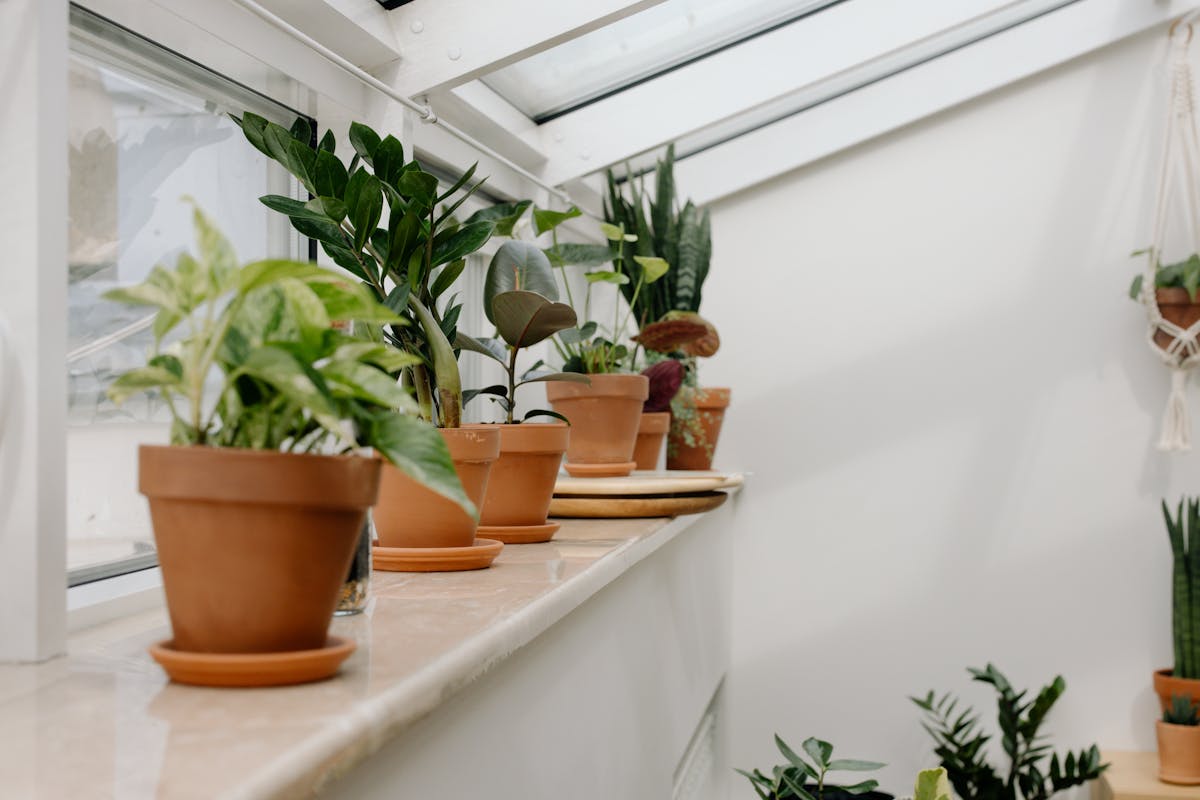
Choose the Right Pot: Ensure that your pot has adequate drainage holes. This allows excess water to escape, preventing soggy soil.
Repot When Necessary: If your plant has outgrown its current pot or is showing signs of stress, consider repotting it into a larger container with fresh soil.
Use Well-Draining Soil: Select a potting mix that suits your plant’s needs. Cactus and succulent mixes drain quickly, while moisture-retaining soil is suitable for tropical plants.
MAINTAINING IDEAL ENVIRONMENTAL CONDITIONS
Houseplants not only require the right amount of water but also thrive in specific environmental conditions. Factors like light, temperature, and humidity can dramatically affect a plant’s health.
1. Light: Ensure your plant is getting the appropriate amount of light for its species. Some plants prefer bright, indirect light, while others thrive in low light. If you notice your plant stretching towards the light or losing its vibrant color, it may be time to adjust its position.
2. Temperature: Most houseplants prefer temperatures between 65°F and 75°F. Avoid placing them near drafts, heaters, or air conditioners, as temperature fluctuations can stress the plant.
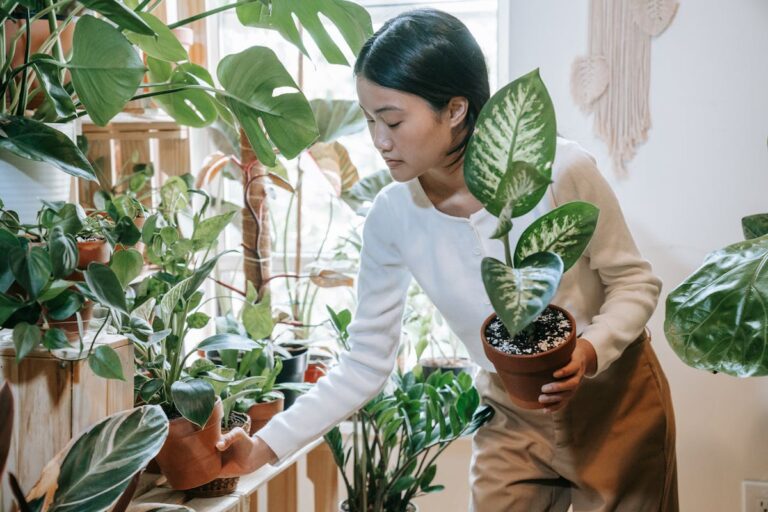
3. Humidity: Many tropical plants appreciate higher humidity levels. Consider using a humidity tray or a humidifier if you live in a particularly dry climate. Grouping plants together can also help create a microclimate that retains moisture.
A COMMON MISTAKE: NOT ADAPTING TO CHANGE
Houseplants are dynamic organisms that can change their needs based on their environment. A common mistake is failing to adapt care practices when there is a change in seasons, location, or even after repotting.
Here are a few situations to consider:
Seasonal Changes: As mentioned earlier, plants need different care during their growing season versus their dormant phase. Be prepared to adjust your watering schedule accordingly.
Relocating Plants: If you’ve moved your plant to a different room or environment, monitor it closely for the first few weeks. It may need more or less water based on its new surroundings.
Repotting: After repotting, plants can be sensitive and may require a different watering schedule as they acclimate to their new soil and container.
BECOMING AWARE OF YOUR PLANT’S RESPONSES
Ultimately, improving your houseplant care comes down to becoming more aware of how your plants respond to their environment. Regular observation can help you catch problems early and adjust your care routine as needed.
Engaging with your plants on a more personal level will not only help you avoid common mistakes but also foster a deeper connection to your indoor garden. Each plant is unique, and learning to cater to their specific needs will lead to a flourishing collection that brings life and joy into your home.
By taking the time to understand your plants and their individual needs, you’ll be well on your way to becoming a more confident and successful indoor gardener.