The Hidden Pitfalls of “Beginner-Friendly” Plants: What Every New Gardener Should Know
Gardening can be an incredibly rewarding hobby, but for beginners, choosing the right plants is crucial to avoiding frustration and disappointment. Many resources tout certain plants as “beginner-friendly,” but these recommendations can sometimes lead novice gardeners down a path of failure. Understanding why these plants may not be the best choices for your garden can help you make better decisions and enjoy a more successful gardening experience.
Misleading Labels: What Does “Beginner-Friendly” Really Mean?
The term “beginner-friendly” is often used to describe plants that are perceived as low-maintenance or resilient. However, this label can be misleading. Plants that thrive in one environment may struggle in another, and what is easy for one gardener may not be easy for another. For example, while succulents are often recommended for beginners due to their drought tolerance, they can quickly rot in humid climates or if overwatered—common mistakes for new gardeners.
Additionally, some plants labeled as beginner-friendly may still require specific care conditions that beginners might overlook. For instance, many herbs like basil and cilantro can be easy to grow, but they also need ample sunlight and well-drained soil. If a gardener places them in a shaded area or overwater them, they’ll quickly face disappointment.
The Importance of Understanding Your Environment
Before choosing any plant, it’s crucial to assess your gardening environment. Here are some factors to consider:
1. Climate and USDA Zones: Different plants thrive in different climate zones. Understanding your USDA zone will help you select plants that are well-suited to your local climate.
2. Sunlight Exposure: Evaluate how much sunlight your garden receives throughout the day. Many “easy” plants require full sun, while others prefer partial shade. Failing to match a plant’s sunlight needs with your garden conditions can lead to poor growth.
3. Soil Type: Know whether your soil is sandy, clayey, or loamy. Certain plants prefer specific soil types, and neglecting this factor can lead to inadequate nutrient absorption and stunted growth.
4. Watering Needs: Some beginner-friendly plants may be marketed as drought-tolerant, yet they still require regular watering, especially during establishment. New gardeners may assume these plants need minimal care, leading to under-watering and plant stress.
Common Beginner Mistakes
Even with the best intentions, beginners often make mistakes that can hinder their gardening success. Here are some pitfalls to avoid:
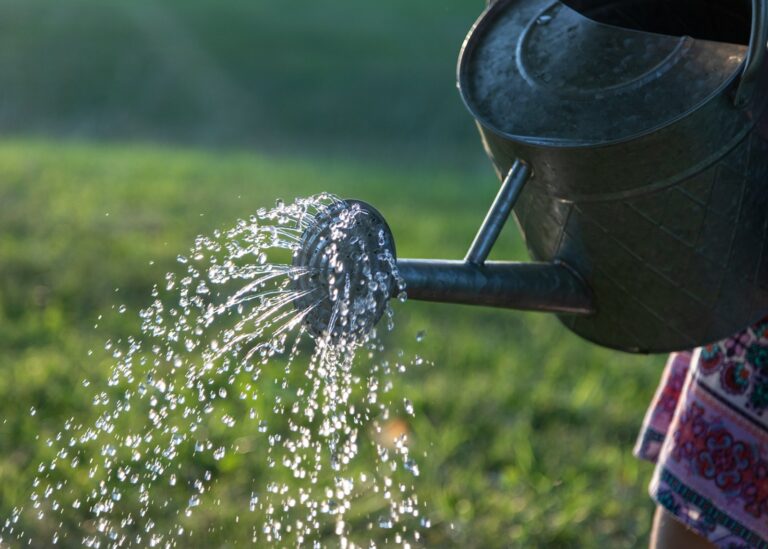
1. Overwatering: One of the most common mistakes is overwatering. Many new gardeners believe that more water is better. However, overwatering can lead to root rot, especially in plants labeled as low-maintenance. Always check the soil moisture before watering.
2. Ignoring Pest Management: While some plants are hardy, they can still fall prey to pests. New gardeners often overlook signs of pest damage, thinking their plants are invincible. Regularly inspect your plants for signs of distress and learn about common pests in your area.
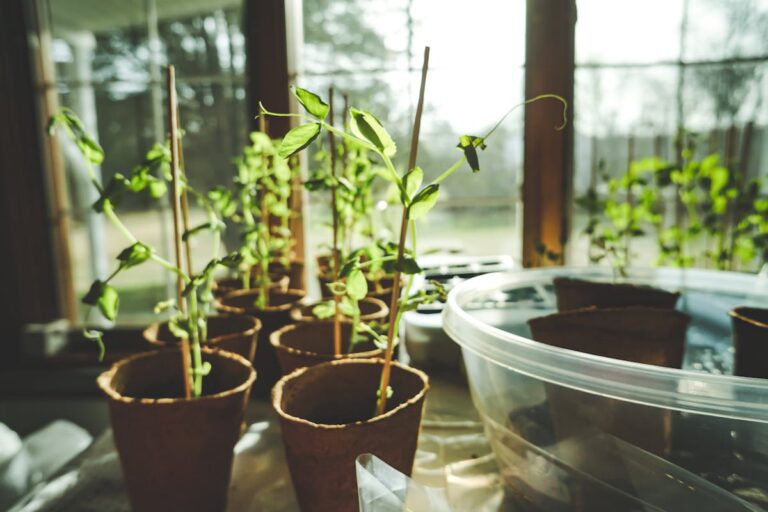
3. Neglecting Seasonal Changes: Many beginners forget that gardening is not a one-time effort. Seasonal changes can significantly impact plant growth. Understanding when to plant, prune, or harvest is crucial. For example, many annuals should be started indoors before the last frost in spring for optimal growth.
4. Choosing the Wrong Varieties: Even within a “beginner-friendly” category, some plant varieties may be more challenging than others. For example, some tomato varieties are easier to grow than others. Researching specific cultivars can make a significant difference in your success.
Choosing Alternatives: Better Plant Options for Beginners
Instead of solely relying on the “beginner-friendly” label, consider these alternative plants that are more likely to thrive in various conditions and are generally forgiving for new gardeners:
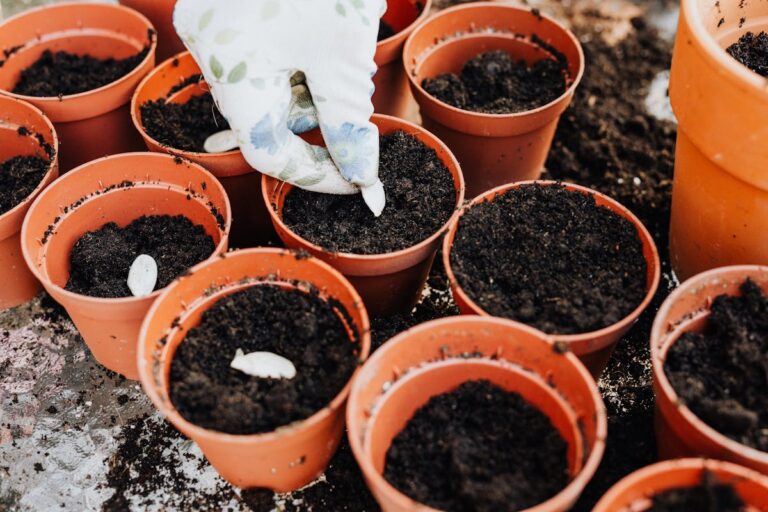
1. Zinnias: These colorful annuals are not only beautiful but also easy to grow from seed. They thrive in full sun and require minimal care.
2. Marigolds: Known for their pest-repelling properties, marigolds are resilient and can bloom all summer long with minimal attention.
3. Daylilies: Perennial daylilies are hardy and can tolerate a variety of soil conditions. They require little maintenance once established and produce stunning blooms.
4. Herbs: Instead of the typical basil, consider growing hardy herbs like chives or mint, which are resilient and can thrive in less-than-perfect conditions.
5. Native Plants: Incorporating native plants into your garden can also be a smart choice. These species are adapted to your local climate and typically require less water and maintenance.
Gardening as a Journey
Gardening is a journey filled with learning opportunities. While it’s great to start with plants that are deemed beginner-friendly, it’s essential to approach gardening with a mindset of growth and adaptability. Take the time to research your specific conditions, understand the needs of your plants, and don’t hesitate to ask for help from local gardening communities.
Remember that even the most experienced gardeners have had their share of failures. Learning from mistakes is part of the process, and with patience and practice, you can cultivate a thriving garden that brings joy and satisfaction for years to come.