The Hidden Risks of Bottom-Watering Your Plants: What Every Gardener Should Know
Watering plants is a fundamental aspect of gardening, and while bottom-watering is a popular technique touted for its ability to deliver moisture directly to the roots, it’s not without its pitfalls. For some plants, bottom-watering can actually backfire, leading to issues that could hinder their growth. In this article, we’ll explore why bottom-watering may not be the best choice for every plant, how to recognize when it might be causing harm, and what alternative methods can help keep your plants healthy and thriving.
Understanding Bottom-Watering
Bottom-watering involves placing your plant pot in a container of water, allowing the soil to absorb moisture from the bottom up. This method is often praised for promoting healthy root growth and preventing overwatering, as the soil can draw only as much water as it needs. However, not all plants respond well to this technique.
When Bottom-Watering Backfires
1. Poor Drainage: One of the primary reasons bottom-watering can backfire is inadequate drainage in the pot. If the pot lacks drainage holes or if they are clogged, the soil can become waterlogged. This excess moisture can lead to root rot, a condition where roots decay due to lack of oxygen and fungal infections. Plants susceptible to root rot, such as succulents and many tropical species, can particularly suffer from this method.
2. Salt Buildup: Watering from the bottom can lead to an accumulation of salts and minerals in the soil. As water rises, it can leave behind these unwanted deposits, which can inhibit nutrient absorption and lead to plant stress. This is especially prevalent in hard water areas, where minerals can be more concentrated. Over time, salt buildup can cause leaf burn and stunted growth.
3. Inconsistent Moisture Levels: While bottom-watering is designed to provide a steady moisture supply, it can sometimes create uneven moisture distribution within the pot. The upper soil layer may remain dry while the lower layer becomes overly saturated. This can confuse plants that rely on consistent moisture levels, leading to stress and potential wilting.
4. Limited Oxygen Access: Root systems require oxygen to thrive. Bottom-watering can sometimes create a saturated environment that limits oxygen availability to the roots, particularly in compacted soils. Plants that prefer well-aerated soil, like many herbs and vegetables, can struggle in such conditions.
Identifying When Bottom-Watering is Not Working
As a gardener, it’s important to be observant. Here are some signs that bottom-watering might not be the best approach for your plants:
Yellowing Leaves: If you notice leaves turning yellow, it could indicate root problems related to excess moisture or nutrient deficiencies caused by salt buildup.
Wilting Plants: A plant that appears wilted despite being watered may be struggling with waterlogged roots. Check the soil moisture to see if it feels overly wet.
Fungus or Mold: The presence of mold on the soil surface or a musty smell can indicate that the soil is too wet, a common consequence of bottom-watering without proper drainage.
Root Rot Symptoms: If you gently remove the plant from its pot and see dark, mushy roots, it’s a clear sign of root rot. This condition can be exacerbated by bottom-watering techniques.
Alternatives to Bottom-Watering
If you find that bottom-watering isn’t working for your plants, here are some alternative methods to consider:
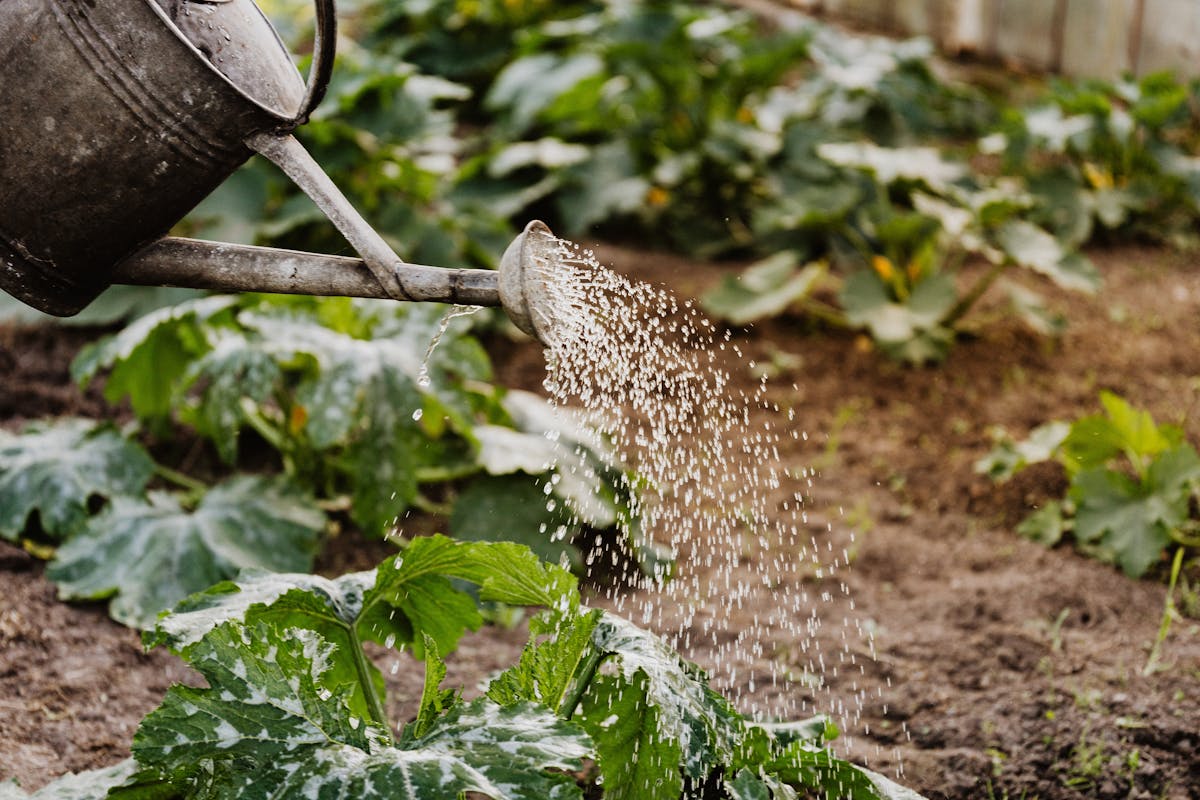
1. Top-Watering: The most traditional method involves watering the soil directly from the top. Ensure the water penetrates deep into the soil by watering until you see excess water draining from the bottom of the pot. This method allows you to monitor how much water is being absorbed and helps prevent over-saturation.
2. Self-Watering Pots: For those who prefer a hands-off approach, self-watering pots can be a great solution. These pots have a reservoir at the bottom, allowing plants to access moisture as needed while minimizing the risk of overwatering.
3. Soil Moisture Meters: Investing in a soil moisture meter can help you gauge when your plants need watering. This tool can guide you in determining the right time to water, reducing the risk of over or under-watering.
4. Watering Schedule: Establishing a consistent watering schedule based on the specific needs of your plants can help you avoid the pitfalls of bottom-watering. Different plants have varying water requirements, so it’s essential to tailor your approach.
Best Practices for Watering
To ensure your plants thrive, keep these best practices in mind:
Check Drainage: Always use pots with proper drainage holes to prevent water from pooling at the bottom. Consider adding a layer of gravel or clay pellets at the bottom for enhanced drainage.
Monitor Soil Moisture: Regularly check the soil moisture level before watering. Stick your finger an inch or two into the soil; if it feels dry, it’s time to water.
Use Quality Soil: Invest in high-quality potting soil that provides good drainage and aeration. This can help prevent some of the issues associated with bottom-watering.
Adjust Watering Techniques Seasonally: During the growing season (typically spring and summer for most North American gardeners), plants may require more frequent watering. Conversely, reduce watering in the dormant winter months.
By understanding the potential drawbacks of bottom-watering and implementing alternative techniques, you can create a nurturing environment for your plants. Remember, every plant is unique, so take the time to observe and adjust your watering practices accordingly. Happy gardening!