The Hidden Risks of Reusing Potting Soil: What Every Gardener Should Know
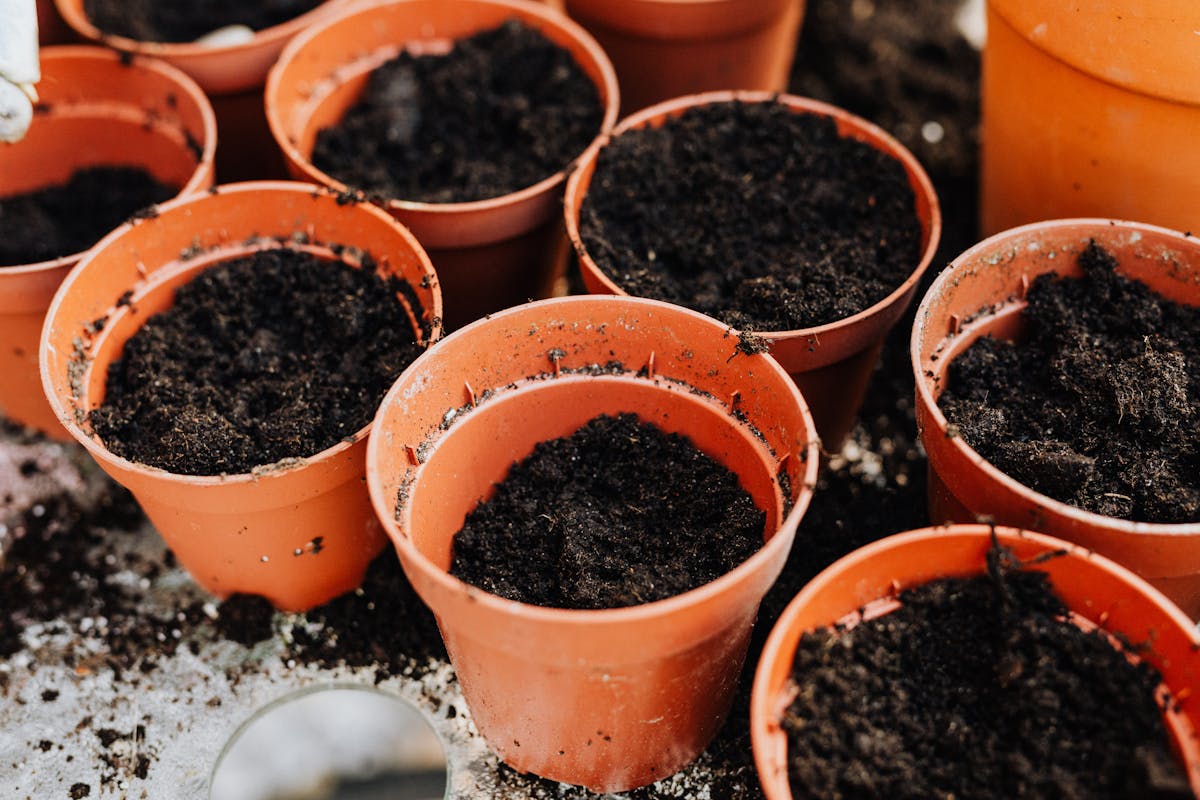
As gardeners, we’re often looking for ways to be more sustainable, save money, and reduce waste. One common practice that seems to fit the bill is reusing potting soil. After all, potting mix can be expensive, and it seems wasteful to toss it out each time you repot a plant. However, while reusing potting soil can be beneficial, there are significant risks involved if it’s done too many times without proper care. Let’s explore what happens when potting soil is reused repeatedly and how to do it safely.
Understanding Potting Soil Composition
Before diving into the risks, it’s important to understand what potting soil is made of. Generally, potting mixes are composed of a blend of organic materials such as peat moss, compost, bark, and perlite. These ingredients provide plants with the necessary aeration, drainage, and nutrients. Over time, however, the quality of the soil can deteriorate.
The Risks of Reusing Potting Soil
1. Nutrient Depletion
One of the primary issues with reusing potting soil is nutrient depletion. Plants absorb nutrients from the soil as they grow, and over time, the once-rich medium can become depleted. This can lead to deficiencies in essential nutrients such as nitrogen, phosphorus, and potassium, which are crucial for healthy plant growth. If your plants are looking weak or exhibiting signs of yellowing leaves, it might be time to refresh your potting mix.
2. Soil Compaction
Repeated use of potting soil can lead to soil compaction. When soil is compacted, it restricts root growth, reduces aeration, and can impede water drainage. Compacted soil can create a barrier that prevents roots from accessing the nutrients and water they need. To help alleviate this, consider mixing in fresh compost or other organic matter to rejuvenate the soil.
3. Pest and Disease Build-Up
One of the most significant risks of reusing potting soil is the potential for pests and diseases to accumulate. Fungal spores, bacteria, and pathogens can linger in the soil, waiting for the right conditions to strike. If you had a disease outbreak in a previous planting, such as root rot or powdery mildew, the pathogens can survive in the soil and affect new plants. To minimize this risk, always inspect your soil for any signs of pests or disease before reusing it, and consider sterilizing soil that has been previously used for problem plants.
4. Change in pH Levels
The pH level of potting soil can change over time, often becoming more acidic or alkaline depending on the organic materials present and the plants grown in it. Most plants prefer a pH range of around 6.0 to 7.0. If your soil has been reused multiple times without amendments, it may fall outside this range, which can hinder nutrient absorption. Testing your soil’s pH can help you determine if you need to make adjustments with lime (to raise pH) or sulfur (to lower it).
Best Practices for Reusing Potting Soil
If you decide to reuse your potting soil, here are some best practices to follow:
1. Refresh the Soil
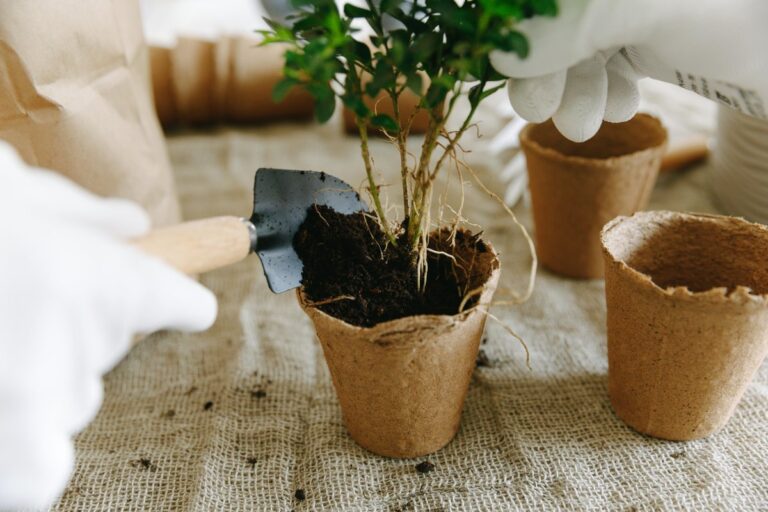
Before reusing potting soil, refresh it by mixing in new compost or organic matter. This not only replenishes nutrients but also helps improve soil structure. A good rule of thumb is to mix in at least one part fresh compost for every three parts of used soil.
2. Sterilize When Necessary
If you suspect that your soil may harbor pests or diseases, consider sterilizing it. This can be done by baking the soil in a non-metallic container at 180°F for about 30 minutes. This process kills pathogens but can also eliminate beneficial microorganisms, so use it sparingly and only when needed.
3. Monitor Plant Health
Keep a close eye on your plants’ health after reusing soil. Look for signs of nutrient deficiencies, pests, or diseases. Regularly testing soil moisture and pH can also provide insights into how well your reused soil is performing.
4. Rotate Your Soil
If you have multiple pots or containers, consider rotating your potting soil. This means using soil from one pot for another while allowing the first to rest. This practice can help prevent the build-up of pests and diseases.
5. Limit Reuse
As a general rule, you should aim to reuse potting soil no more than two or three times. If it’s been used for flowering plants or vegetables, those soils should be replaced more frequently, especially if the plants showed signs of stress. For ornamental plants that are less demanding, you may be able to reuse the soil a bit longer, but always assess its quality.
When to Replace Potting Soil
Ultimately, there will come a time when your potting soil needs to be replaced entirely. Signs that it’s time to toss your old soil include a foul odor, a visible build-up of salts on the surface, or if it has become extremely compacted and dry. If you notice any of these indicators, it’s best to err on the side of caution and start fresh.
In Conclusion
Reusing potting soil can be a sustainable and economical practice, but it’s essential to approach it with caution. By understanding the risks and implementing best practices, you can give your plants the best possible environment for healthy growth. Remember, a thriving garden begins with healthy soil, so take the time to assess and care for your potting mixes accordingly. Happy gardening!