The Late-Season Garden Move That Can Change Next Year’s Results and Boost Your Harvest Excitement
As the season winds down, it’s easy to feel like your garden is finished for the year. But there’s one move you can make right now that could make a huge difference next spring.
This simple change can improve your soil and help you grow healthier plants in the future.
Conduct a thorough soil test to identify nutrient gaps
Testing your soil before winter gives you a clear idea of what your garden needs. A soil test shows you what nutrients your soil has and what it’s missing.
This helps you avoid guessing when adding fertilizers or amendments. Testing measures key elements like nitrogen, phosphorus, potassium, and pH levels.
Knowing these details lets you feed your plants exactly what they need. It also stops you from wasting money on unnecessary products.
Gather soil samples from different spots in your garden to get an accurate picture. Dig a few inches deep and mix the soil well before sending it to a lab or using a home test kit.
Add compost and organic matter to boost soil fertility
Add compost and organic matter at the end of the season to give your garden a strong start next year. Compost is full of nutrients that slowly feed your soil.
When you mix it in now, you are setting your garden up for strong, healthy plants next year. Organic matter, like leaves, straw, or well-rotted manure, improves your soil’s texture.
It helps sandy soils hold water and nutrients, while it loosens heavy clay soil to improve drainage. This makes your garden soil easier to work with and better for plant roots.
Add a few inches of compost on top of your beds or work it gently into the top layer of soil. Make sure any materials you add are free from chemicals or herbicides.
Doing this in late fall lets the compost break down over the winter. When spring arrives, your soil will be rich, loose, and full of life.
Apply a balanced slow-release fertilizer for next season
Now is a great time to give your garden a boost for next year. Using a balanced slow-release fertilizer in late season helps feed your plants steadily over time.
Slow-release formulas break down gradually, so your garden stays nourished even as the weather cools. This steady supply of nutrients strengthens roots and builds up energy reserves.
Choose a fertilizer with a balanced ratio of nutrients to support overall plant health. Applying it in early fall gives your garden a head start on winter preparation.
Make sure to spread the fertilizer evenly and water it in well. This helps nutrients reach the root zone and get absorbed efficiently.
Plant cover crops like clover or rye to enrich soil
Once your main crops are done, try planting cover crops like clover or rye. These plants work hard to improve your soil while you rest.
Clover adds nitrogen to the soil, which helps your plants grow stronger next season. Rye grows quickly and protects your soil from erosion.
It also helps keep weeds down. Cover crops help your soil hold moisture better.
This means your garden will be ready to grow as soon as the growing season starts again. Plus, they support tiny soil creatures that keep the earth alive and balanced.
Clear out plant debris to reduce pests and diseases
Leftover plant debris can cause big problems next season. Dead leaves, stems, and old vegetables create perfect places for pests and diseases to hide during winter.
By clearing out all plant debris now, you take a huge step toward protecting your garden. It stops many of these bugs and diseases from surviving through cold months.
You also help stop fungal spores and bacteria that cling to old plants from spreading to your fresh crops. Cleaning up might feel like a chore, but it is worth it.
After you remove plant debris, consider composting what’s healthy. This way, you recycle nutrients and improve your soil.
Rotate crops to prevent soil depletion and pests
Rotating crops each season keeps your soil from losing important nutrients. When you plant different crops in the same spot, the soil stays rich and balanced.
Rotating crops also helps stop pests and diseases from taking over. Pests that like one kind of plant won’t find it as easily if you switch what you grow.
By changing what you plant, you create a healthier, more productive garden. Your soil structure improves, and beneficial microbes get a chance to thrive.
Give crop rotation a try this late season. It’s an easy way to set your garden up for success next year.
Adjust garden layout based on late-season observations
Take a walk through your garden and notice what worked and what didn’t. Look at which plants thrived and which areas had issues with water or sunlight.
Notice how sunlight moves across your garden as the days get shorter. Some plants may need sunnier spots, while others can handle more shade.
Moving plants to better locations can help them grow stronger. Pay attention to pests and how they affected your crops.
You might want to shift certain vegetables away from problem areas or add plants that can help keep bugs away naturally. Think about how wind or cold affected your garden.
You can add windbreaks or protective covers in spots that need extra care. Small changes now can make a big difference later.
Mulch heavily to protect soil over winter
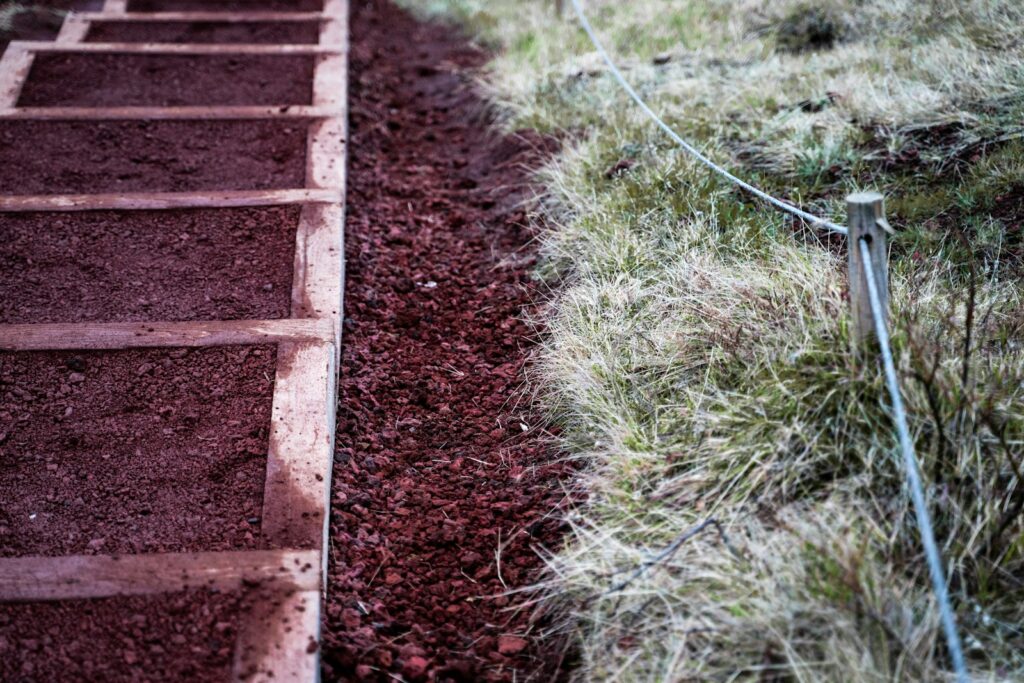
A thick layer of mulch can make a huge difference for your garden over winter. Covering your soil with mulch keeps it warm during cold nights and stops frost from damaging delicate roots.
A 2 to 4 inch layer is just right to lock in warmth and moisture. Mulch acts like a cozy blanket for your garden and slows down temperature swings.
This protects beneficial microbes that help your soil stay healthy. Don’t wait too long to mulch.
After the first frost, but before the ground freezes, is the perfect time. You can use materials like shredded leaves, straw, or wood chips.
Just leave some space near the base of plants to avoid smothering them. As winter approaches, push your mulch closer to plant roots.
This extra insulation will guard against harsh winds and freezing weather. When spring comes, your garden bed will be much healthier.
Incorporate mulch made from shredded leaves for nutrients
Shredded leaves make excellent mulch and are easy to find in the fall. This mulch adds valuable nutrients back into the soil as it breaks down.
It’s a natural way to feed your plants without needing extra fertilizers. Shredded leaf mulch helps keep the soil moist by reducing water loss.
This means your plants stay hydrated longer, which is especially useful entering colder months. It also helps stop weeds from growing.
If you don’t want to use all your shredded leaves right away, store them in a breathable container. Adding 2 to 3 inches of leaf mulch over your soil creates a protective layer that supports plant roots.
Using shredded leaves is a simple step that makes a big difference. It turns natural waste into garden gold.
Use row covers to extend growing season and protect soil
Row covers are a secret weapon for late-season gardening. These lightweight fabrics create a warmer space for your plants.
You get more time to grow vegetables before frost hits. Row covers also help keep the soil healthy by reducing moisture loss and blocking cold winds.
This protects the soil structure and keeps beneficial bugs safe. Setting up row covers is simple.
Lay them over your plants and secure the edges with rocks or pins. You can leave them on during cold nights and remove them on warmer days.
Row covers also prevent pests from reaching your plants. This can save your garden from damage late in the season.
Plus, you’ll enjoy fresh veggies for weeks longer.
Why Move Your Garden Late in the Season?
Changing up your garden late in the season can be a game-changer for next year. It refreshes your growing space and helps you avoid problems that might hold your plants back.
Benefits for Soil Health
Moving plants late in the season gives your soil a chance to recover. The left-behind soil can rest and regain nutrients.
You can add compost or mulch to enrich the soil during this time. It helps keep moisture in and protects the soil from erosion over winter.
Rotating where you place plants helps avoid depleting the soil of the same nutrients each year. This keeps your garden soil healthier and more balanced.
Reducing Pest and Disease Risks
Late-season garden moves reduce pests and diseases by changing where plants grow. Many pests and diseases stay in the soil or plant debris from earlier seasons.
Moving plants lets you avoid these problem spots. By relocating, you cut down the chances that pests will find and attack your crops.
You also reduce disease buildup by not letting infected soil or plants linger in the same place year after year. Row covers or mulch can protect moved plants from frost or insects as the season ends.
These steps give your plants a safer environment and a better chance to grow strong next season.
How Late-Season Moves Impact Next Year’s Growth
Your late-season garden actions set the stage for healthier plants and better yields next year. Paying close attention to root development and planting timing can make a big difference in how your garden recovers and thrives after winter.
Establishing Strong Root Systems
When you provide your garden with nutrients or new plants late in the season, you focus on building strong roots. During late fall, plants grow roots more than leaves.
These roots store energy and prepare the plant for the next growing season. Feeding your plants with the right type of fertilizer now, especially nitrogen, helps roots grow deeper and stronger.
You want to avoid stressing your plants with heavy feeding or pruning late in the season. Instead, give gentle support that encourages root development.
Strong roots mean better water and nutrient absorption in spring. This leads to healthier plants that can survive harsh weather.
Protecting your soil with mulch or cover crops also keeps roots safe from freezing and adds organic matter for future growth.
Timing Tips for Optimal Transplant Success
Moving plants or seedlings late in the season can feel tricky, especially when you want them to thrive. Timing makes a huge difference, so try to transplant a few weeks before the first hard frost.
This gives roots a chance to settle in before cold weather arrives. Check your seed packets or look up local frost dates to help you plan.
Make sure your plants have enough time to adjust underground. Choosing cooler, cloudy days for transplanting can keep plants from getting too stressed.
After moving them, water deeply so the roots can get established. Avoid transplanting when the soil is frozen or when early cold snaps could harm new growth.
With a little planning and care, your plants have a much better shot at surviving the winter and coming back strong in the spring.