The Old-School Gardening Practice Making a Quiet Comeback Sparks Excitement Among Gardeners Everywhere
Have you ever noticed how some of the best gardening ideas are the ones your grandparents swore by? Lately, these tried-and-true methods are making a quiet return, and people everywhere are rediscovering their charm.
Old-school gardening isn’t just about nostalgia. It’s about finding simple ways to connect with your space and enjoy your garden in a more personal, hands-on way.
You might be surprised how simple, time-tested gardening habits can bring new life and joy to your garden. Exploring these classic approaches can help you grow healthier plants and create a more personal space.
Nostalgia Gardening: Evoking treasured memories through blooms and scents
Walking into a nostalgia garden can feel like stepping back in time. Bringing back flowers and herbs from your childhood or honoring loved ones through plants makes gardening more meaningful.
Familiar scents like lavender, roses, or mint can instantly transport you to simpler days. Adding vintage touches, such as old garden tools or weathered pots, gives your space a cozy, lived-in feel.
Every flowerbed or herb patch can be a reminder of happy memories. Gardening becomes more than a hobby—it becomes a way to fill your space with warmth and stories.
Companion Planting: Pairing basil with tomatoes for natural pest control
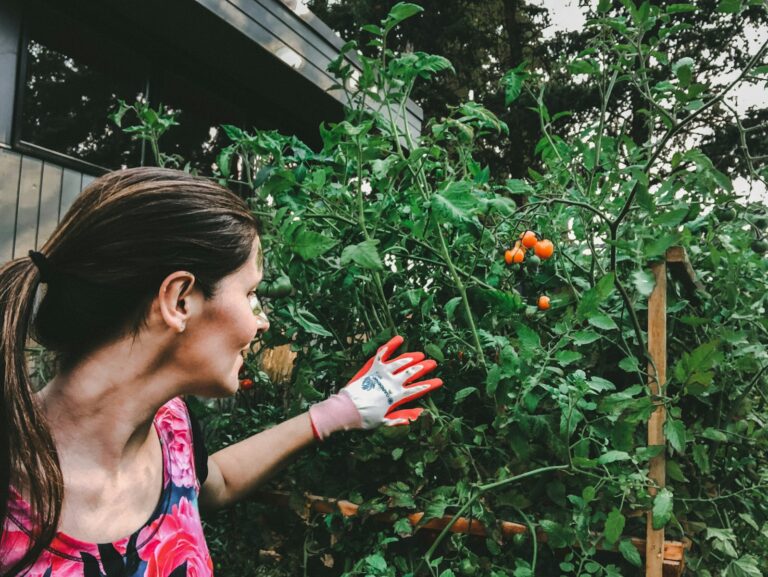
Pairing basil with tomatoes is a classic trick that still works wonders. Basil not only boosts tomato flavor but also helps keep pests like aphids and whiteflies away.
When you plant basil close to tomatoes, you’re creating a little ecosystem that attracts helpful insects and deters the bad ones. Both plants enjoy similar soil and water needs, making care easier.
Give each plant enough space—about 12 to 18 inches apart—so they can thrive together. Basil can even offer a bit of support to the tomato plants as they grow.
This old-school pairing leads to healthier tomatoes and less hassle for you.
Vintage Garden Bells: Adding charm and signaling garden gatherings
Adding vintage garden bells brings a sense of welcome to any garden. Their unique look fits right in by flower beds or along pathways.
A bell on a wooden post can signal it’s time for a gathering or simply add a cheerful note to your day. The gentle sound makes mornings and evenings feel special.
Vintage bells are easy to find in antique shops or online. Choosing a cast iron or farm-style bell adds instant character to your outdoor space.
Planting Heirloom Flowers: Bringing back traditional, fragrant varieties
Planting heirloom flowers is a way to give your garden a unique personality. These blooms often have scents and shapes you just don’t find in modern varieties.
Heirloom flowers are open-pollinated, letting you save seeds and grow them year after year. This keeps your garden connected to the past and helps preserve rare plants.
Their natural quirks bring authenticity and charm. The beauty and resilience of these flowers make them a rewarding choice for any gardener.
Using Antique Tools: Reconnecting with gardening’s rich history
There’s something special about using antique gardening tools. The solid feel of wood and metal connects you to generations of gardeners before you.
Old tools were made to last and often work better than their plastic counterparts. Their weight and craftsmanship offer a satisfying, hands-on experience.
Each tool tells a story and adds a touch of history to your garden routine. They’re not just practical—they’re conversation starters and a way to honor the past.
Raised Garden Beds: A classic method gaining fresh popularity
Raised garden beds are popping up everywhere, and for good reason. By building up the soil, you improve drainage and help plants get a strong start in spring.
You have more say over soil quality, which means fewer weeds and pests. Raised beds are also easier on your back and can be used by people of all ages and abilities.
They look tidy and can be made from just about anything—wood, bricks, or even recycled materials. This method fits right in with today’s gardening trends and makes it easier to grow what you love.
Seed Saving: Preserving plant varieties like past generations
Saving seeds is a simple way to keep your favorite plants going year after year. It’s a tradition that lets you grow varieties perfectly suited to your garden.
Plants grown from saved seeds adapt to your local weather and soil, getting stronger each season. You help protect plant diversity and keep rare varieties alive.
All you need to get started are healthy plants and a dry spot to store seeds. Every saved seed is a step toward a more resilient and unique garden.
Mulching with Natural Materials: Old-school moisture retention trick
Mulching with natural materials like straw, leaves, or wood chips makes a big difference. It keeps soil moist and cuts down on watering.
Natural mulch also blocks weeds, giving your plants more room to grow. As it breaks down, it feeds your soil and keeps it healthy.
Layering wet newspaper or cardboard underneath adds another layer of protection. This simple method saves water and makes gardening chores easier.
Garden Gnome Decorations: Vintage whimsy making a comeback
Garden gnomes are showing up in more yards, bringing a playful touch to outdoor spaces. Their classic, hand-painted style adds a bit of old-school magic.
Placing gnomes near flower beds or along pathways makes your garden feel like a storybook come to life. They’re an easy way to show off your personality.
Mixing different styles or creating little gnome villages lets your creativity shine. These decorations make your garden feel welcoming and fun.
Herb Spiral Gardens: Efficient and traditional planting technique
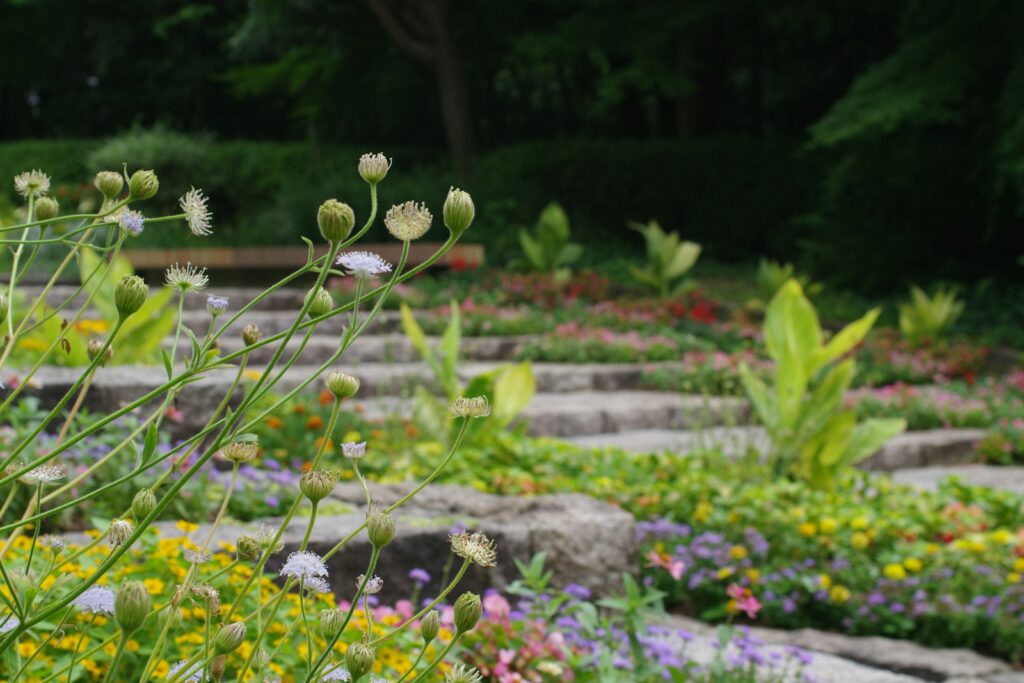
Herb spirals are a clever way to grow lots of herbs in a small space. The spiral design creates different conditions for each plant, so everything from rosemary to parsley can thrive together.
Building a spiral with stones or bricks is simple and gives your garden a unique focal point. The raised shape helps water drain well and keeps plants healthy.
You save space and water while growing a variety of herbs right at your fingertips. Herb spirals are practical and add a touch of tradition to any garden.
Why Traditional Gardening Methods Endure
These methods stick around because they offer more than just good results. They help us feel connected to the past and make gardening meaningful.
Connecting Generations Through the Garden
When you use old-school gardening tricks, you’re carrying on knowledge passed down through families. Learning skills like companion planting or natural pest control connects you to people who gardened before you.
Sharing these traditions creates bonds and keeps valuable lessons alive. Gardening becomes a way to honor your roots and keep family stories growing.
Patience and care are at the heart of these methods. Working this way links you to a long line of gardeners who valued the land and each other.
Sustainability and Ecological Benefits
Traditional gardening works with nature, not against it. Crop rotation and companion planting keep soil healthy and reduce pests without chemicals.
Using less fertilizer and avoiding pesticides means your garden supports more insects, birds, and helpful soil life. This balanced approach helps your garden stay strong year after year.
Composting and mulching conserve water and feed the soil naturally. These habits reduce waste and pollution while growing healthier plants.
Inspiring Real-World Revivals
Communities and individual gardeners are bringing these old practices back to life. Workshops and local gardens are filled with people eager to learn and share time-tested techniques.
Community Initiatives and Workshops
Many towns now offer gardening workshops on traditional methods. You can learn about natural fertilizers, crop rotation, and even moon phase planting from experienced gardeners.
Community gardens are great places to swap seeds and try out heirloom plants. Working together, neighbors can keep these traditions thriving and discover new ways to make gardening rewarding.
Stories From Home Gardeners
Have you ever tried something new in your garden just because a friend or family member swore by it? Sometimes the smallest change can make a big difference.
One gardener decided to track the moon phases for planting. After a few months, they noticed their crops seemed healthier and more robust.
Another person switched to homemade natural fertilizers. They found that pests were less of a problem, and they didn’t need to rely on chemicals.
Some folks love using vintage tools or planting seeds passed down through their families. Adding these personal touches can make gardening feel more special and rewarding.
Listening to these stories can spark new ideas for your own garden. You might even find yourself wanting to try a few old-school methods just to see what happens.