The Plant Care Tip Passed Down for Generations That Experts Are Rethinking
Ever get gardening advice from a parent or neighbor that just seems like the golden rule? So many of us pick up plant care tips from family, friends, or even that friendly stranger at the garden center.
These tried-and-true methods feel comforting because they’ve been used for so long. But as gardening science grows, some of these classic tips are getting a second look.
You might be surprised to learn that a popular plant care tip you’ve heard for years is now being rethought by experts. This shift could change how you care for your plants and help them grow healthier than ever before.
Watering plants daily regardless of species
Maybe you’ve always thought plants need water every day. This advice has been around for ages.
Experts are now saying that not every plant wants a daily drink. Some, like succulents and cacti, actually prefer a break between waterings.
Your home’s environment matters too. In dry, warm spaces, plants might need water more often, but in cooler or humid spaces, daily watering can be too much.
Checking the soil is a helpful way to know when to water. If the top inch is dry, it’s probably time for a drink.
Paying attention to your plant’s needs instead of sticking to a schedule can help your plants thrive.
Using coffee grounds as fertilizer
Coffee lovers, you might have heard that used coffee grounds are great for your garden. They do contain nutrients like nitrogen that can help your plants.
But fresh coffee grounds are acidic and can harm some plants. Used coffee grounds that have cooled down are safer and can be mixed into your compost pile.
Sprinkling coffee grounds thinly around your plants helps with drainage and keeps the soil loose. Just use a little at a time.
Many veggies, like kale and cucumbers, benefit from the slow nutrient release. It’s a smart, eco-friendly way to use something you’d otherwise toss.
Relying on moon phases for planting
Planting by the moon is a tradition that’s been around for generations. Some gardeners believe the moon’s phases affect how plants grow.
When the moon is waxing, people plant crops like lettuce or tomatoes. During the waning moon, root vegetables are the focus.
This method gives gardeners a schedule and a way to feel connected to nature’s rhythms. Scientists are still debating how much the moon really impacts plant growth.
Trying out moon phase planting can add a fun twist to your gardening routine. Watching the skies might just bring something new to your harvest.
Planting marigolds to deter pests
You might have heard that marigolds help keep garden pests away. Their strong scent is said to be unpleasant to many bugs.
Marigolds can help reduce some soil pests, especially nematodes that attack roots. Not all insects are bothered, but marigolds add a nice layer of defense.
They also attract helpful insects like bees and ladybugs. These pollinators and predators are good for your garden’s health.
Growing marigolds is a simple way to bring a bit more balance to your garden.
Compacting soil for better root growth
Some of us have been told to pack down soil so plants will have firm support. It sounds logical, but it turns out compacted soil actually makes it harder for roots to grow.
Dense soil keeps roots from spreading and makes it tough for water and air to reach them. This can lead to weak plants.
Keeping soil loose and adding organic matter like compost helps roots grow stronger. Plants with deep roots can also help break up compacted soil over time.
Letting your garden breathe is better for your plants in the long run.
Adding crushed eggshells to soil
Crushed eggshells are often touted as a garden fix for adding calcium. They do contain calcium carbonate, which supports healthy plant growth.
Eggshells break down slowly, so crushing them finely helps speed up the process. Some gardeners add a few crushed shells to the soil or make an eggshell tea by soaking them in water.
Not every plant will respond the same way, so try it out in a small area first. Used right, eggshells can be a simple way to give your plants a boost.
Pruning plants heavily each season
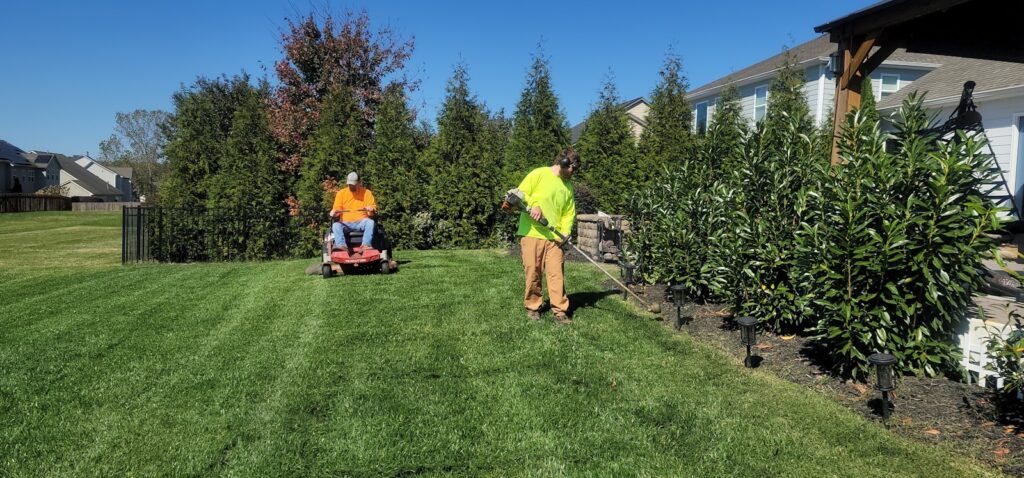
Maybe you’ve been told to prune your plants hard every season for the best growth. It sounds like a good way to encourage new shoots, but heavy pruning can actually stress your plants.
Cutting back too much removes leaves that help make food for the plant. This can slow growth and weaken your plant overall.
Prune carefully and focus on removing dead or damaged branches. Light, targeted pruning encourages healthy new growth without overwhelming your plants.
You’ll see happier plants with more flowers and fruit when you prune with a gentle touch.
Using banana peels as a nutrient boost
Banana peels are packed with potassium, phosphorus, and calcium—nutrients your plants love. Instead of tossing them, you can use them as a simple fertilizer.
Try making banana peel tea by soaking peels in water for a few days, then use the water to feed your plants. You can also chop the peels and bury them in the soil for a slow-release effect.
This is an easy way to reduce waste and help your garden at the same time.
Avoiding watering leaves to prevent disease
Watering your plants from above might seem fine, but leaving water on leaves can lead to problems. Wet leaves are a perfect spot for fungi and bacteria to grow.
Water stays on leaves longer than in soil, giving spores more time to spread. Overhead watering can lead to mold or disease.
Focus on watering the soil around the roots. Using a soaker hose or drip irrigation helps keep leaves dry and plants healthy.
Keeping leaves dry is a simple trick that can make a big difference.
Relying solely on compost without supplements
It’s tempting to think compost is all your plants need. Compost is full of nutrients and organic matter, but using only compost can cause problems.
Too much compost can mean too much of certain nutrients, like nitrogen. It can also lead to poor drainage and make it tough for roots to grow well.
Mix compost with other materials, like sand or garden soil, for the best results. This balance gives your plants the environment they need to thrive.
The Origins of Traditional Plant Care Wisdom
A lot of the plant care advice we hear comes from years of hands-on experience. People have watched their gardens and learned what works over time.
Tips often get passed down through families or shared in communities. This knowledge is shaped by observation and practical trial and error.
How Generational Advice Shapes Modern Practices
You might have learned gardening from a grandparent or neighbor who swears by certain traditions. These tips come from people who watched how plants responded to weather, soil, and seasons.
This wisdom is shared through stories and hands-on teaching. It evolves as each generation adds their own observations.
Key examples include:
- Planting based on natural signs
- Using specific soil mixes or watering routines
- Timing pruning and harvesting for plant health
Traditional advice still guides many gardeners today. Science helps us check and update these methods for even better results.
Why Experts Are Challenging Time-Honored Tips
It’s easy to assume the old ways are always best. But new research shows that some classic plant care tips might not be as helpful as we thought.
Sticking to outdated advice can even harm your plants. Experts are now using new discoveries to help us care for our gardens more effectively.
Scientific Discoveries Changing Plant Care
Modern science tests gardening advice to see what really works. For example, traditional watering tips might lead to overwatering or underwatering.
Soil science has revealed more about how nutrients move and how roots absorb them. This helps us choose better fertilizers and soil mixes.
Plants have specific needs, and science lets us meet them more precisely. Updating your plant care methods can help your garden grow stronger and last longer.
Risks of Outdated Methods
Have you ever followed a gardening tip from your grandparents, only to wonder why your plants still struggle? Sometimes, those old tricks just don’t hold up against today’s challenges.
Some pest deterrents from years ago simply don’t work well on the bugs we deal with now. Your plants can end up unprotected and suffer damage you didn’t expect.
Traditional advice often suggests watering on a set schedule. If you don’t check the soil first, overwatering becomes a real problem.
Too much water can cause root rot or bring on fungal diseases. Suddenly, your garden is struggling even though you thought you were doing everything right.
Using outdated fertilizer recipes is another common pitfall. This can leave your plants with nutrient imbalances.
Weak growth and disappointing blooms often follow. Even planting the wrong companion plants might attract more pests than you bargained for.