The Plant That Promises Perfection but Often Disappoints: What You Need to Know
When it comes to home gardening, there’s a plant that often emerges as the darling of garden centers and online forums: the pothos (Epipremnum aureum). With its beautiful trailing vines and heart-shaped leaves, it seems to fit the bill as the “perfect” plant for beginners and seasoned gardeners alike. However, while pothos may appear to be low-maintenance and foolproof, many homeowners find that it can become a real headache. Let’s explore the reasons why this popular houseplant might turn into a nightmare in your home and how to avoid common pitfalls.
The Allure of Pothos
Pothos is celebrated for its resilience and ability to thrive in various conditions, making it a favorite among indoor plant enthusiasts. It’s often recommended for its air-purifying qualities and its ability to adapt to low light, making it an ideal choice for apartments or homes with limited sunlight. Furthermore, pothos is forgiving of occasional neglect, which only adds to its appeal for busy gardeners.
The Reality Check: Common Issues with Pothos
Despite its reputation, pothos can quickly become a troublesome plant if not cared for properly. Here are some common issues that homeowners face:
1. Overwatering Woes
One of the most significant challenges with pothos is its susceptibility to overwatering. While it likes to dry out between waterings, many gardeners mistakenly assume that more water equals more growth. This misconception leads to root rot, which can be fatal. To prevent this, always check the top inch of soil; if it feels dry, it’s time to water.
2. Pest Problems
Pothos can attract pests like spider mites, mealybugs, and scale. A sudden yellowing of leaves or a sticky residue on the plant can indicate an infestation. Regularly inspecting your plant for signs of pests and treating with insecticidal soap or neem oil will help keep these nuisances at bay.
3. Lack of Light
While pothos can survive in low light, it won’t thrive. Insufficient light can lead to leggy growth and pale leaves. If your plant is stretching towards the light source, it’s time to find a brighter spot or supplement with grow lights, especially during the shorter days of winter.
The Challenge of Pruning
Another aspect that can turn pothos into a nightmare is neglecting to prune. While they are easy to propagate, if left unpruned, pothos can become unruly, with long vines that can tangle and look unsightly. Regularly trimming back the plant not only promotes bushier growth but also helps control its size.
The Toxicity Factor
While pothos is not harmful to most adults, it is toxic to pets and young children. If you have curious cats or dogs, it’s essential to place your pothos out of reach. If ingested, it can cause mild gastrointestinal irritation. Always consult your local extension service or veterinarian if you suspect your pet has eaten any part of the plant.
Creating the Ideal Environment
To ensure your pothos thrives rather than becomes a burden, consider these practical tips:
Soil and Potting
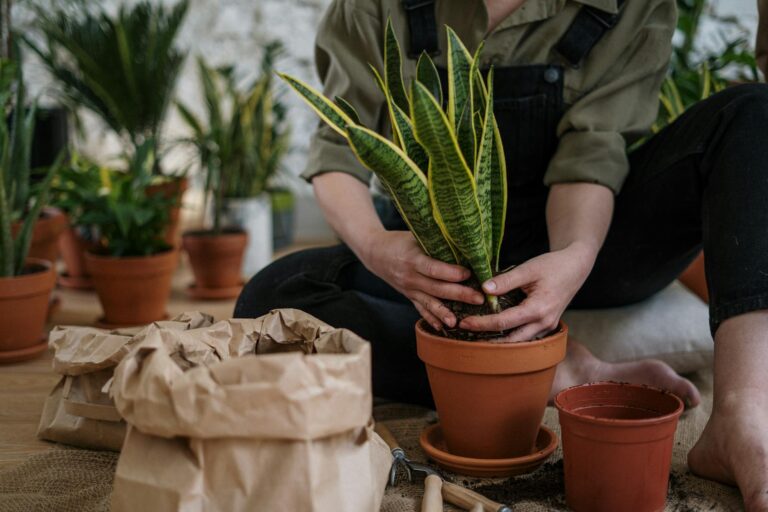
Using a well-draining potting mix is crucial. Look for a mix designed for indoor plants or create your own by combining regular potting soil with perlite. When repotting, choose a pot with drainage holes to avoid water accumulation.
Watering Schedule
Instead of sticking to a strict schedule, adopt a more intuitive approach to watering. During the growing season (spring and summer), you might water every 1-2 weeks, while in the dormant months (fall and winter), reduce watering frequency significantly. Always err on the side of underwatering; pothos is more forgiving of a dry spell than a waterlogged root system.
Fertilizing Wisely
While pothos isn’t a heavy feeder, a balanced, water-soluble fertilizer can be applied every 4-6 weeks during the growing season to support lush growth. Be cautious not to over-fertilize, as this can lead to salt buildup in the soil, which can harm the roots.
Propagation: A Double-Edged Sword
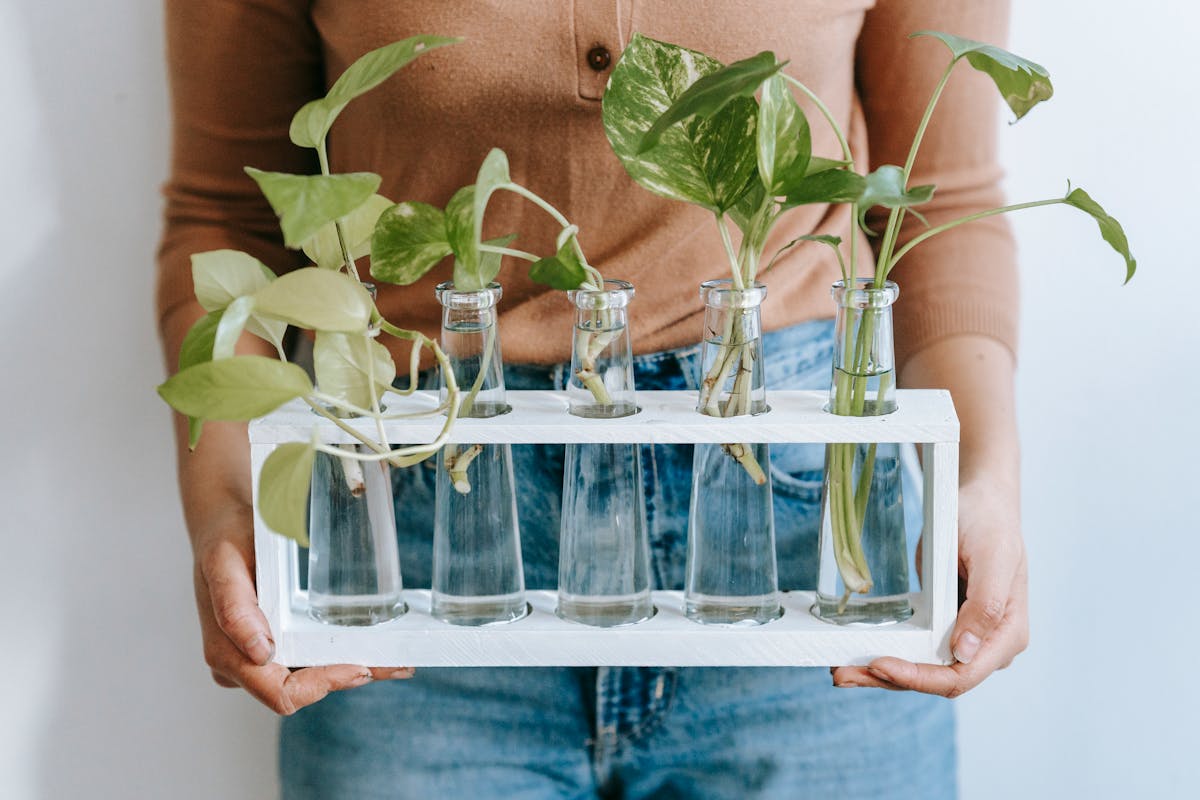
One of the most appealing aspects of pothos is how easy it is to propagate. However, this can also lead to an explosion of plants in your home if not managed. When propagating, take cuttings of healthy vines, ideally with a few leaves and nodes, and place them in water until roots develop. Once rooted, you can either pot them individually or share with friends to avoid overcrowding your space.
Final Thoughts
While pothos can be an excellent introduction to indoor gardening, it’s crucial to recognize that it’s not without its challenges. By understanding the common issues associated with this beloved plant and implementing best practices, you can enjoy the beauty and benefits of pothos without the headache. Remember, every plant has its quirks, and with a little attention and care, you can transform your pothos from a potential nightmare into a thriving centerpiece in your home. Happy gardening!