The Plants Gardeners Are Removing Instead of Adding This Season That Will Surprise You
Ever look at your garden and wonder if all those plants are really working for you? This year, more gardeners are making bold decisions and pulling out plants that just aren’t cutting it anymore. Sometimes, it’s about making space for something new or simply making your outdoor space easier to manage.
You might be surprised by which plants are getting the boot. Knowing what others are removing can help you avoid common headaches and keep your garden thriving.
Solomon’s Seal (Polygonatum)
Shade gardens often feature Solomon’s Seal, with its graceful, arching stems and soft green leaves. The spring brings delicate, white, bell-shaped flowers that dangle under the stems.
This season, more gardeners are saying goodbye to Solomon’s Seal. It spreads slowly through underground rhizomes but can start to take over, especially if you want to add other plants nearby.
Later in the year, blue-black berries appear and attract birds and wildlife. That sounds lovely, but if your garden is changing, it might be time to move on.
Solomon’s Seal prefers cooler, shaded spots. If your yard is sunny or tends to dry out, it may not be the best fit. If you keep it, move it during its dormant season to help it adjust.
Rose of Sharon
If you’ve got Rose of Sharon, you know those bright flowers can be a highlight from summer to fall. But this shrub spreads fast, self-seeding all over and crowding out your favorites.
The tropical look and the butterflies it brings are appealing. Still, its invasive growth can quickly become more than you bargained for.
Many gardeners are swapping Rose of Sharon for native plants that are easier to control. These alternatives bring color and life without the hassle of constant pruning.
If you keep Rose of Sharon, regular pruning is a must. Otherwise, you might find it taking over before you know it.
Veronica
Some gardeners are pulling out Veronica plants this year, even though they’re known for their bright blue and purple flowers. Veronica, or speedwell, is usually easy to grow and attracts pollinators.
Problems start when the conditions aren’t right. Poor air flow and wet soil can cause mildew, leaving white spots on leaves and stems.
To keep Veronica looking good, you need to prune after flowering and remove dead stems. If you fall behind, the plant can look untidy.
For some, other plants are a better fit for their garden’s style and climate. If you’re considering removing Veronica, look for replacements that thrive in your conditions.
Lady’s Mantle
Lady’s Mantle is loved for its soft leaves that hold raindrops and its chartreuse flowers in late spring. But this season, more gardeners are pulling it out.
It spreads quickly and self-seeds, showing up in places you didn’t plan for. If left unchecked, it can crowd out other plants.
Cutting it back in spring helps keep it healthy, but in hot, dry weather, it can look worn out. If it’s taking over, you might want to give that space to something else.
Russian Sage
Russian sage brings a splash of silver and purple to sunny, dry areas. But lately, more gardeners are deciding it’s time to remove it.
This plant spreads aggressively through deep roots and runners, often taking over garden beds. Digging it out can be a real chore.
If you’re removing Russian sage, wet the soil ahead of time to make it easier. Some use herbicides or vinegar, but be careful not to harm nearby plants.
After removal, mulch and watch for new sprouts to keep it from coming back. Some people now plant Russian sage in containers to keep it contained.
Thirsty Lawns
Traditional grass lawns might look nice, but they need a ton of water. In areas with drought or water restrictions, this can be a real problem.
More people are pulling up their grass and choosing plants that don’t need as much water. Native plants often thrive with less attention and keep your garden looking great.
Switching to drought-friendly plants helps your wallet and supports local wildlife. Imagine a colorful, low-maintenance garden instead of a patchy lawn.
If watering your lawn feels like a never-ending chore, this could be the season to make a change. Removing grass opens up new possibilities for a sustainable, beautiful yard.
Finicky Flowers
Some flowers look incredible in catalogs but end up being high-maintenance divas in your yard. These plants need special care, exact soil, or perfect weather, and they can be a pain to keep happy.
If you’re busy, these demanding flowers can quickly become more work than they’re worth. Even with all your effort, some just refuse to thrive.
Instead, try swapping them for tough perennials that don’t ask for much. You’ll enjoy your garden more and spend less time worrying about picky plants.
Gardening is supposed to be enjoyable, not stressful. Choosing hardy plants makes it easier to relax and take pride in your outdoor space.
Old Rose Bushes
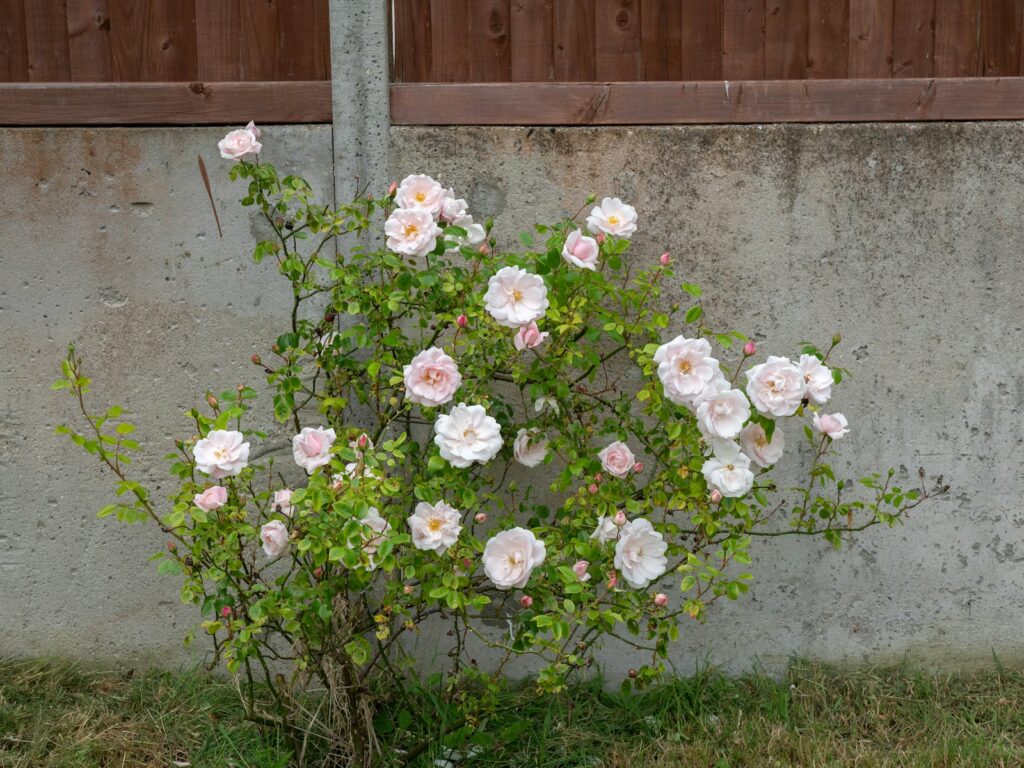
That old rose bush might have been stunning once, but now it could be more hassle than joy. If it’s looking tired or not blooming, you’re not alone in thinking about removing it.
Old roses often need lots of care—pruning, feeding, and pest control—just to look decent. Yellow leaves or wilting are signs it’s struggling.
Sometimes, they just don’t fit your style anymore or take up too much space. Newer plants can offer more blooms with less effort.
Pulling out an old rose bush gives you room to try something fresh that matches your current needs. It’s a chance to update your garden and make it work better for you.
Invasive Ivy
English ivy might look lush, but it can quickly smother your yard. It climbs over trees and walls, blocking sunlight and choking out other plants.
Getting rid of invasive ivy is a good move if you want a healthy garden. Dig up the roots and cut back vines to take control.
Once it’s gone, you can plant natives that support local insects and wildlife. Your garden will feel more balanced and alive.
Stay on top of ivy before it gets out of hand. Your yard will thank you for it.
Overgrown Hostas
Hostas are favorites for shady spots, but they can outgrow their welcome. Many gardeners are dividing or removing big clumps this season to keep things fresh.
Splitting hostas in spring or fall gives you new plants for free and helps existing ones thrive. It’s a simple way to refresh your garden without spending extra.
Cutting back dead leaves keeps everything tidy and healthy. If your hostas are blocking out other plants, removing a few can boost your whole garden’s health.
Don’t hesitate to take action. Overgrown hostas can be turned into a win with a little effort.
Why Gardeners Are Rethinking Their Plant Choices
Gardening isn’t just about what looks good anymore. Changing weather and new ideas about sustainability are making people rethink what they plant.
Emerging Environmental Concerns
Climate change is having a real impact on gardens. Hotter summers and unpredictable weather mean some plants just can’t keep up.
Native plants are getting more attention because they use less water and support pollinators. Swapping out thirsty or high-maintenance plants helps your garden and the environment.
Shifting Design Trends
Garden style is evolving, too. Bold, showy flowers are fading in popularity, while climate-smart choices are on the rise.
Some gardeners are even letting certain weeds stay because they help pollinators or improve the soil. Gardens are becoming places of beauty and sustainability.
Using resilient plants and smart watering systems shows you’re planning for the future. These trends mean saying goodbye to some old favorites in favor of smarter options.
What to Consider Before Removing Established Plants
Before you start pulling up plants, think about how it will affect your garden’s health and the wildlife that visits.
Impact on Local Biodiversity
Removing established plants can take away food and shelter for birds, bugs, and other animals. Some plants support pollinators, which are vital for your garden’s life cycle.
If you remove a plant, try replacing it with a native or something that fills a similar role. This helps keep your garden lively and balanced.
Constantly pulling out plants without thinking about their purpose can lead to fewer birds and insects, which might hurt your garden in the long run.
Long-Term Garden Health
If you have plants that have been growing for several seasons, you might notice your soil feels richer and more alive. These established plants add nutrients and organic matter that help your garden thrive.
It is easy to forget about the root systems beneath the surface. Deep roots do more than just anchor a plant, they help prevent erosion and let water soak in better.
Yanking out an established plant can disturb this balance. You might also lose some of the natural weed control certain plants provide.
If you pull out these helpful plants, you could find yourself battling more weeds than before. It is worth thinking twice before removing something that is already working in your favor.
When you do need to remove a plant, try to have a replacement ready. This way, you keep your garden’s momentum going and the soil stays protected.