The Popular Mulching Habit That May Be Doing More Harm Than Good and How to Fix It Fast!
If you love your garden, chances are you’ve tried mulching at some point. It’s a go-to move for keeping weeds at bay and holding onto precious moisture.
But what if the way you’re using mulch is actually making things worse? Some habits that seem helpful could be quietly hurting your plants.
Let’s dig into the most common mulching mistakes and how to fix them before they cause real trouble.
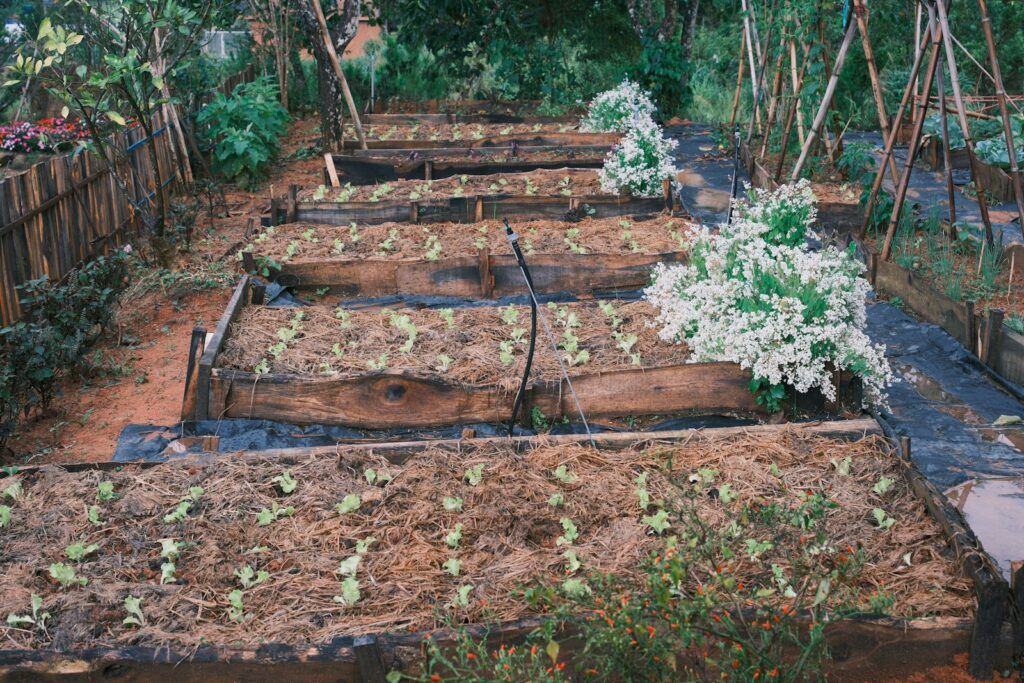
Over-mulching: piling mulch deeper than 2 inches suffocates roots and invites pests!
It’s easy to think more mulch equals more protection, but piling it on too thick can suffocate plant roots. Roots need oxygen, and a deep layer of mulch blocks air from getting through.
Thick mulch also creates a damp home for pests like insects and rodents. These critters love hiding out in heavy, wet mulch and can quickly damage your plants.
If you push mulch right up against trees or shrubs, it holds moisture against the bark. This can lead to rot and disease.
Keep mulch a few inches away from stems and stick to a thin, even layer. Your plants will thank you for it.
Creating mulch volcanoes by piling mulch against tree trunks causes rot and pest issues
Ever notice those cone-shaped piles of mulch hugging tree trunks? They’re called mulch volcanoes, and while they look tidy, they’re bad news.
Mulch piled against bark keeps it wet and dark. This dampness encourages rot and weakens your tree’s natural defenses.
Pests and fungi take advantage of the soft, rotting bark. The tree becomes an easy target for disease and bugs.
Instead, leave a clear space between the mulch and the trunk. This lets the bark breathe and keeps your trees stronger.
Using rubber mulch which doesn’t break down and can leach toxins into soil
Rubber mulch might seem like a smart, low-maintenance choice. It lasts a long time and doesn’t break down quickly.
But rubber mulch can leach chemicals into your soil over time. These toxins may hurt your plants and the helpful organisms living in the dirt.
Unlike organic mulch, rubber doesn’t improve soil health. It can also trap heat and make it harder for water to reach plant roots.
If you want a healthy garden, think twice before using rubber mulch.
Covering plant crowns with mulch, leading to moisture trapping and disease
It’s tempting to spread mulch right up to the base of your plants. But when you cover the crown—the spot where stem meets roots—you risk trapping too much moisture.
Extra moisture around the crown creates a breeding ground for disease and rot. Airflow slows down and the plant’s defenses weaken.
Leave a small gap between mulch and the crown. This simple step helps air circulate and keeps your plants stronger.
Applying mulch too close to the base of plants, inviting pests and fungal growth
Mulch pressed up against plant stems can seem protective, but it actually creates a moist environment that invites trouble. Pests and fungi love the dampness and quickly move in.
By keeping a gap between mulch and the plant base, you let air flow and moisture escape. This keeps stems dry and healthy.
A little space goes a long way in keeping pests and diseases at bay.
Ignoring mulch thinning and not replenishing correctly to maintain healthy soil
Mulch isn’t a set-it-and-forget-it fix. Over time, it breaks down and can get too thick or compacted.
When mulch layers build up, water and air have a hard time reaching the roots. Old mulch can also trap excess moisture, creating a home for pests and disease.
Check your mulch regularly. Remove some of the old stuff and add a fresh layer when needed.
Keeping mulch at the right depth helps balance moisture and keeps your garden thriving.
Using mulch that retains excess moisture, creating a damp environment for slugs and earwigs
Some mulches hold onto water a little too well, especially when applied thickly. This can leave the soil soggy and attract pests like slugs and earwigs.
These critters love hiding under wet mulch and will happily munch on your plants. Too much moisture also encourages fungi.
Choose mulch that drains well and don’t pile it too thick. Leave a gap around stems to help everything dry out faster.
Skipping soil preparation before mulching, which reduces mulch effectiveness
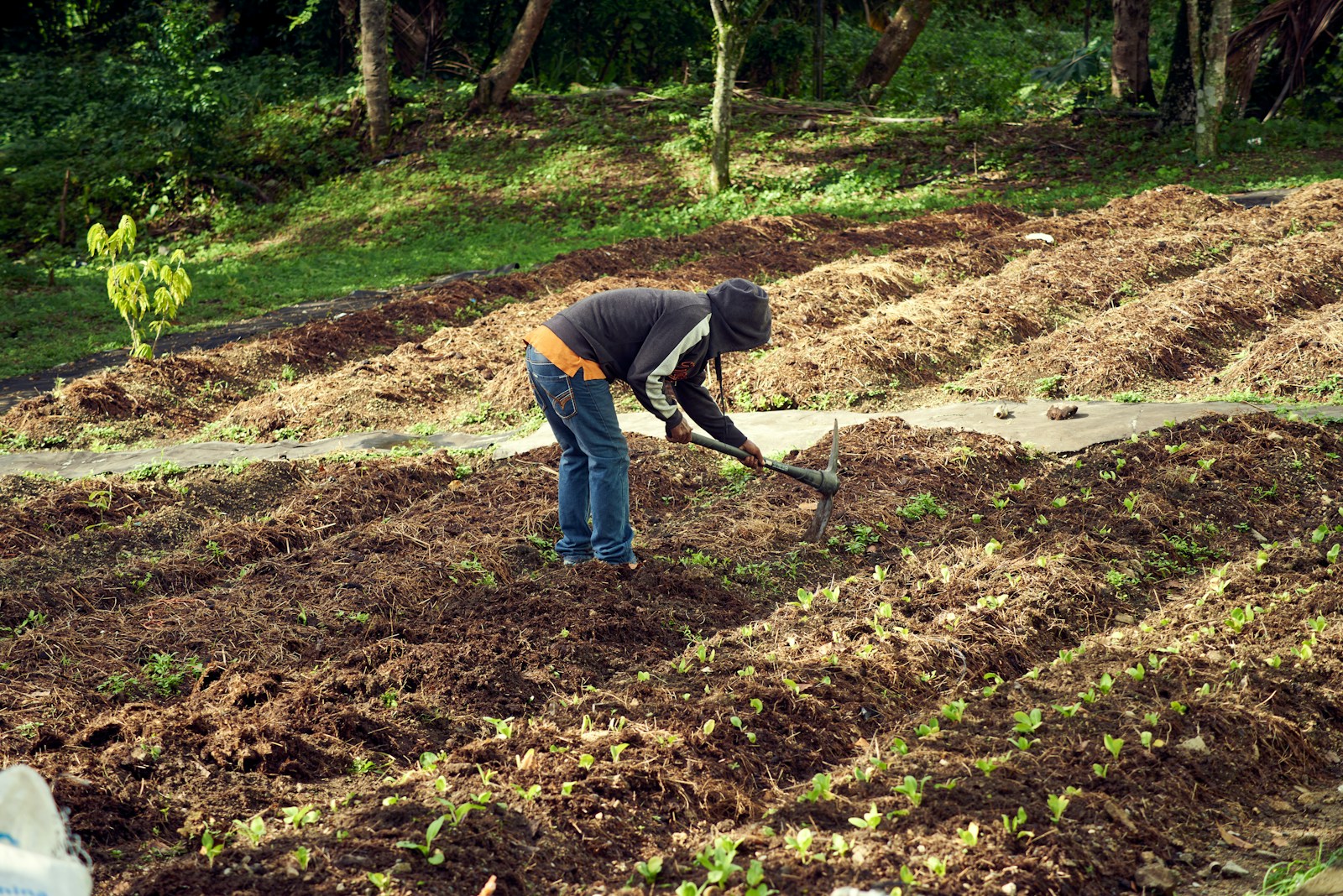
Throwing mulch on top of unprepared soil is a shortcut that can backfire. If you don’t weed, loosen the soil, or add organic matter first, mulch won’t work as well.
Unprepared soil can’t absorb water or nutrients properly. Mulch just sits on top and doesn’t help your plants much.
Take a few extra minutes to get your soil ready. Your plants will have a much better foundation to grow strong.
Failing to pull mulch back from tree trunks, causing bark damage and decay
Mulch that touches tree trunks keeps bark too wet, leading to rot and decay. Once the bark is damaged, diseases and insects can get in easily.
Always pull mulch back a few inches from the base of your trees. This helps the bark stay dry and healthy.
A little breathing room keeps your trees safe from decay and pests.
Choosing non-organic mulch for vegetable or flower beds, which harms soil life
Non-organic mulches like rubber or plastic might last longer, but they don’t feed your soil. Organic mulches break down and add nutrients, helping plants grow stronger.
Non-organic mulch can block water and air, making it tough for earthworms and microbes to survive. Without these helpers, soil becomes less healthy.
For veggies and flowers, organic mulch is the better choice. It keeps your garden’s ecosystem in balance.
Understanding the Popular Mulching Habit
Mulching is everywhere these days and for good reason. It saves water, keeps weeds down, and gives your garden a tidy look.
But just because everyone’s doing it doesn’t mean they’re doing it right. Many gardeners pick up bad habits without realizing the impact.
Mulching works by keeping soil temperatures steady and blocking sunlight from weeds. As organic mulch breaks down, it feeds your soil and helps your plants grow.
Too much mulch or piling it in the wrong spots can trap moisture and suffocate roots. It’s important to leave space around stems and keep mulch layers just a couple inches thick.
Tips for better mulching:
- Spread mulch evenly, not too thick
- Keep mulch away from plant bases
- Pick mulch that suits your climate and soil
- Refresh mulch when it breaks down, but don’t overdo it
A few simple tweaks can help you get all the benefits without the hidden risks.
Potential Risks and Environmental Impact
Mulching can do wonders for your garden, but it’s worth paying attention to the materials you use and how you apply them.
Some mulches can harm soil health or invite pests if used the wrong way. Being mindful of these risks helps you get the most out of your efforts and keeps your plants happy.
Soil Health Concerns
Choosing the right mulch is not as simple as it sounds. Some types, like rubber mulch, might seem convenient because they last for years.
However, rubber mulch does not help your soil become more fertile. Over time, it can even release chemicals that harm your garden.
Even with organic mulch, you can run into problems if you pile it on too thick. A heavy layer can keep water and air from reaching the soil.
Wood chips and straw are popular organic options, but moderation is key. Too much mulch can make the ground soggy, which leads to mold or root rot.
Fresh wood chips in particular can use up nitrogen as they decompose. This means your plants might miss out on important nutrients.
Aim for a thin layer of mulch that lets the soil breathe. Natural, well-aged materials work best for keeping moisture in without causing issues for your plants.
Negative Effects on Plant Roots
Mulch can be a lifesaver for your garden, but it is easy to get wrong. If mulch touches the plant stem or trunk, it creates a damp spot that attracts pests and diseases.
Roots crave both moisture and air. When mulch is too thick, roots might not get enough oxygen, which can slow down growth.
Very dense mulch layers can also make soil temperatures swing too much. This stresses out roots during hot or cold spells.
It helps to keep mulch a few inches away from the base of your plants. This small change can stop decay and pest issues before they start.
Avoid piling on a lot of mulch in spots where water tends to sit. Wet roots are more likely to get damaged and struggle to recover.