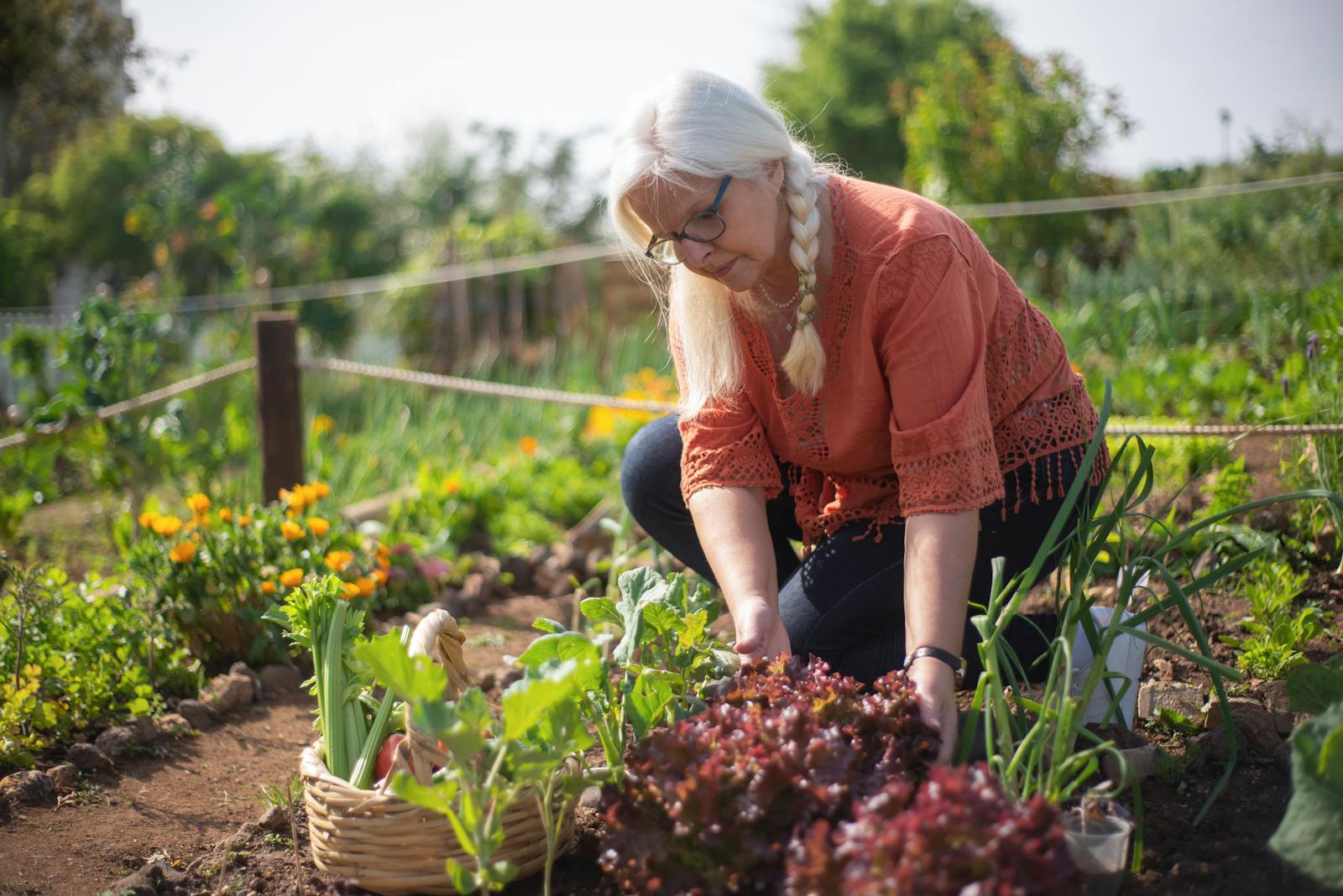
The Reason Some Gardeners Are Abandoning Traditional Vegetable Rows and Embracing Vibrant New Planting Styles
If you’ve ever looked at your veggie patch and wondered if there’s a better way, you’re not alone. Many gardeners are moving away from straight, tidy rows and experimenting with new, creative planting styles.
This change is inviting more color, life, and even more harvest into everyday gardens. It’s a shift that’s making gardening feel fresh and full of possibility.
Improved soil health through no-till methods
No-till gardening skips digging or turning over the soil. This keeps natural soil structures intact, which helps earthworms and microbes thrive.
These tiny creatures break down organic matter and feed your plants. Moisture stays in the soil longer, so plants are less thirsty during dry spells.
No-till also prevents soil erosion by keeping the ground packed and less likely to wash away in heavy rain. Over time, organic matter builds up, boosting the soil’s ability to hold nutrients.
Your plants get stronger and healthier with less effort. It’s a small change that can lead to a big improvement in your harvest.
Encouraging self-seeded herbs and wildflowers
Letting herbs and wildflowers self-seed makes gardening less work and more fun. These plants drop their seeds, so they return each year on their own.
Try leaving some flowers and herbs to go to seed instead of cutting them all back. Gently shake the seed heads to scatter seeds, and leave bare patches for new seedlings.
Wildflowers add color and attract pollinators, while herbs like cilantro, dill, and parsley often self-seed easily. Your garden starts to develop its own rhythm and surprises.
Watching new plants pop up in unexpected places keeps gardening interesting. You’ll see your space come alive in ways you didn’t plan, and that’s part of the joy.
Breaking free from rigid row patterns
Changing how you plant can make your garden feel more alive. Letting plants fill in gaps on their own creates a richer, more natural space.
Wildflowers, herbs, and surprise veggies often show up where you least expect. When you stop forcing everything into lines, helpful insects and birds are more likely to visit.
This approach gives you more freedom to plant densely or use odd corners. Plants can support each other in new ways, sometimes leading to bigger harvests.
If you want a garden that changes and grows with you, try mixing things up and skipping the rows. Gardening becomes more creative and full of surprises.
Maximizing space with staggered planting
Staggered planting is a smart way to get more out of your garden. Instead of planting everything at once, you sow seeds at different times or in patterns that use space better.
This keeps your garden producing fresh vegetables throughout the season. You don’t have to wait for one crop to finish before starting another.
It works especially well for quick growers like lettuce or broccoli. Mixing crops, like tucking lettuce between tomatoes, saves space and helps plants thrive.
Your garden stays full and lively, with something always ready to harvest. It’s a practical way to turn every corner into something delicious.
Reducing pest and disease spread
Changing up how and when you plant can help dodge pest problems. Planting at different times can let you avoid peak pest seasons.
Choosing disease-resistant varieties adds another layer of protection. Mixing different plants together makes it harder for pests to spread.
Cleaning up old plant scraps and removing sick plants quickly keeps diseases from sticking around. These habits mean less work and worry down the line.
Less need for chemicals means your garden stays friendly to bees and other good bugs. You get to enjoy your harvest with fewer headaches.
Creating dynamic, biodiverse ecosystems
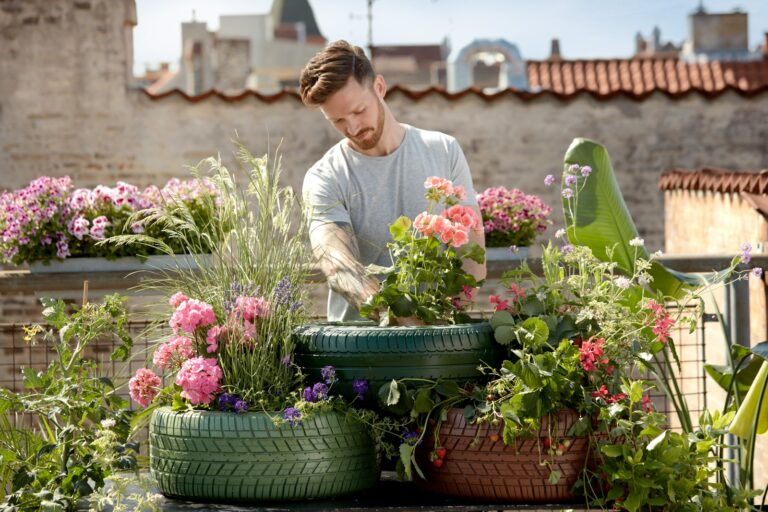
Mixing many types of plants instead of sticking to rows turns your garden into a lively ecosystem. Different plants, insects, and animals support each other and keep the space buzzing.
Planting a variety of species invites pollinators and pest-eating insects. This natural balance helps your garden flourish without extra chemicals.
Native plants thrive in your local soil and climate, making them easy to grow. They also offer food and shelter for local wildlife, turning your garden into a mini habitat.
A diverse garden stands up better to weather swings and pests. You’ll spend less time fixing problems and more time enjoying a vibrant, ever-changing space.
Better yield with quincunx layout
Want to get more from your garden? The quincunx layout, which arranges plants like the five dots on dice, can help.
This pattern uses space more efficiently than straight rows. Plants get more sunlight and airflow, which means fewer fungal problems and healthier growth.
Roots have more room to spread out, leading to stronger plants. Many gardeners see up to 20 percent more produce with this method.
The layout also looks fresh and organized, giving your garden a lively new feel. It’s a simple tweak that can make a noticeable difference in your harvest.
Easier access to clustered plants
Clustering your plants makes getting around the garden much simpler. You don’t have to tiptoe between long rows or stretch awkwardly to reach the middle.
With plants grouped together, you can water, prune, and harvest several at once. This saves time and keeps gardening comfortable.
Clustered planting gives your space a cozy, inviting feel. You can reach your favorite veggies quickly, making the whole process more enjoyable.
When plants grow close, they often help each other out. Your garden thrives, and you do too.
More efficient water use in row-less setups
Row-less gardening can help you save water. Placing plants closer together shades the soil, reducing evaporation.
Drip irrigation works well in these gardens, delivering water right to the roots. You can design your layout so plants with similar water needs are grouped together.
This way, you waste less water and keep your garden healthier. Row-less setups let you be creative and resourceful, making every drop count.
Your garden stays green and productive, even when water is scarce.
Adaptation to harsh climates with sunken beds
If you’re gardening in a hot, dry area, sunken beds can make a big difference. These beds sit below ground level, catching and holding water better than traditional rows.
Roots stay cooler in sunken beds, helping plants handle heat. The lower soil level keeps moisture in and stress out.
You’ll find yourself watering less, since water doesn’t run off as easily. Digging just a few inches down can help your garden stay hydrated and healthy.
Sunken beds are a simple way to adapt to tough weather and still enjoy a thriving garden.
Understanding the Downsides of Traditional Vegetable Rows
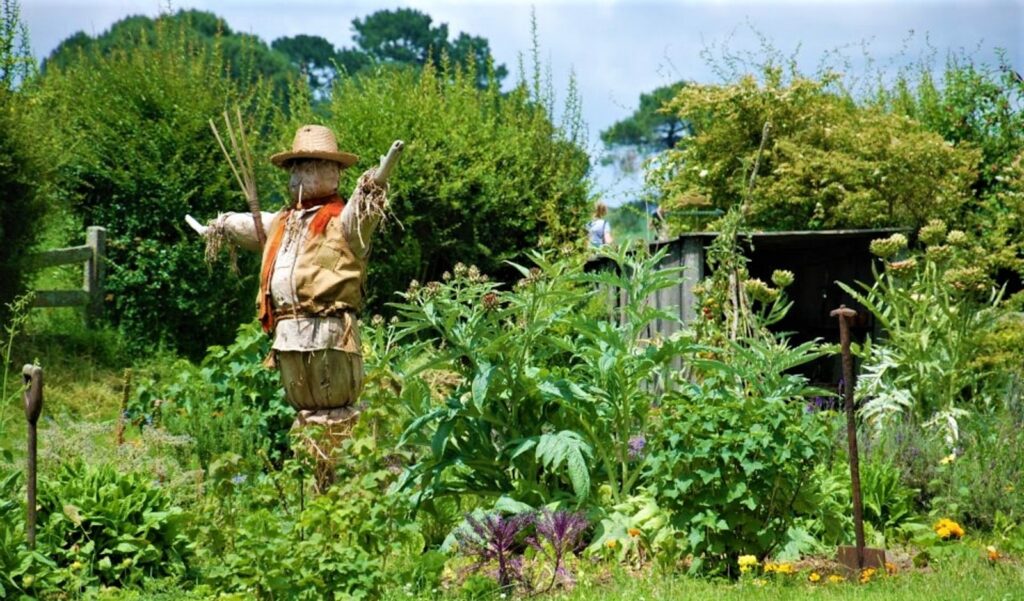
Sticking with row planting can bring some headaches. Compacted soil and wasted water are common problems that make gardening harder than it needs to be.
Soil Health Challenges
Walking and working between rows can pack down the soil. This makes it tough for roots to grow and for air to move through the ground.
Bare soil between rows dries out faster and gives weeds a place to take over. You end up spending more time pulling weeds and fighting for healthy soil.
It’s easier to keep soil loose and rich when more plants share the space and cover the ground. Traditional rows often miss out on this benefit.
Water Efficiency Concerns
Wide gaps between rows mean water evaporates quickly. When you water, much of it never reaches the roots.
This can lead to watering more often and still seeing thirsty plants. In hot weather, the problem only gets worse.
Water can also pool unevenly, leaving some plants soaked and others dry. Uneven watering stresses your garden and can invite disease.
Clustering plants helps keep moisture in and lets roots soak up water more evenly. Your garden stays hydrated and healthier with less effort.
Innovative Gardening Layouts Gaining Momentum
Gardeners are discovering new layouts that make growing food easier and more rewarding. These styles are all about saving space, improving soil, and getting more from every inch.
Raised Beds and Intensive Planting
Raised beds give you control over soil quality and drainage. Roots grow stronger in loose, warm soil, and you can plant closer together for higher yields.
Watering is easier since raised beds drain well and don’t pool. Fewer weeds and pests show up compared to traditional rows.
You’ll notice faster growth and more veggies in less space. Raised beds are especially helpful if your ground soil is tough to work with.
Permaculture-Inspired Designs
Think about how nature works in the wild. Permaculture designs bring this idea into your own backyard by mixing plants that help each other grow.
Instead of planting the same crop in every row, you combine different species together. This method can involve stacking taller plants over shorter ones and adding ground covers to keep the soil moist.
You end up using less water and fertilizer. Biodiversity increases, so bugs that harm plants have fewer chances to take over.
Your vegetable garden slowly transforms into a thriving mini ecosystem. You get a wider variety of harvests with less effort.