The Right Way to Repot Your Plants: A Simple Rule for Success
Repotting plants is one of those gardening tasks that can feel daunting, especially for beginners. Many home gardeners make mistakes that can stress their plants, leading to poor growth or even death. But fear not! With a few straightforward guidelines, you can repot your plants effectively and give them the best chance to thrive. Here’s the simple rule that works and everything you need to know about repotting.
Understanding When to Repot
Knowing when to repot is a critical first step. You might need to repot your plants when:
Roots are growing out of drainage holes: If you notice roots protruding from the bottom of the pot, it’s time for a larger container.
Water doesn’t absorb: If the water pools on top of the soil and doesn’t seep through, the soil may be compacted or the plant root-bound.
Growth has stalled: If your plant has stopped growing or producing leaves, it may be time for a new pot and fresh soil.
The best time to repot most plants is during their active growth period, which generally falls in spring or early summer. This is when they can best recover from the shock of being moved. However, some plants may benefit from repotting in the fall before they enter dormancy, especially if they are root-bound.
The Simple Rule for Repotting
The simple rule to remember when repotting is: “One pot size larger, with fresh soil.” This means choosing a pot that is only one size larger than the current one, which is typically 1-2 inches wider in diameter. Opting for too large a pot can lead to water retention and root rot because the plant may struggle to absorb nutrients from the overly abundant soil.
Fresh soil is essential because it provides nutrients and improves drainage. Using old soil can introduce pests, diseases, and compactness, which hinder root growth.
Steps to Repot Your Plants
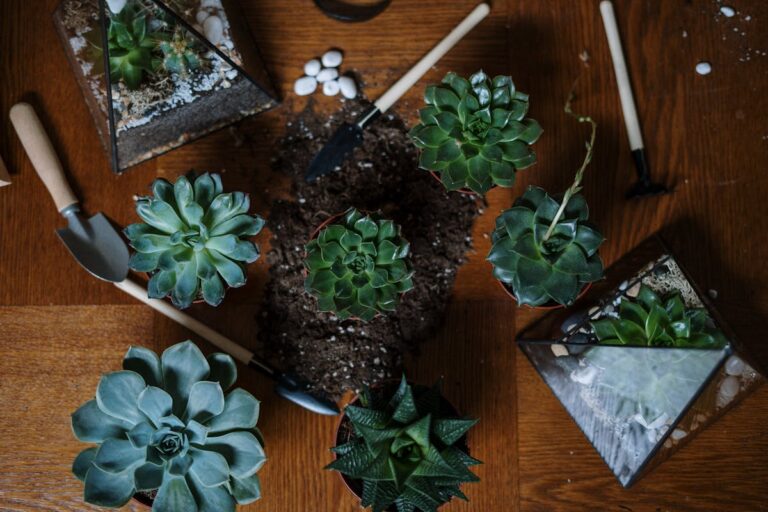
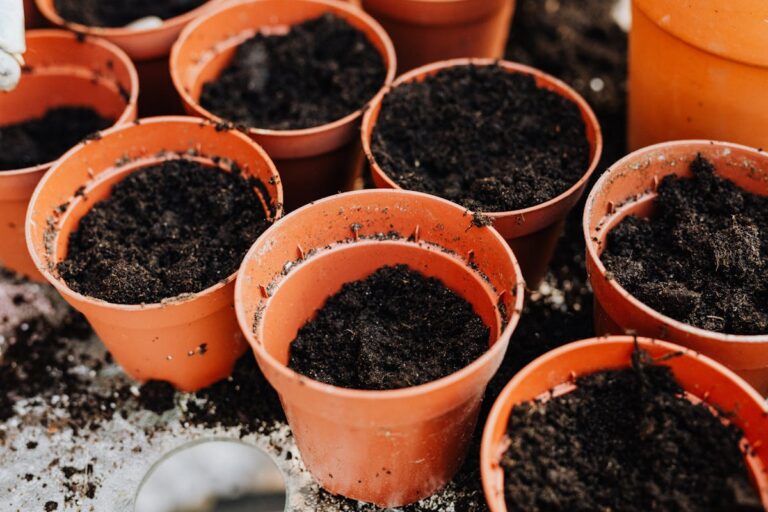
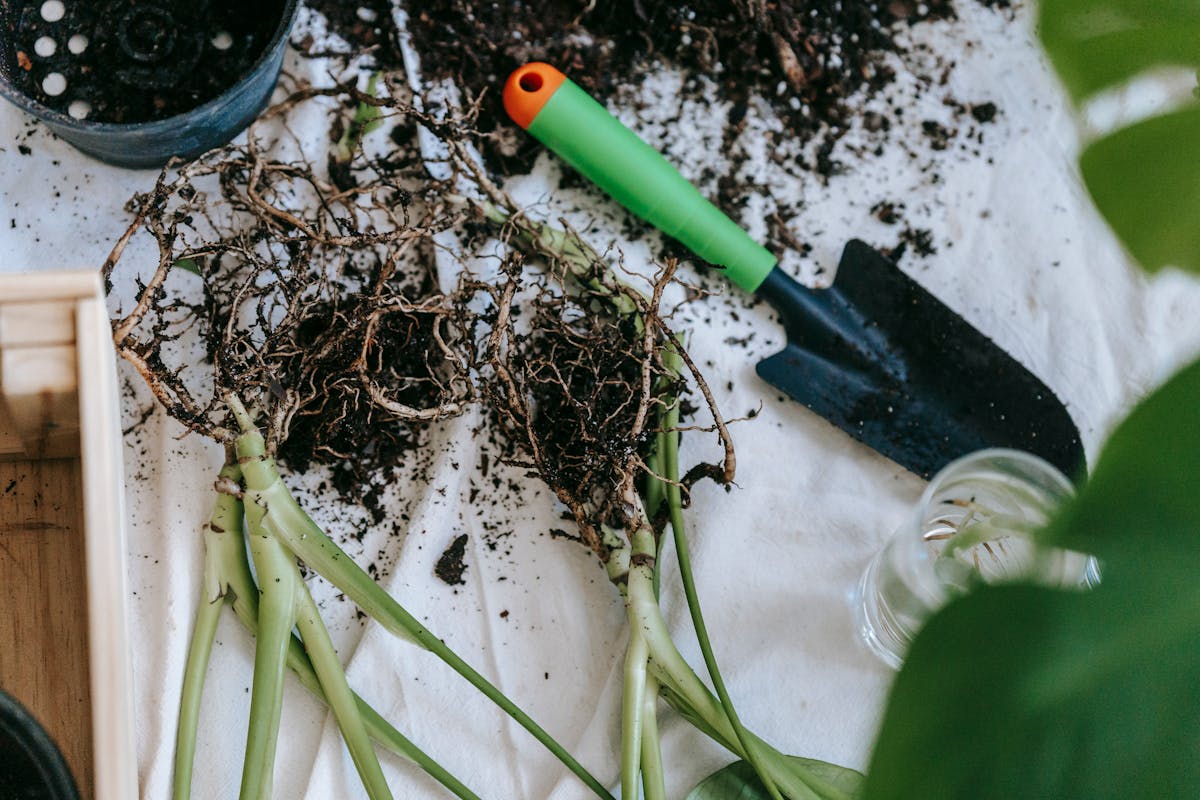
1. Gather Your Supplies: You will need a new pot (1-2 inches wider), fresh potting soil, a trowel, scissors, and possibly a watering can.
2. Select the Right Pot: Ensure your new pot has good drainage holes. Terracotta pots are excellent for moisture control, while plastic pots can retain moisture longer, which may be beneficial for certain plants.
3. Prepare Your Plant: Water the plant a day before repotting. This helps minimize stress and makes it easier to remove from its old pot. Gently squeeze the sides of the pot to loosen the roots.
4. Remove the Plant: Carefully pull the plant out by the base, avoiding damage to the stem and roots. If the roots are tightly bound, you may need to make a few cuts to free them.
5. Inspect the Roots: Check for any dead or rotting roots and trim them away with clean scissors. Healthy roots should be firm and white.
6. Add Fresh Soil: Place a layer of fresh potting soil in the bottom of the new pot. Position the plant in the center, adding more soil around the sides. Ensure that the top of the root ball is level with the rim of the pot to avoid overwatering.
7. Water Thoroughly: After repotting, water the plant thoroughly until water drains from the bottom. This helps settle the soil around the roots.
8. Post-Repotting Care: Place the repotted plant in a shaded area for a few days to allow it to adjust to its new environment. Gradually reintroduce it to direct sunlight if it’s a sun-loving plant.
Common Mistakes to Avoid
Repotting Too Often: Many gardeners think they need to repot every year, but this is not necessary unless the plant is showing signs of being root-bound or unhealthy. Aim for every 1-2 years for most houseplants.
Choosing the Wrong Soil: Not all plants thrive in the same type of soil. Research your specific plant’s needs; for example, succulents and cacti require well-draining soil, while ferns prefer more moisture-retaining soil.
Repotting During Dormancy: Avoid repotting plants during their dormant phase (often in winter for many species), as this can shock the plant and hinder growth.
Ignoring Pests: Before repotting, inspect for pests and diseases. Repotting is an excellent opportunity to treat any issues before placing the plant in a new environment.
Conclusion
Repotting may seem intimidating, but with the right knowledge and a simple rule, you can provide your plants with the care they need to flourish. Remember to choose a pot that is one size larger and use fresh soil to avoid common pitfalls. With these tips in mind, you’ll be well on your way to keeping your plants healthy and thriving in their new homes! Happy gardening!