The Secret to Growing Citrus Indoors When You Live in a Cold Climate
There’s something special about picking a fresh lemon or orange right from your own living room. If you’ve ever wished you could grow citrus but worry your cold climate will get in the way, you’re not alone.
Even without a sunny backyard or tropical weather, you can still enjoy the bright flavors and colors of citrus indoors. With a little know-how, you’ll be growing healthy, fruiting trees right by your window.
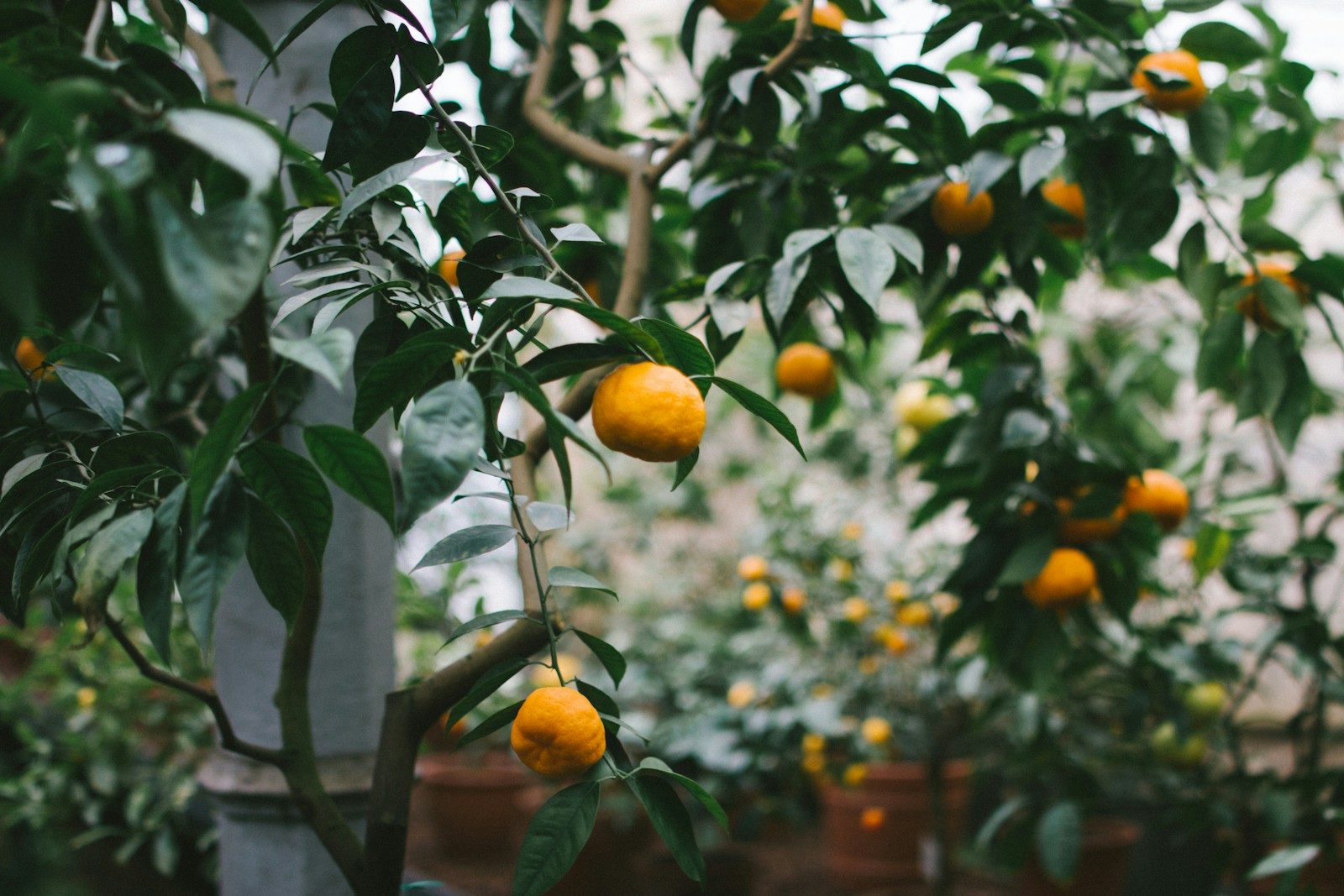
Choose cold-hardy varieties like Satsuma Mandarin or Meiwa Kumquat

Picking the right citrus variety is the first step to success. Cold-hardy types like Satsuma Mandarin or Meiwa Kumquat are better suited for life indoors in cooler climates.
Satsuma Mandarins are known for their sweet, seedless fruit and compact size. Meiwa Kumquats are also a good choice, with their unique tart flavor and ability to handle cooler temperatures.
These varieties are easier to manage indoors and less likely to struggle when temperatures dip. Their smaller size makes them a breeze to move if you need to shift them for extra protection.
Even if your home isn’t toasty year-round, these trees can keep producing. Start with a cold-hardy option and you’ll set yourself up for a thriving indoor citrus experience.
Use large containers for easy indoor mobility
A roomy container gives your citrus tree space to grow and helps its roots stay healthy. More soil means better moisture control and stronger growth.
Large pots also let you move your tree indoors when the temperature drops. It’s much simpler to roll or carry a big container to a sunny spot than to dig up a tree from the ground.
Make sure your pot has good drainage holes. This keeps water from pooling and causing root rot.
Choosing a lightweight container makes seasonal moves less of a hassle. With the right pot, you’ll have happy roots and juicy fruit, even when it’s cold outside.
Place citrus trees by south-facing windows for max sunlight
Citrus trees crave sunlight, so finding the brightest spot in your home is key. A south-facing window is your best bet for maximum light.
Aim for 8 to 12 hours of sun each day to keep your tree healthy and productive. If your tree isn’t getting enough light, it might grow slowly or skip fruiting altogether.
In winter, sunlight can be scarce, making a sunny window even more important. Keep your tree away from cold drafts near windows to avoid stressing it.
Give your citrus the best seat in the house and watch it brighten your space, and maybe even your mood, through the darkest months.
Supplement natural light with LED grow lights
When sunlight just isn’t enough, especially during the short days of winter, LED grow lights can make a big difference. These lights provide the full spectrum your citrus tree needs to stay healthy.
LED grow lights are energy-efficient and easy to set up. They help your tree keep growing and even blooming, even when the weather outside is gloomy.
Set your lights on a timer to mimic natural daylight hours. Adjustable heights and timers give you control over your tree’s environment.
Adding grow lights means you don’t have to worry about cloudy days or long nights. Your citrus will keep thriving, giving you fresh fruit no matter the season.
Keep indoor humidity around 50-60% with humidifiers
Indoor air can get dry, especially when it’s cold outside and the heat is on. Citrus trees like a bit of moisture in the air, so keeping humidity around 50 to 60% helps them feel at home.
A small humidifier in the same room as your tree can make a big difference. Too much humidity isn’t good either, so aim for that sweet spot.
Check the humidity with a hygrometer to make sure you’re in the right range. Place your humidifier nearby and let your citrus tree soak up the comfort.
This simple step keeps leaves glossy and helps prevent problems like leaf drop or dry edges.
Water only when the top inch of soil is dry to prevent root rot
Citrus roots don’t like to sit in soggy soil. The best way to avoid root rot is to water only when the top inch of soil is dry.
Stick your finger into the soil to check for moisture. If it feels dry an inch down, it’s time to water.
Letting the soil dry out a bit between waterings gives roots the oxygen they need. Well-draining soil and a container with drainage holes help, too.
This routine keeps your citrus healthy and makes overwatering much less likely.
Apply citrus-specific fertilizer every 6-8 weeks

Feeding your citrus tree is important for strong growth and fruit production. Use a fertilizer made for citrus plants, which has the right nutrients for healthy leaves and fruit.
Fertilize every 6 to 8 weeks during the growing season, usually from spring through fall. Skip feeding in late summer and winter when your tree is resting.
Always water after fertilizing to help nutrients reach the roots. Following this schedule will keep your tree looking and producing its best.
Bring trees indoors before the first frost hits
As the weather cools down, pay close attention to nighttime temperatures. When they start dipping below 50°F, it’s time to bring your citrus trees inside.
Frost can quickly damage leaves and roots, so don’t wait for it to happen. Moving your tree indoors before the first cold snap helps it adjust and stay healthy.
Find a bright spot inside, away from drafts, to help your tree settle in. A little planning now saves you from heartbreak later.
Prune regularly to maintain shape and air circulation
Pruning helps keep your citrus tree the right size for your space. It also encourages good air movement through the branches, which helps prevent pests and disease.
Trim away dead or crowded branches as needed. Light pruning throughout the year keeps your tree looking tidy and encourages new growth.
You don’t have to wait for a specific season, just avoid heavy pruning when the tree is growing quickly. A well-shaped tree is easier to care for and more likely to reward you with fruit.
Use well-draining potting mix with good airflow
Citrus trees need soil that lets water drain easily and air reach the roots. A mix containing perlite, sand, or peat works well.
You can buy a citrus-specific potting mix or make your own by blending regular potting soil with coarse sand and perlite.
Good drainage prevents root rot and keeps your tree’s roots healthy. The right mix is just as important as sunlight and water.
Mastering the Ideal Indoor Environment
Getting the indoor environment right makes all the difference for your citrus trees. Focus on bright light, steady warmth, and comfortable humidity to help your tree flourish.
Lighting Strategies for Thriving Citrus
Your citrus tree needs between 6 and 12 hours of bright light each day. A south-facing window is ideal, but grow lights can fill in the gaps during darker months.
Keep the light source close but not too close—about a foot above the leaves is usually perfect. Rotate your tree every few days so each side gets equal exposure.
Maintaining Consistent Temperature and Humidity
Citrus trees like temperatures between 65°F and 75°F. Avoid placing them near cold drafts or heat vents.
Humidity should stay between 40 and 60 percent. Use a humidifier or set a tray of water nearby if your home gets dry.
Stable conditions help your tree stay comfortable and productive all year.
Overcoming Common Challenges
Growing citrus indoors can bring a few challenges, but with some attention and quick action, you can keep your tree happy and healthy.
Preventing Pests and Diseases
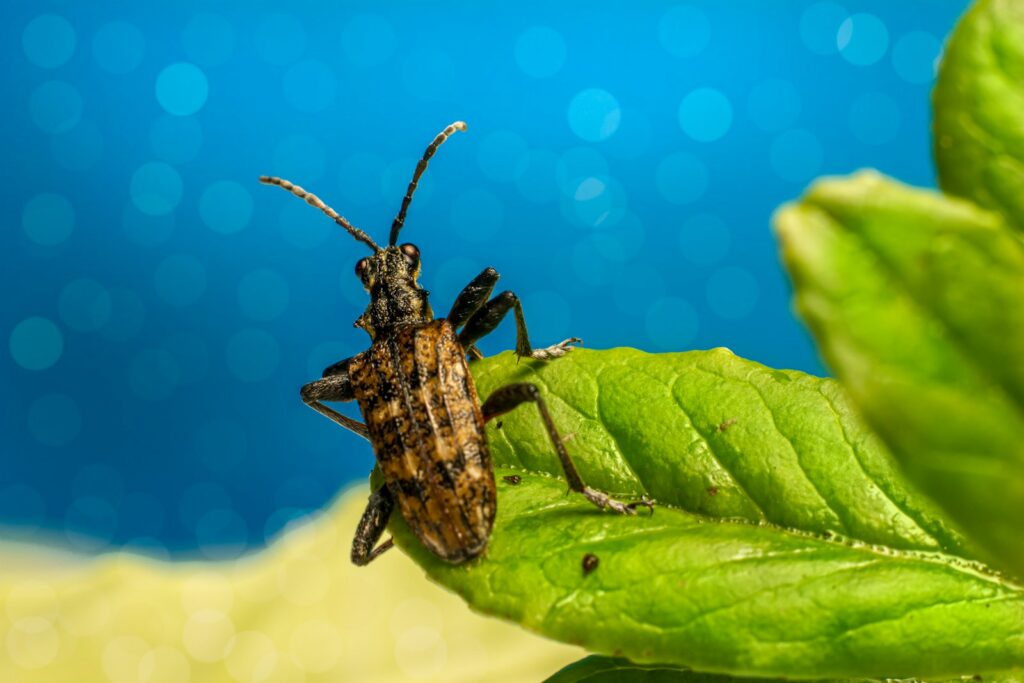
Keep an eye out for pests like spider mites, scale, and aphids. Check under leaves and along stems regularly.
If you spot bugs, wipe the leaves with soapy water or use a gentle natural spray. Good air circulation and the right watering routine help prevent disease.
Sticking to proper humidity and watering only when needed keeps your citrus tree strong and less likely to attract problems.
Navigating Dormancy and Growth Cycles
If you have a citrus tree indoors, you might notice it seems quieter during the colder months. Fewer new leaves or flowers appear, and growth slows down.
This is a normal part of the cycle where your tree is simply resting. When this happens, it is a good idea to cut back on watering and hold off on fertilizer.
Trying to feed or water too much during this time can actually stress your tree. As the weather warms up and days get longer, your citrus tree will perk up and start growing again.
Make sure your tree gets plenty of light, aiming for 6 to 12 hours each day. If your space does not get enough sunlight, a grow light can help keep your tree healthy and ready for fruit when it starts growing again.