The Spring Gardening Task Many People Skip and Regret Later That Will Transform Your Garden!
With the first signs of spring, it’s tempting to jump right into planting and pruning. The energy is high and everyone wants a beautiful yard as soon as possible.
But there’s one task that often gets ignored in the rush, and skipping it can create headaches for months.
Skipping this key spring gardening task can lead to problems like weeds, pests, and weakened plants down the line. Paying attention to it early helps you build a stronger and healthier garden all season long.
Thorough removal of winter debris
Leftover leaves and branches might not seem like a big deal, but clearing them out is essential for a healthy garden. Winter debris can hide pests and diseases that easily spread once spring arrives.
When you clean your garden, focus on dead plants, fallen branches, and soggy leaves. These can trap moisture and cause fungi to grow.
Take your time to rake and dispose of everything well. This gives your soil fresh air and room to breathe.
Early soil testing and amendment
Testing your soil early in the spring can save you a lot of trouble later. Checking the pH and nutrient levels helps you know exactly what your soil needs.
It’s smart to grab a simple soil test kit or send a sample to a lab. When you get the results, you’ll find out if your soil is too acidic or too alkaline.
Then, you can add the right amendments like lime to raise pH or sulfur to lower it. If your soil lacks key elements like nitrogen or phosphorus, you can add compost or organic fertilizers.
Doing this early gives your amendments time to work before planting. This step is often skipped, but it makes a big difference in how well your garden grows.
Pruning spent branches and dead growth
Leaving old branches on your plants can actually hold them back. Cutting them back in spring clears space for new shoots and helps your plants stay strong and healthy.
When you prune spent branches, you also improve air circulation. This cuts down on the risk of disease and lets sunlight reach the leaves better.
Don’t worry about hurting your plants by pruning early in spring. Many plants are still dormant, so you won’t disturb new growth.
Get ready with clean, sharp tools and focus on dead or damaged branches first. It’s a simple step, but it can lead to more vibrant and healthier plants throughout the year.
Mulching to suppress weeds
Mulching is one of the best ways you can stop weeds before they start. When you spread a 2 to 3 inch layer of mulch, it blocks sunlight from reaching weed seeds.
You’ll love how mulch makes your garden look tidy while doing the hard work of weed control. It keeps weeds from stealing water and nutrients from your plants.
Spring is the best time to add mulch. Putting it down before weeds begin growing gives you the upper hand.
Plus, mulching protects the soil in your garden. It keeps moisture in and helps keep your garden beds at a steady temperature.
This makes your plants feel more comfortable and ready to thrive. Once you mulch, you’ll wonder why you ever skipped this simple step.
Preemptive pest control treatment
Pests can sneak up on your garden before you even notice. Treating your garden before pests show up helps stop them from taking over later.
When you act ahead of time, you keep harmful insects from laying eggs or spreading diseases. You can use natural methods like planting pest repelling plants or applying eco friendly sprays.
Physical barriers like row covers also block pests from getting to your plants. These simple steps create a strong defense for your garden right from the start.
Your plants get a better chance to thrive without damage. It’s an easy way to protect your garden and enjoy a great harvest.
Cleaning and sharpening garden tools
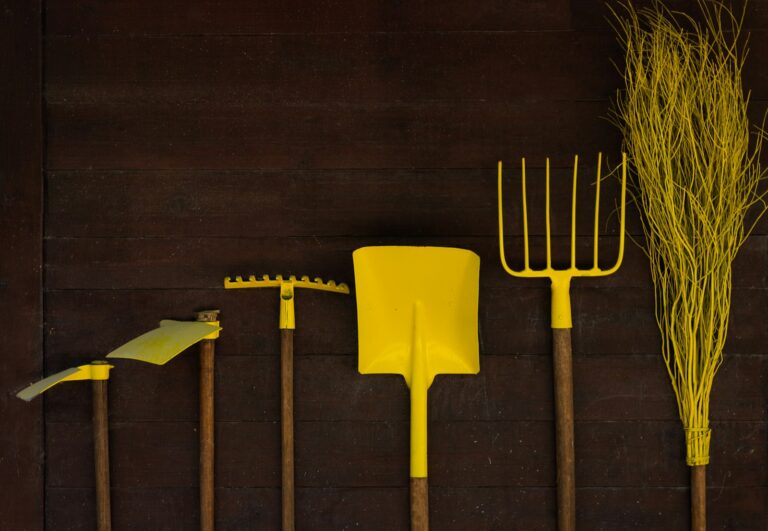
It’s easy to overlook tool care after winter, but cleaning and sharpening your garden tools makes a huge difference. When your tools are clean, they work much better.
Dirt and sap can build up and cause rust or damage if left for too long. Sharpening makes cutting easier and helps plants heal quicker.
Take a little time now to scrub off soil and old debris. Use a wire brush or soapy water to get them spotless.
After cleaning, sharpen blades with a file or sharpening stone. Don’t forget to oil metal parts after cleaning.
Good care means your tools last longer and make your gardening smoother. You’ll be thankful when spring planting feels like a breeze.
Dividing and transplanting perennials
Spring is a great time for dividing and transplanting your perennials. When you see new growth about 2 to 3 inches tall, it’s a good sign to start.
You want to wait until after the last frost to divide perennials. This protects the young roots from freezing.
Make sure the soil is easy to work by watering a day or two before you dig. Use sharp, clean tools like a garden fork or spade to carefully split the clumps.
Dividing every 3 to 5 years stops perennials from getting crowded and tired. After dividing, replant them in fresh soil where they have plenty of space to grow.
Transplanting gives your garden a fresh start. Your plants will thank you with more flowers and stronger growth.
Starting seeds indoors for early bloom
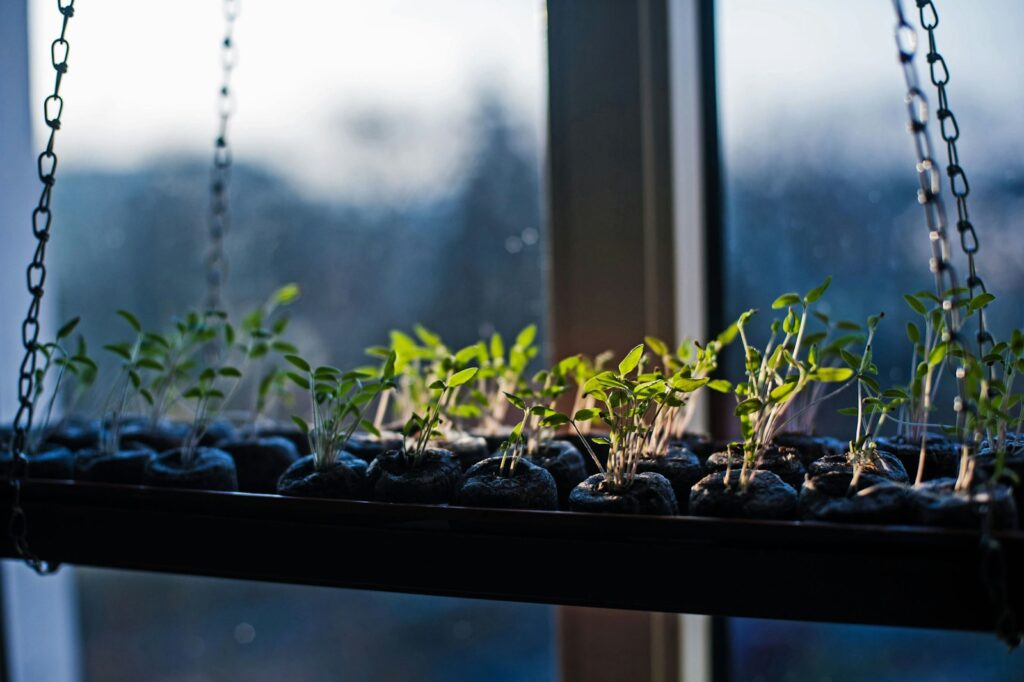
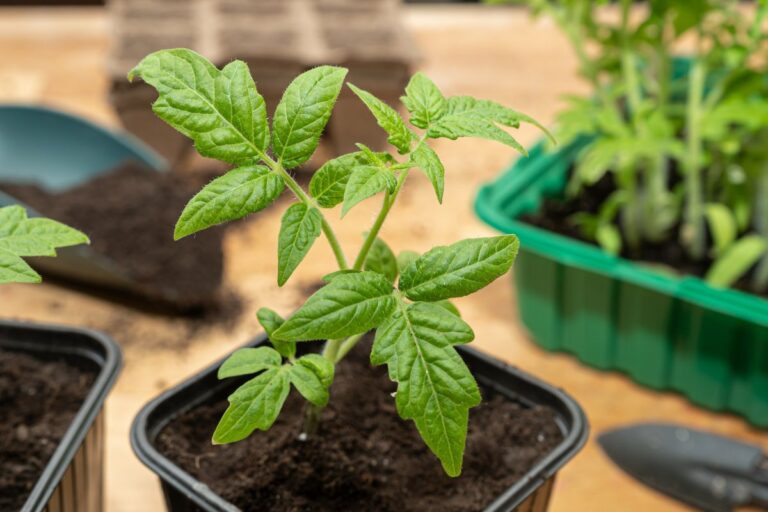
Getting a jump on the season is always exciting. Starting seeds indoors lets your flowers and vegetables begin growing before the weather is warm enough outside.
This means they bloom and produce faster once you move them outdoors. Starting seeds indoors is easy and gives you more control over the growing process.
You can choose the best location with enough light and warmth. Your plants won’t have to compete with weeds or harsh weather.
Indoor seed starting works great for many plants like tomatoes, peppers, and flowers. By the time spring arrives, your seedlings will be strong and ready for the garden.
Don’t wait for outdoor soil to warm up. Give your plants a boost with indoor seed starting and watch your garden come alive sooner than you thought possible.
Composting leftover plant material
You might be surprised how much leftover plant material you create after spring cleanup. Instead of throwing it away, composting these scraps gives them new life as rich soil for your garden.
When you compost leaves, clippings, and other garden waste, they break down naturally with the help of tiny organisms. These microbes need oxygen and moisture to do their work.
By turning your pile regularly, you help air get in and speed up the process. Composting saves you money too.
You won’t have to buy as much fertilizer or soil conditioner. Plus, it reduces waste that would otherwise end up in the landfill.
Start by collecting your spring yard waste in a bin or a simple pile. Keep things balanced by mixing green materials, like fresh trimmings, with browns such as dry leaves.
With just a little effort, you’ll turn your plant leftovers into garden gold.
Checking irrigation systems for leaks
As days warm up, your irrigation system needs a careful check for leaks. Leaks can waste water and cause dry spots in your garden.
Start by turning on your irrigation system. Watch each sprinkler head and drip line closely.
Look for water pooling on the ground or spraying where it shouldn’t. Small drips might be easy to miss, so take your time.
Next, listen carefully. Sometimes leaks make a hissing or dripping sound.
If you hear anything unusual, that’s a good sign to dig deeper. Check the pipes and connections for cracks or loose fittings.
Fixing leaks is easier if you find them now. Even a tiny leak can add up to gallons of wasted water.
Taking a few minutes to inspect your system will help it run smoothly all season long. You’ll be ready to keep your garden fresh and thriving.
Proactive Tips for Staying on Track
Keeping up with spring gardening tasks takes planning and good habits. You need to make tricky chores simpler and remember when the best time is to do them.
This will help you avoid skipping important work that your garden needs to thrive.
How to Make This Chore Easier
Break the job into small steps. Instead of trying to do everything at once, focus on one area, like cleaning tools or clearing debris.
Use a checklist to mark off what you’ve done, so you stay motivated. Gather all the supplies before you start to cut down on distractions.
For pruning, use sharp, comfortable tools that make the work quicker. Wearing gloves and kneepads can keep you comfortable too.
Try setting a timer for short bursts of work, like 20 minutes. This keeps chores from feeling overwhelming.
You’ll make steady progress without burning out.
Seasonal Reminders for Busy Gardeners
Life gets hectic, and gardening tasks can easily slip your mind. One way to stay ahead is by setting alerts on your phone or calendar for important dates.
Maybe you want a nudge to prune shrubs before the buds open. Or perhaps a reminder to start seeds indoors just as the season shifts.
Breaking down your spring chores into early, middle, and late sections can make everything feel more manageable. Here’s a simple breakdown:
| Period | Tasks to Remember |
|---|---|
| Early Spring | Clean up beds, sharpen tools |
| Mid Spring | Prune shrubs, start planting seeds |
| Late Spring | Mulch, fertilize, weed |
Reminders can help you tackle each task right on time. This way, your garden stays healthy even when your schedule is packed.