The Spring Potting Habit That Could Sabotage Your Garden: Here’s What You Need to Know
Spring is an exciting time for gardeners. The days grow longer, temperatures rise, and the promise of vibrant blooms and lush foliage is just around the corner. As you prepare for the growing season, you might be tempted to jump into potting your plants early. While enthusiasm is essential, there’s one common potting habit that can often backfire, leaving your garden less than ideal. Let’s explore this practice, why it might not be as beneficial as you think, and how to pot your plants successfully this spring.
The Temptation of Early Potting
As the last remnants of winter fade away, many gardeners feel an overwhelming urge to pot their seedlings or transplant their outdoor plants. The idea is simple: potting early will give your plants a head start, allowing them to establish roots and grow more robustly when the weather is finally suitable. However, this eagerness can lead to a series of problems that can thwart your gardening goals.
The Problem with Early Potting
1. Temperature Sensitivity: Most plants have specific temperature requirements for healthy growth. If you pot your plants too early, especially in the cooler regions of North America, you risk exposing them to chilly temperatures that can stunt their growth or even kill them. For instance, in USDA Zones 3-5, planting too early can lead to frost damage, while in warmer zones, like 7-9, the risk of heat stress can be significant if plants are brought out too soon.
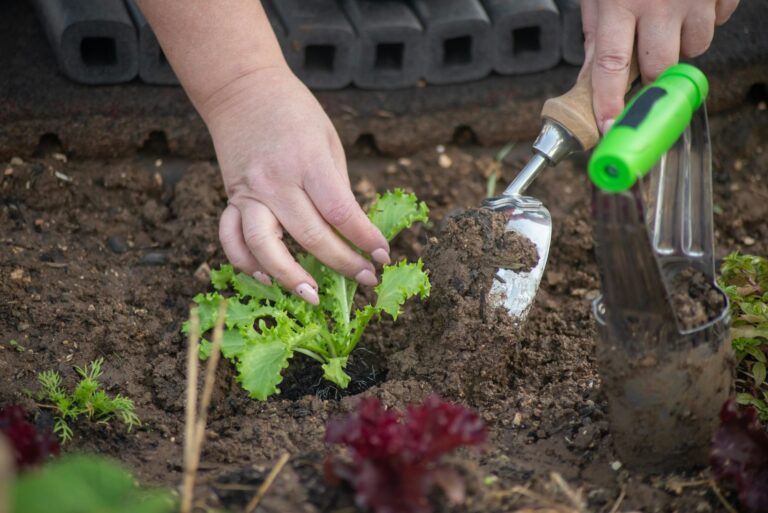
2. Root Development Issues: When young plants are potted before they’re ready, their roots may not be sufficiently developed to handle the stress of transplanting. This can lead to root shock, where the plant struggles to adapt to its new environment, resulting in stunted growth or even death. Ideally, you want your plants to have a strong root system before moving them to larger pots or outdoors.
3. Pest and Disease Vulnerability: Early potting can also expose young plants to pests and diseases. As they are more vulnerable during the early growth stages, they might not have the resilience to handle pests like aphids or diseases such as damping-off. Waiting until conditions are more favorable can help reduce these risks.
4. Soil and Watering Confusion: Potting too early can create confusion about watering needs. In cooler temperatures, the soil in pots may stay wet longer. Overwatering is one of the most common mistakes gardeners make, leading to root rot and other issues. It’s essential to gauge the moisture levels accurately before and after potting.
Timing is Everything
So, when is the right time to pot your plants? It largely depends on the type of plants you’re working with and your local climate conditions. Here are some general guidelines:
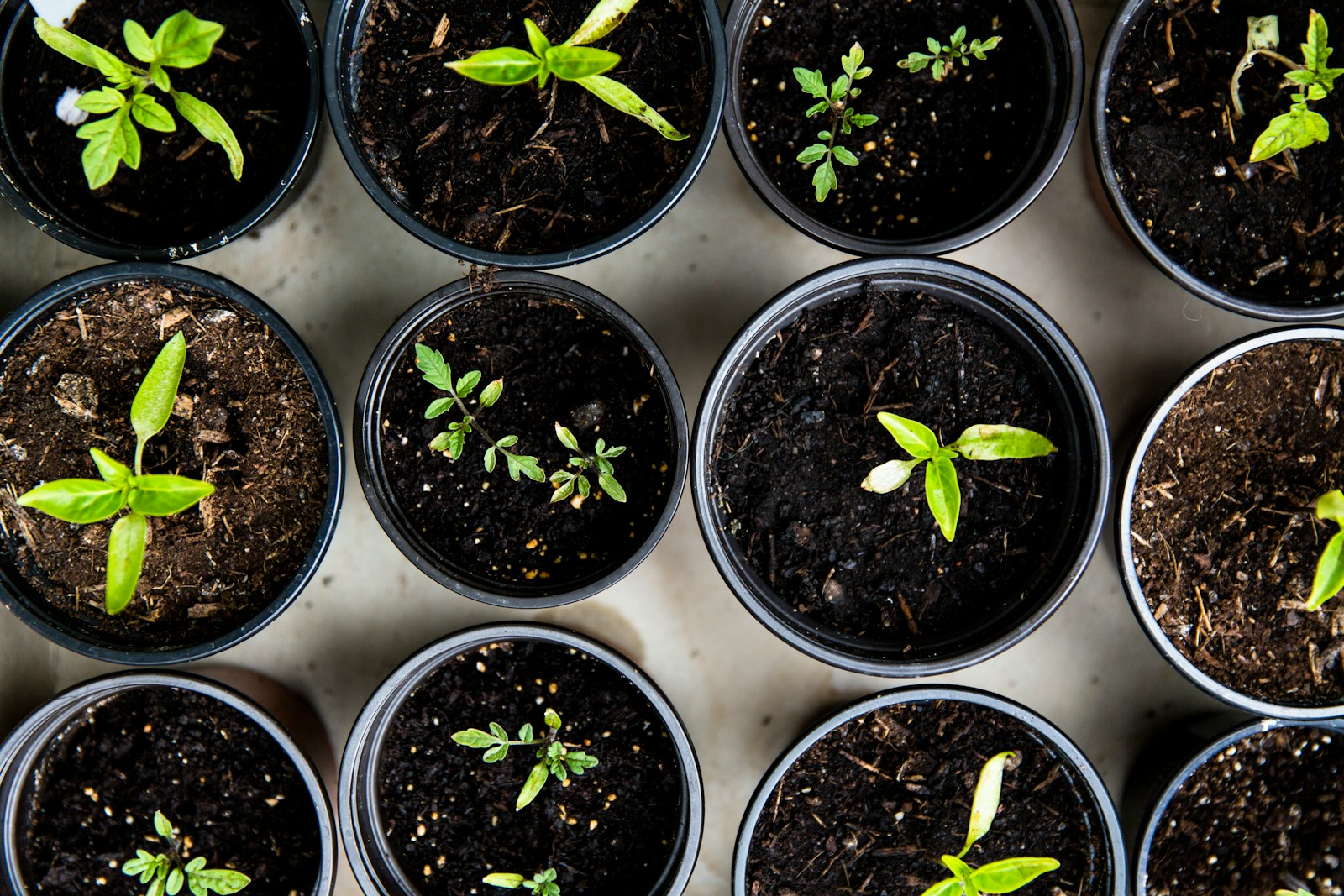
For Seedlings: Start your seeds indoors 6-8 weeks before your last expected frost date. Once they have their first set of true leaves, you can begin to acclimate them to outdoor conditions through a process called hardening off. This typically takes 7-14 days.
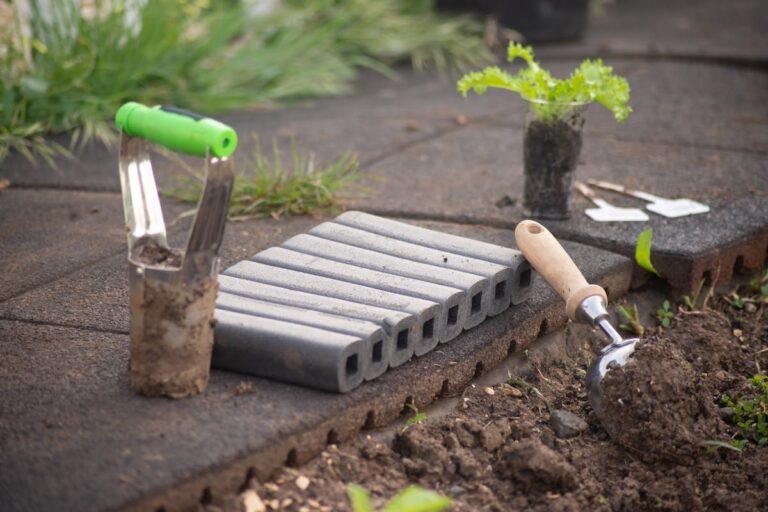
Transplanting: Wait until the soil temperature is consistently above 60°F (15°C) for most vegetables and flowers before transplanting outdoors. This can vary based on your USDA zone, so check local gardening resources for more precise timing.
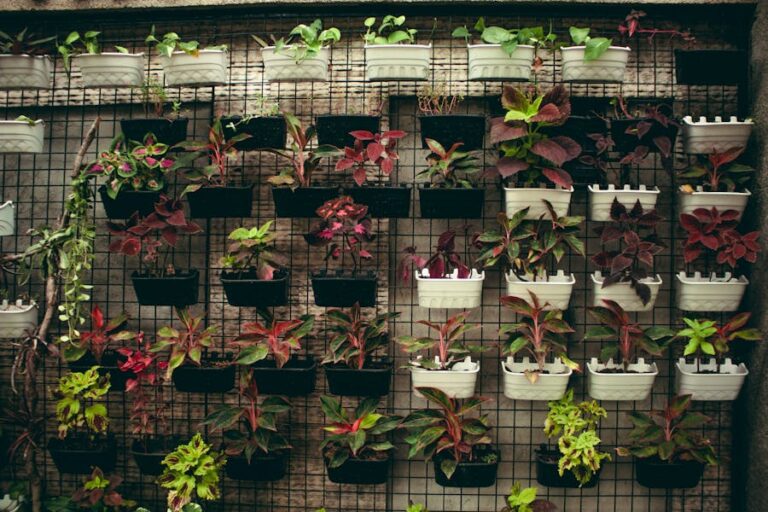
Containers: If you’re potting plants in containers, choose pots that are adequately sized for the plant’s current growth stage. A pot that is too large can retain excessive moisture, while one that is too small can restrict root growth.
Best Practices for Successful Potting
1. Choose the Right Soil: Use a high-quality potting mix suited to your plants. For instance, cacti and succulents need well-draining soil, while vegetables may benefit from a mix that retains moisture yet drains well.
2. Avoid Overcrowding: When potting multiple plants in one container, ensure they have enough space to grow without competing for nutrients and water.
3. Water Wisely: After potting, water the plants well but allow the top inch of soil to dry out before watering again, particularly in cooler temperatures.
4. Provide Adequate Light: Ensure that newly potted plants receive the right amount of light, whether indoors or outdoors. If they’re indoors, place them near a sunny window or under grow lights.
5. Monitor for Stress: Keep an eye on your plants after potting. Yellowing leaves, wilting, or stunted growth can be signs of stress. Adjust watering, light, or temperature conditions as necessary.
6. Gradual Acclimatization: For plants transitioning from indoors to outdoors, employ the hardening-off technique. Start by placing them in a sheltered location for a few hours a day, gradually increasing their exposure to outdoor conditions.
Final Thoughts
Spring is a time of renewal and growth, and while the urge to pot your plants early is understandable, it’s essential to temper that enthusiasm with knowledge. By timing your potting correctly and following best practices, you’ll set your plants up for success. Remember, patience is key in gardening, and taking the time to ensure your plants are ready can lead to a more bountiful garden this season. Happy gardening!