The Surprising Benefits of Leaving Your Garden “Messy” Until Spring
Most of us picture a perfect garden as neat, trimmed, and cleared of every fallen leaf by the time winter arrives. But what if letting things stay a little wild could actually lead to a healthier, more vibrant yard?
Leaving your garden “messy” through the colder months can bring real benefits for your plants, soil, and even local wildlife. If you’ve ever felt overwhelmed by fall cleanup, you’re not alone.
Provides free natural mulch that enriches soil
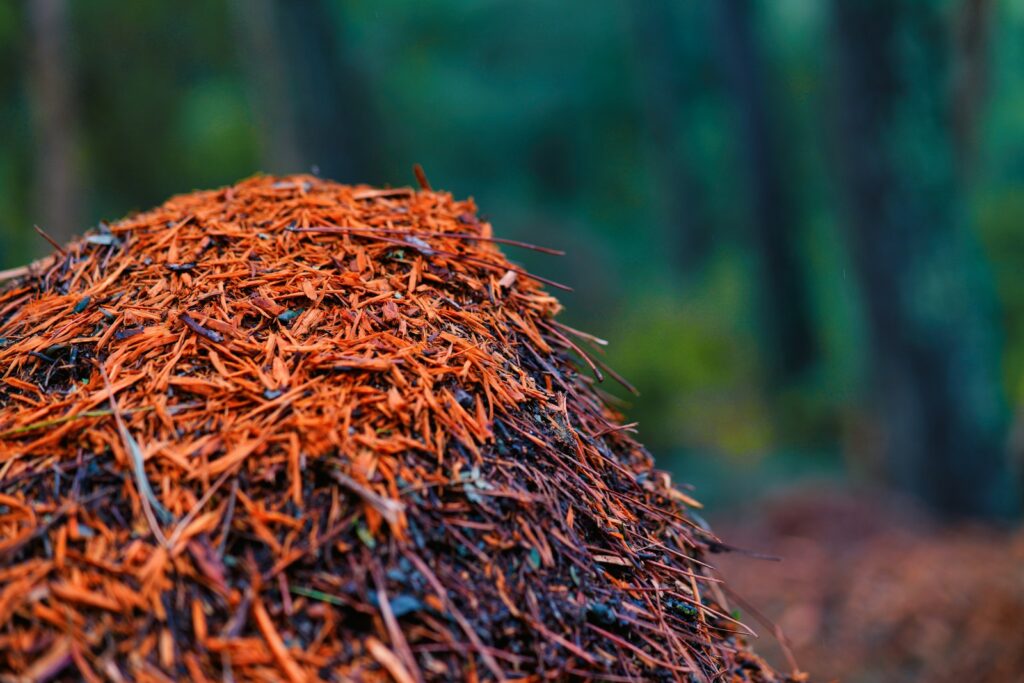
Fallen leaves and plant scraps left in your garden work as natural mulch. This mulch breaks down over time and adds nutrients back to your soil.
The leaves cover the ground like a cozy blanket, helping keep the soil moist and cool in winter. They also slow down weeds and feed tiny insects and microbes that make your soil healthy.
You can even spread extra leaves from your lawn over your garden beds. This simple step gives your plants a natural boost and supports helpful insects hiding under the leaves during winter.
Creates vital habitat for pollinators like bees and butterflies
Letting your garden stay a bit wild through winter creates a safe home for pollinators. Bees, butterflies, and other insects need places to hide and rest when the cold arrives.
Hollow stems, leaf piles, and plant debris give them shelter. Butterflies lay their eggs on fallen leaves, and native bees use old beetle holes or hollow plant parts to nest.
These habitats help pollinators survive until spring. When they return, they’ll be ready to help your garden bloom.
Offers insulation protecting plant roots from harsh cold
Fallen leaves and leftover plants create a natural blanket over the soil. This layer keeps the soil warmer and protects plant roots from freezing.
Cold can damage roots, especially in harsh winters. Your garden’s mess acts like insulation, stopping the ground from getting too cold.
This natural cover also holds moisture in the soil. It prevents quick drying caused by cold winds.
Letting your garden stay messy gives plants a better chance to come back strong and healthy in spring.
Supports beneficial insects such as ladybugs and beetles
A messy garden gives helpful insects a safe place to live through winter. Hollow stems and plant debris become tiny homes for ladybugs, beetles, and other bugs.
Ladybugs eat pests like aphids that can damage your plants. Beetles also help by breaking down dead material and keeping the garden clean.
By skipping pruning in fall, you allow these insects to find shelter easily. When they wake up, they help protect your plants without extra effort from you.
Leaves seed heads for birds and wildlife food through winter
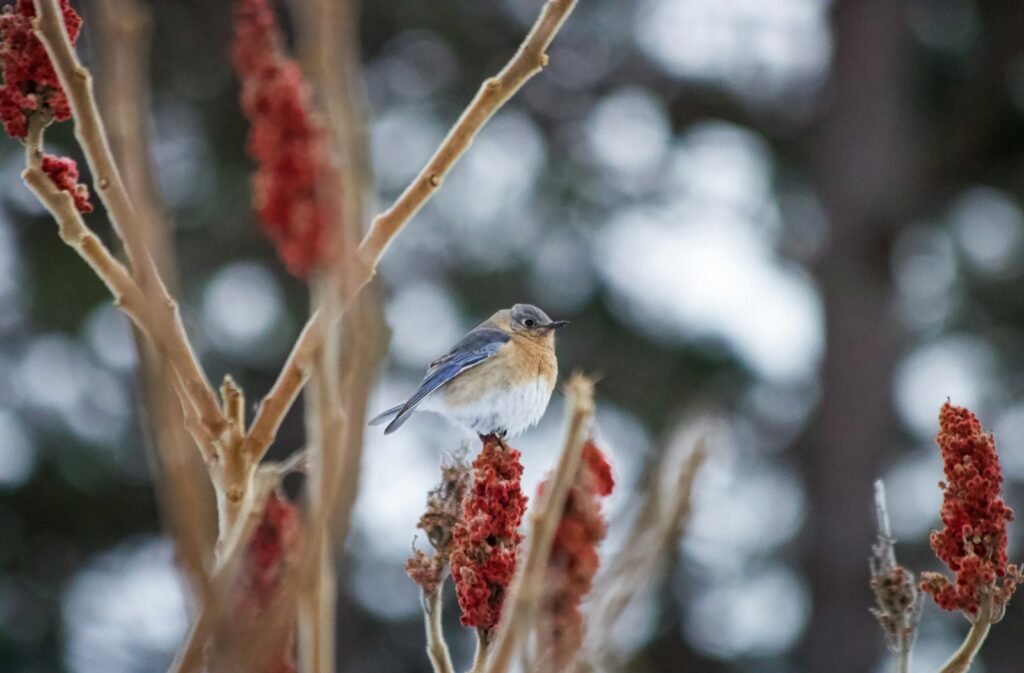
Leaving seed heads standing in your garden creates a natural food source for birds and other wildlife during winter. These seeds help birds like goldfinches, chickadees, and sparrows survive when food is harder to find.
Plants like coneflowers and sunflowers allow their seeds to stay accessible. This turns your garden into a busy feeding spot when snow covers other food sources.
Standing seed heads also offer shelter for small creatures. Your garden becomes a vital lifeline for animals, and you get to watch the wildlife it attracts.
Encourages soil microorganisms that improve fertility
Leaving your garden messy helps soil microbes thrive. Fallen leaves and plant material break down slowly, giving bacteria and fungi a steady food source.
These microbes build strong soil structure, which means better water retention and air flow. Your plants get what they need to grow healthy and strong.
By skipping the cleanup, you create a natural home for these beneficial organisms. Over time, your soil becomes richer and more fertile.
Prevents erosion by holding soil in place with plant debris
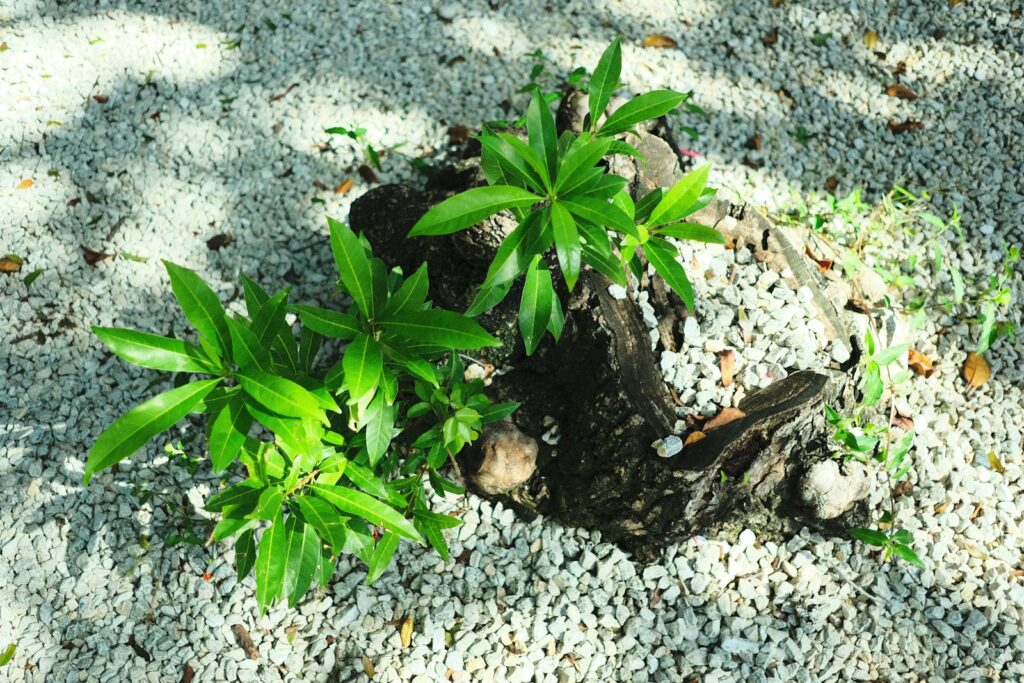
Plant debris acts like a shield over your soil. Twigs, leaves, and stems help stop the soil from washing away when it rains or snows.
The debris slows down water runoff, letting it soak into the ground instead of carrying soil away. This helps keep your garden’s topsoil, which is full of nutrients your plants need.
Plant debris also holds moisture in the soil. This keeps the roots of your plants safe from drying out during the cold months.
Reduces waste by recycling fallen leaves and plant material
Leaving fallen leaves and plant material in your garden is a form of natural recycling. Instead of throwing leaves away, you let them break down right where they fall.
The leaves and plants slowly turn into organic matter that improves soil health. This process returns valuable nutrients back to the soil.
Leaving plant material also means you create a natural mulch. Mulch keeps moisture in the soil and stops weeds from growing.
As the plants decay, they feed earthworms and beneficial microbes that keep your garden alive and full of energy. By embracing a messier garden, you are helping the environment.
Offers shelter for overwintering pollinators emerging in spring

A messy garden creates a safe place for pollinators to spend the winter. Many bees, butterflies, and other insects hide in dried plants, hollow stems, and leaf litter.
As spring arrives, these pollinators begin to wake up. Because you kept their shelter intact, they have a better chance to survive the winter.
Leaving stems, seed heads, and dead leaves gives these tiny creatures the shelter they need. You are helping maintain the natural balance in your yard in a simple but important way.
Boosts backyard biodiversity with varied natural cover
A less tidy garden creates a great home for many plants and animals. When you don’t clear everything out, you keep different types of plants and natural materials around.
This variety makes your garden a mini ecosystem where insects, birds, and small animals can find food and shelter. You might notice more birds visiting because they can hide in brush piles or feed on leftover seeds.
Insects like bees and butterflies also benefit because some plants provide nectar or places to rest through the winter. Even the soil improves with natural cover, helping plants grow better in spring.
Messy can be beautiful, and it’s good for nature right where you live.
Enhancing Garden Wildlife
Leaving parts of your garden messy creates a mini ecosystem right outside your door. This space supports helpful insects and provides cozy spots for birds and small animals.
Both groups need food and shelter during colder months to thrive in spring.
Supporting Beneficial Insects
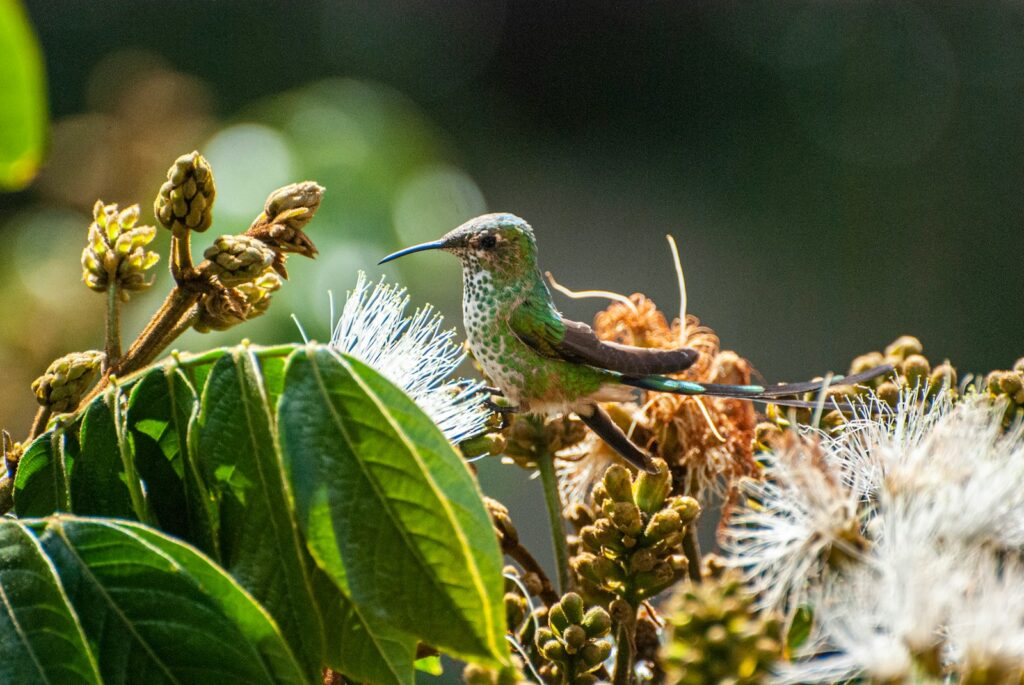
Messy gardens offer a perfect habitat for good insects like bees, ladybugs, and butterflies. Leaving plants, fallen leaves, and old stems gives these insects places to hide and rest.
Some insects even lay eggs in the dead wood or plant stalks you might usually clear away. As insects break down plant material, they help improve your soil by releasing nutrients.
Many of these insects pollinate flowers and control pests, reducing your need for chemicals.
A quick tip: Try to leave some flower heads and seed pods standing. They provide food during winter and early spring, giving pollinators a better chance to survive the cold.
Creating Shelter for Birds and Mammals
Your garden’s mess can become a cozy hotel for birds, squirrels, and other small mammals. Tall grasses, dense plants, and leaf piles offer protection from harsh weather and predators.
Birds especially use standing plants and brush to build nests or hide while resting. Leftover seeds from old plants feed birds during winter, keeping them closer to your garden.
You can encourage even more visitors by leaving a small pile of twigs or logs. These spots act as homes for insects, which in turn attract insect-eating birds and mammals.
Natural Fertility and Soil Health
Leaving your garden messy through winter creates ideal conditions for improving soil quality naturally. This practice helps build organic matter and supports a rich community of microbes underground.
Both are key to keeping your soil healthy and fertile without added chemicals.
Building Organic Matter
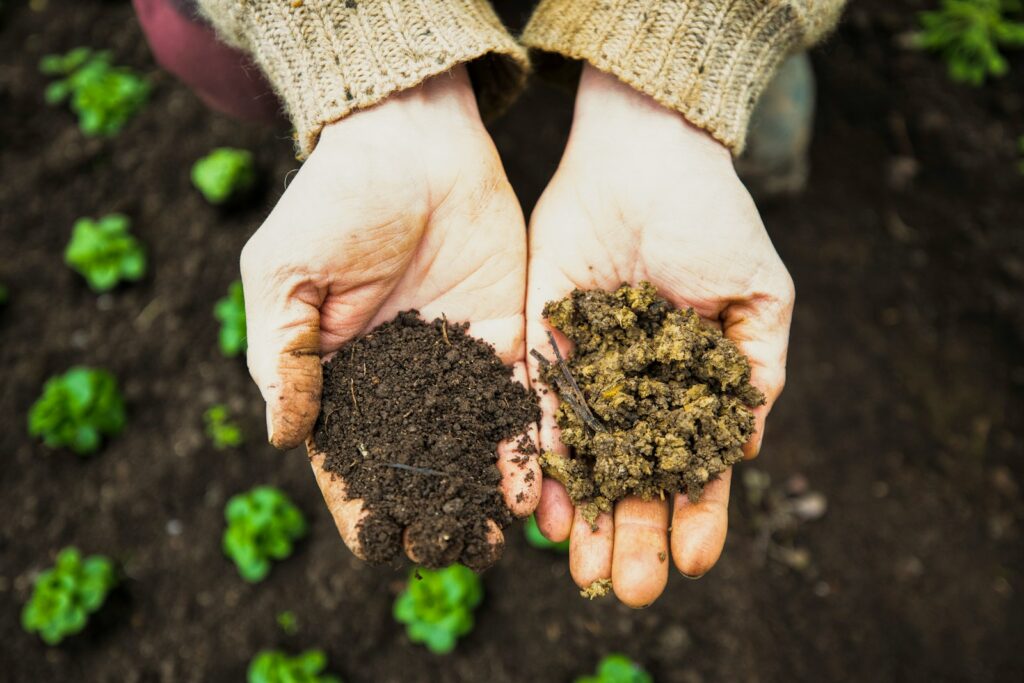
Letting leaves, dead plants, and garden debris stay put allows them to slowly break down. This process adds organic matter to your soil, which acts like a natural sponge.
It helps the soil hold water and nutrients better. Organic matter also feeds earthworms and other helpful creatures that improve soil texture.
Instead of removing fallen leaves or old stems, think of them as free mulch. They protect soil from erosion and temperature swings, creating a better environment for roots.
Benefits of organic matter you add by leaving your garden messy:
- Increases water retention
- Supplies nutrients as it decomposes
- Improves soil structure and aeration
Fostering Microbial Diversity
Have you ever noticed how a slightly untidy garden seems to buzz with life? That natural messiness actually creates a welcoming space for many kinds of soil microbes you might not even realize are there.
These tiny organisms work hard beneath the surface. They break down organic material and unlock nutrients that help your plants thrive.
If you clean up every leaf and twig, you might be taking away the environment these microbes need. Letting your garden stay a bit wild gives them a chance to multiply and build a healthy soil food web.
Microbes also boost your plants’ ability to resist diseases. A richer mix of microbial life means your garden is better prepared for the growing season.
How microbes improve your soil health:
- Break down dead plant matter
- Enhance nutrient availability
- Create disease resistance for plants