“The Surprising Ingredient in Potting Mix That Draws Pests—And How to Combat It”
Gardening enthusiasts often find joy in potting plants, but there’s an unexpected downside lurking in many popular potting mixes: an ingredient that can attract pests like moths, gnats, and even ants. Understanding this ingredient and how to manage it can help keep your plants thriving and your garden pest-free.
The Culprit: Organic Matter
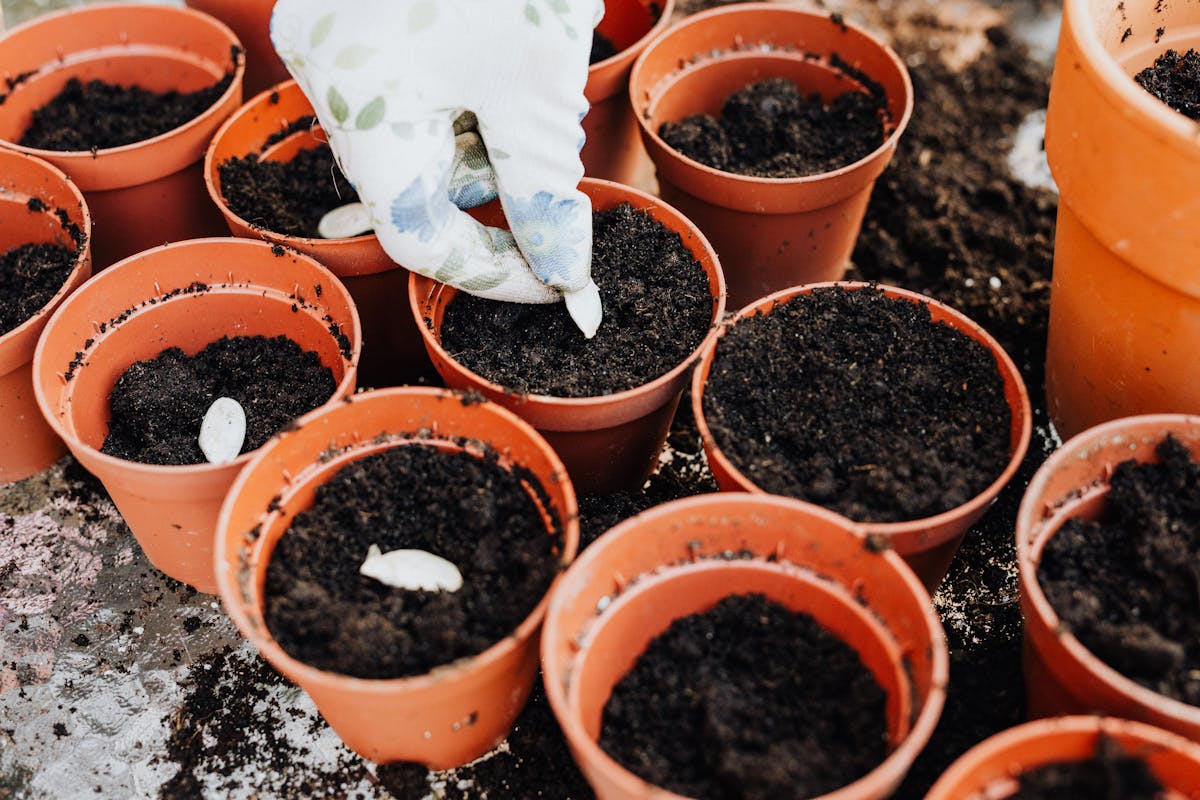
The ingredient responsible for attracting unwanted bugs is often organic matter, particularly peat moss or compost. These components are essential in creating a well-draining, nutrient-rich environment for your plants. They retain moisture while providing the aeration roots need to thrive. However, organic materials can also serve as a breeding ground for pests.
When you purchase a bag of potting mix, it often contains a high percentage of organic matter. This richness can be a double-edged sword. While it supports healthy plant growth, it also provides the perfect habitat for various insects. Gnats, in particular, are notorious for laying their eggs in damp organic matter, turning your potting mix into a nursery for their larvae.
Identifying Pest Problems
Before you can address the issue, you need to identify if pests are indeed invading your garden. Common signs of pest activity include:
Flying Insects: If you notice small flying bugs around your plants, especially near the soil, you likely have an infestation.
Wilting or Yellowing Leaves: This can be a sign of root damage caused by larvae feeding on the plant roots.
Visible Larvae: Sometimes, you’ll see tiny white or translucent worms in the soil, signaling a severe gnat problem.
Prevention Strategies
To minimize the risk of attracting pests with your potting mix, consider implementing the following strategies:
1. Choose Quality Potting Mix
Not all potting mixes are created equal. Look for brands that use sterilized organic matter, as this process kills any potential pests and their eggs. Additionally, some mixes include pest-resistant components, such as beneficial microbes that combat harmful insects.
2. Proper Watering Techniques
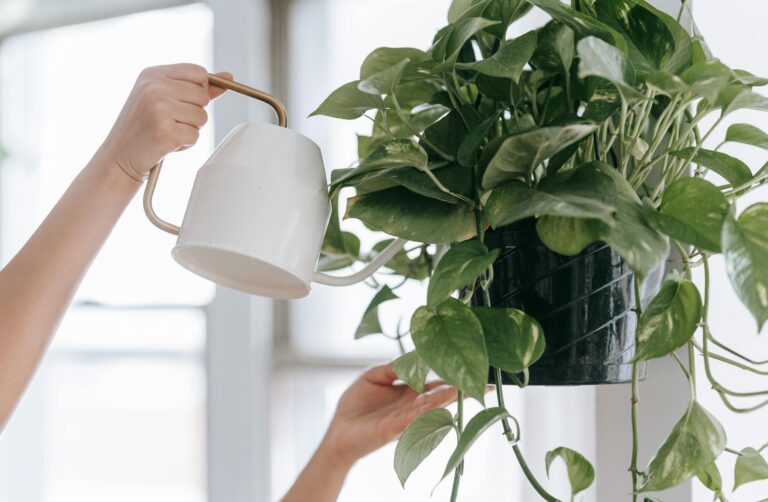
Overwatering not only harms your plants but creates an ideal environment for pests to thrive. Ensure your pots have drainage holes and only water when the top inch of soil feels dry. This helps prevent the mix from becoming overly soggy, which is a major attractant for gnats.
3. Incorporate Natural Repellents
Adding a layer of sand or diatomaceous earth on top of your potting mix can deter pests. These materials create a barrier that makes it more difficult for insects to access the organic matter below. Additionally, consider mixing in beneficial nematodes or using insecticidal soap, which are both effective against pest larvae without harming your plants.
Dealing with an Infestation
If you’ve discovered pests in your potting mix, don’t despair! There are several effective methods to rid your garden of unwanted guests.
1. Sticky Traps
One of the easiest methods to catch adult gnats is to use yellow sticky traps. Place these traps near the affected plants to capture flying bugs. This won’t eliminate the problem entirely, but it can help reduce the adult population while you deal with the larvae in the soil.
2. Soil Treatment
For a more thorough approach, consider repotting your plants with fresh, pest-free potting mix. Before doing so, gently remove the plant from its current pot and shake off as much of the old soil as possible. This will help eliminate any larvae clinging to the roots. When repotting, be sure to choose a quality mix and incorporate the prevention strategies mentioned earlier.
3. Biological Control
Utilizing beneficial insects such as predatory nematodes can be a highly effective solution. These microscopic worms will seek out and consume pest larvae in the soil, helping to restore balance to your potting mix.
Common Mistakes to Avoid
Ignoring Drainage: Always ensure your pots have sufficient drainage to prevent water from pooling at the bottom. This helps reduce the likelihood of a pest problem.
Overwatering: It can be tempting to keep the soil moist, especially in warmer months. However, allowing the soil to dry out slightly between waterings can help deter pests.
Using Contaminated Tools: Always clean your gardening tools and pots before use. Contaminated equipment can introduce pests to your garden.
Final Thoughts
While organic matter in potting mix is vital for plant health, it can also be a magnet for pests if not managed carefully. By choosing quality mixes, practicing proper watering techniques, and implementing preventative measures, you can keep your plants healthy and thriving without the nuisance of unwanted bugs. Remember, a proactive approach can save you time and frustration in your gardening journey, allowing you to enjoy the beauty of your plants without the worry of pests. Happy gardening!