The Surprising Resilience of Winter Plants: What to Do When You Think They’re Dead
As winter drags on, many gardeners find themselves anxiously peering at their dormant plants, wondering if they’ve survived the cold. If you’ve ever thought your plant was dead only to discover signs of life as spring approaches, you’re not alone. Here’s a closer look at what happens to plants during winter, how to assess their health, and what steps you can take to help them thrive once the temperatures begin to rise.
Understanding Winter Dormancy
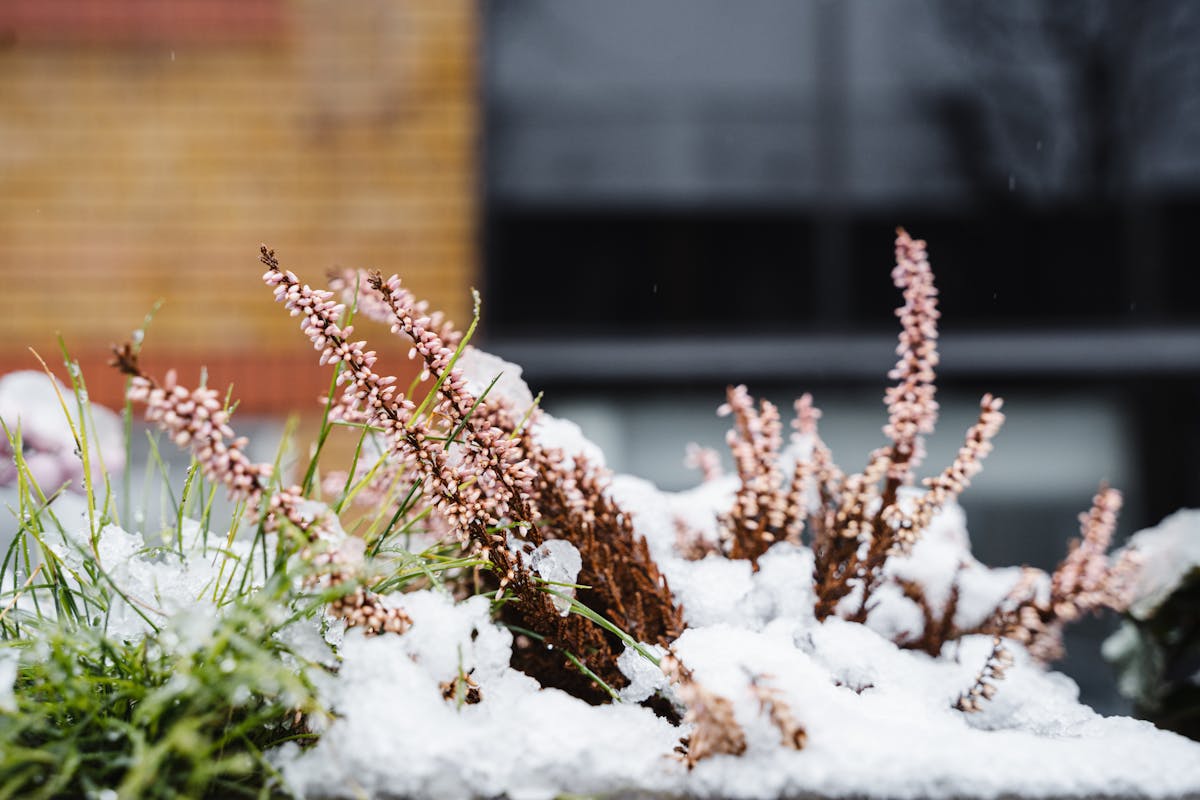
For many plants, winter is a time of dormancy, not death. While it may appear that your garden is lifeless, most perennials, shrubs, and some trees are simply conserving energy until warmer weather returns. This state of dormancy allows them to survive harsh conditions, but it can lead to some confusion for gardeners.
During this period, many plants will lose their leaves and appear shriveled or brown. However, beneath the surface, they are often still alive. Roots, stems, and buds may be actively preparing for spring growth, even if the top growth seems dead.
Signs Your Plant Might Be Alive
If you suspect one of your plants hasn’t made it through the winter, there are several signs to check for:
1. Buds and Shoots: Look carefully at the stems for any green buds or new shoots. These can sometimes emerge even when the older leaves have died back.
2. Flexibility: Gently bend a stem. If it’s still flexible and doesn’t snap easily, this is a good sign that the plant may be alive. A brittle stem, on the other hand, could indicate that the plant has died.
3. Root Health: If you’re unsure, consider gently digging around the roots. Healthy roots will be firm and white or light tan, while dead roots will be brown and mushy.
4. New Growth: As temperatures begin to rise, keep an eye out for any new growth. Many plants will start to show signs of life as soon as the risk of frost begins to diminish.
Caring for Your Plants in Spring
If you discover that your plant is indeed alive, congratulations! Here are some practical steps to help your plants transition from dormancy to vibrant growth:
Assess and Prune
After confirming that your plant has survived:
Prune Dead Material: Cut away any dead or damaged branches. This will not only improve the appearance of the plant but also allow it to focus its energy on healthy growth.
Leave Some Structure: Be cautious not to prune too much. If you aren’t sure how much to cut back, it’s often safer to err on the side of leaving more material, as this can help protect the plant.
Fertilize Wisely
As the days get longer and warmer, consider applying a balanced fertilizer to give your plants a nutrient boost:
Timing: Fertilize in early spring when new growth is starting, but avoid fertilizing too early if frost is still a risk.
Types of Fertilizer: Use a slow-release fertilizer or compost to provide a steady supply of nutrients as the plant begins to grow.
Watering Needs
Watering requirements may differ as your plants come out of dormancy:
Check Moisture Levels: Before watering, check the soil moisture. If the soil is still damp, hold off on watering to avoid root rot.
Consistency is Key: Once you begin watering, maintain consistency. A regular watering schedule can help support new growth.
Protecting from Late Frosts
Even as your plants start to wake up, late frosts can pose a threat:
Use Covers: If frost is in the forecast, cover your plants with frost cloths or blankets to protect new growth. Remember to remove the coverings during the day to avoid overheating.
Mulch: Applying a layer of mulch can help insulate the roots and maintain soil moisture.
Common Mistakes to Avoid
As you navigate the transition from winter to spring, be aware of these common pitfalls:
1. Overwatering: It can be tempting to water frequently as your plants begin to show signs of life, but overwatering can lead to root rot. Always check the soil moisture first.
2. Pruning Too Early: While it’s important to remove dead material, pruning too early in the season can expose your plants to frost damage.
3. Ignoring Signs of Stress: If your plant shows signs of stress (like wilting or discoloration) after winter, pay attention. This may indicate that it needs more care or a change in environment.
4. Neglecting Soil Quality: Compacted or poor-quality soil can hinder growth. Consider amending your soil with organic matter to boost its health.
The Joy of Reviving Winter Plants
Discovering that a plant you thought was dead is, in fact, alive and ready to thrive can be one of the most rewarding moments in gardening. By taking the right steps and being attentive to your plants’ needs, you can help them flourish in the warmer months ahead. Embrace the surprises that come with gardening, and remember that patience is key. With proper care, your garden can transform into a lush oasis, full of vibrant colors and life, even after a long winter.