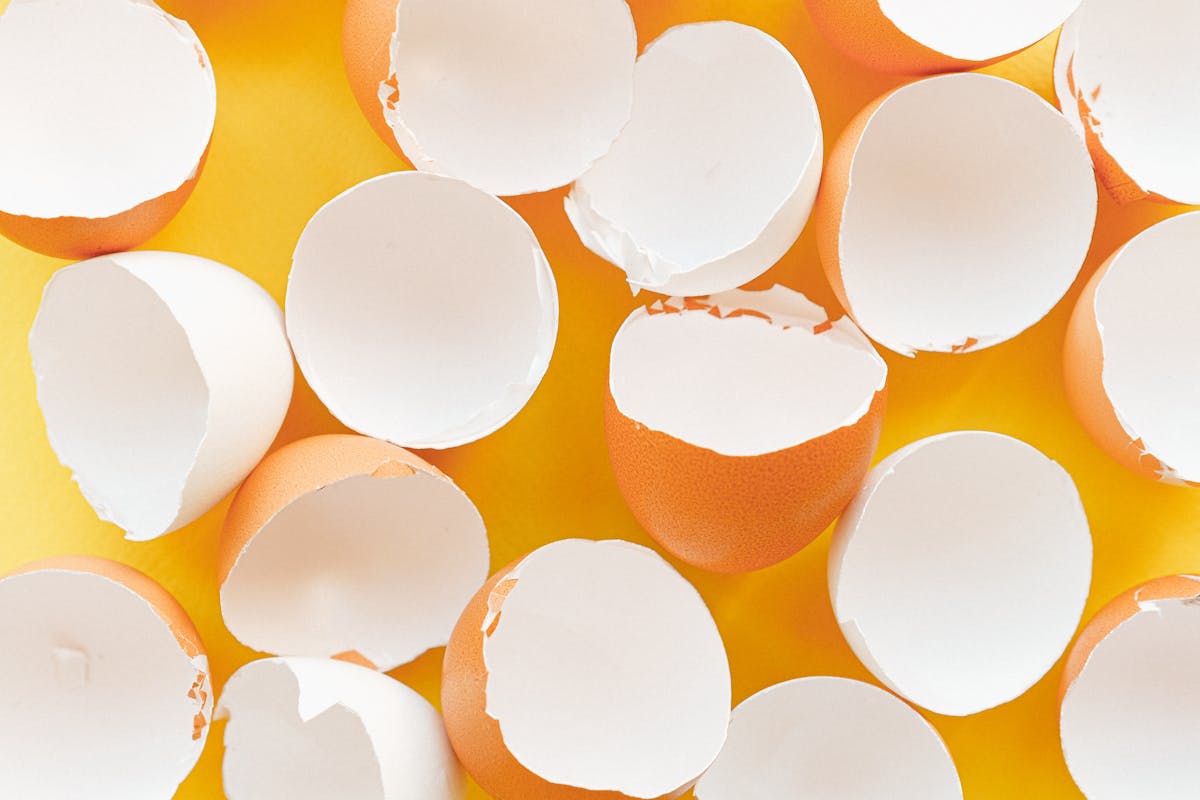
The Truth About Eggshells in the Garden: Benefits, Misconceptions, and When They Can Cause Trouble
Eggshells have become a popular topic in gardening circles, often touted as a miracle amendment for your plants. But are they really as beneficial as many claim? In this article, we’ll explore the uses of eggshells in the garden, separate fact from fiction, and help you understand when their use might backfire.
Benefits of Eggshells in Gardening
1. Nutrient Boost
Eggshells are primarily composed of calcium carbonate, which is essential for plant health. Calcium plays a crucial role in cell wall structure and growth, making it vital for seedlings and fruiting plants. When you crush eggshells and add them to the soil, they can slowly release calcium over time, improving soil structure and promoting healthy root development.
2. Pest Deterrent
Crushed eggshells can act as a natural barrier against pests like slugs, snails, and certain crawling insects. The sharp edges of the shells can deter these pests from crossing over, protecting your tender plants. Sprinkling a ring of crushed eggshells around your garden beds can provide a physical barrier that may help to keep these unwanted visitors at bay.
3. Soil Amendment
Eggshells can enhance the texture of your soil. When added to compost, they contribute not only calcium but also help increase drainage in heavy soils. This can be particularly beneficial in clay-heavy regions, where compacted soil can hinder root growth. By adding crushed shells to your compost pile, you’re also fostering a more balanced ecosystem, as they provide food for beneficial microbes and worms.
4. Recycling Waste
Using eggshells in the garden is an excellent way to recycle kitchen waste. Rather than tossing them in the trash, you can repurpose them into your gardening routine, contributing to a more sustainable lifestyle. This practice aligns well with the growing trend of reducing waste and promoting eco-friendly gardening.
The Downsides of Using Eggshells
While there are numerous benefits to using eggshells, there are also situations where they might not deliver the desired results. Here are some key points to consider:
1. Slow Release of Nutrients
One of the main drawbacks of eggshells is that they don’t release calcium immediately. The shells need time to break down, which can take several months, especially if they’re not crushed finely. For gardeners looking for immediate nutrient availability, eggshells may not be the best choice. If your plants are showing signs of calcium deficiency, such as blossom end rot in tomatoes, it might be better to use a fast-acting calcium supplement instead.
2. Over-Reliance on Eggshells
Some gardeners may mistakenly believe that eggshells can replace other essential fertilizers. While they do provide calcium, they lack other nutrients like nitrogen, phosphorus, and potassium. Relying solely on eggshells for soil amendments can lead to nutrient deficiencies in your plants. It’s important to maintain a balanced approach and use a variety of organic amendments to ensure your soil is rich in all essential nutrients.
3. Attracting Pests
While crushed eggshells can deter some pests, they can also attract others. For instance, if your garden has a problem with rodents or larger pests, leaving eggshells out may inadvertently draw them in. Additionally, if the shells are not thoroughly dried before being added to the garden, they can develop an odor that attracts unwanted animals.
4. Soil pH Considerations
Eggshells can raise the pH of your soil, making it more alkaline. While this is beneficial for plants that thrive in alkaline conditions, it can pose a problem for plants that prefer acidic soils, such as blueberries and azaleas. Before adding eggshells to your garden, it’s a good idea to test your soil pH and determine if your plants will benefit from the change.
Best Practices for Using Eggshells in the Garden
If you decide to incorporate eggshells into your gardening routine, here are some best practices to ensure you’re getting the most out of them:
1. Preparation
Rinse eggshells thoroughly to remove any residual egg white or yolk, which can attract pests. Allow them to dry completely before crushing them into small pieces. The finer the particles, the quicker they’ll break down in the soil.
2. Composting
Add crushed eggshells to your compost pile. They can help balance the carbon-to-nitrogen ratio and improve the overall structure of your compost. Aim for a mix of materials to ensure your compost is nutrient-rich and effective.
3. Application
Sprinkle crushed eggshells around the base of your plants or mix them directly into the soil before planting. For optimal results, consider layering them with other organic amendments to create a more balanced nutrient mix.
4. Monitoring
Keep an eye on your plants for signs of nutrient deficiencies or pH imbalance. If your plants are struggling, reassess your soil amendments and consider supplementing with a complete fertilizer or adjusting the pH as needed.
Eggshells can be a valuable addition to your gardening toolkit, offering a sustainable way to improve soil health and deter pests. However, it’s essential to understand their limitations and use them judiciously. By following best practices and remaining mindful of your plants’ specific needs, you can enjoy the benefits of eggshells while avoiding potential pitfalls. Happy gardening!