The Truth About Grow Lights: What Actually Works to Boost Your Plants’ Growth Fast
Ever felt confused standing in the grow light aisle, surrounded by options and unsure which one will actually help your plants? If you’ve wondered whether grow lights are worth it or how to pick the right one, you’re definitely not alone.
It can be tricky to know what will really make your indoor garden thrive.
Wattage isn’t the key; spectrum and intensity matter most!
It’s easy to think that higher wattage means better plant growth. The real secret is in the light spectrum and intensity.
Plants need specific colors of light for different growth stages. Blue light helps with leafy growth, while red light encourages flowering.
If your grow light only focuses on wattage, your plants might miss out on the colors they really need. Intensity matters too—just because a light uses more watts doesn’t mean it’s giving off the brightness your plants crave.
High-quality LEDs provide strong, focused light with less energy. This means healthier plants and lower power bills.
Full spectrum LED lights mimic natural sunlight perfectly.
Full spectrum LED grow lights are designed to mimic the sun’s natural light. They cover all the wavelengths your plants need from seedling to harvest.
With these lights, you can grow indoors any time of year. Your plants get the full “light recipe” they’d find outdoors, leading to better photosynthesis and stronger roots.
You can even adjust the brightness and color mix to fit your plants’ needs. This kind of control makes indoor gardening easier and more successful.
Full spectrum LEDs are also energy efficient and last a long time. They bring sunlight inside without running up your electric bill.
Blue light boosts leafy growth stages fantastically.
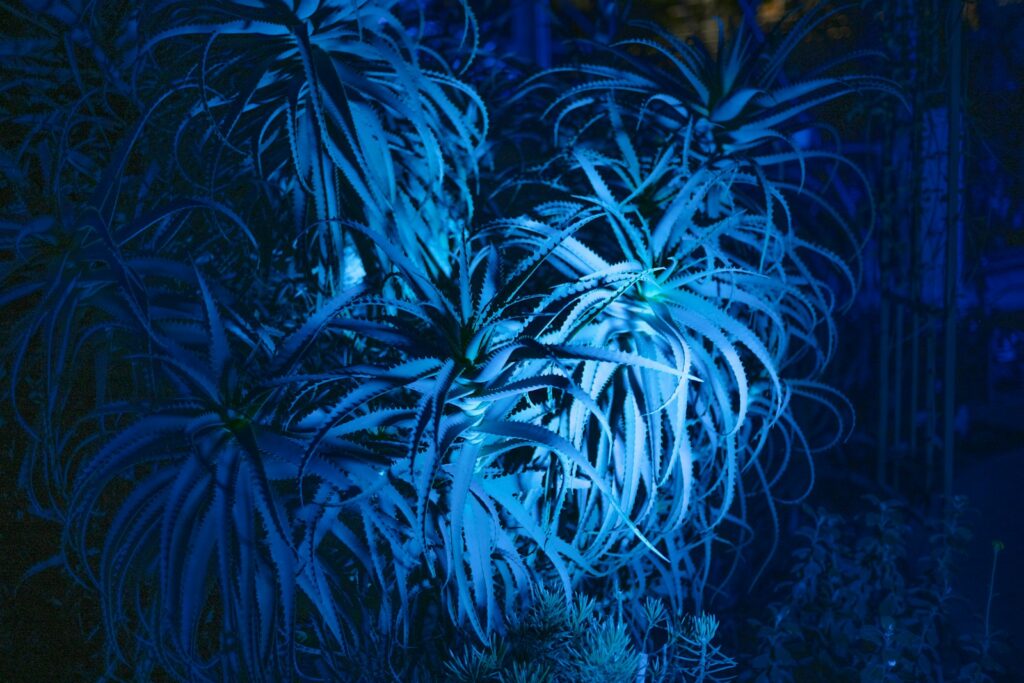
Blue light is a game changer for leafy greens and herbs. It supports strong leaf and stem growth, making your plants look lush and vibrant.
You’ll see thicker stems and compact, bushy plants when you use enough blue light. It helps control how leaves open their tiny pores, keeping your foliage healthy.
Adding blue light to your setup is a simple way to get stronger, healthier leaves, especially in the early growth stages.
Red light enhances flowering and fruit production.
Red light is the star when it comes to flowering and fruiting. It helps plants shift from growing leaves to forming buds and blooms.
More red light during the flowering stage can mean bigger yields and more flowers. Some growers use a higher red-to-blue light ratio to encourage healthy bud growth.
Red light also helps plants handle stress, supporting the production of protective compounds. If you want more flowers or fruit, make sure your setup includes plenty of red light.
Modern LEDs use less energy and emit less heat
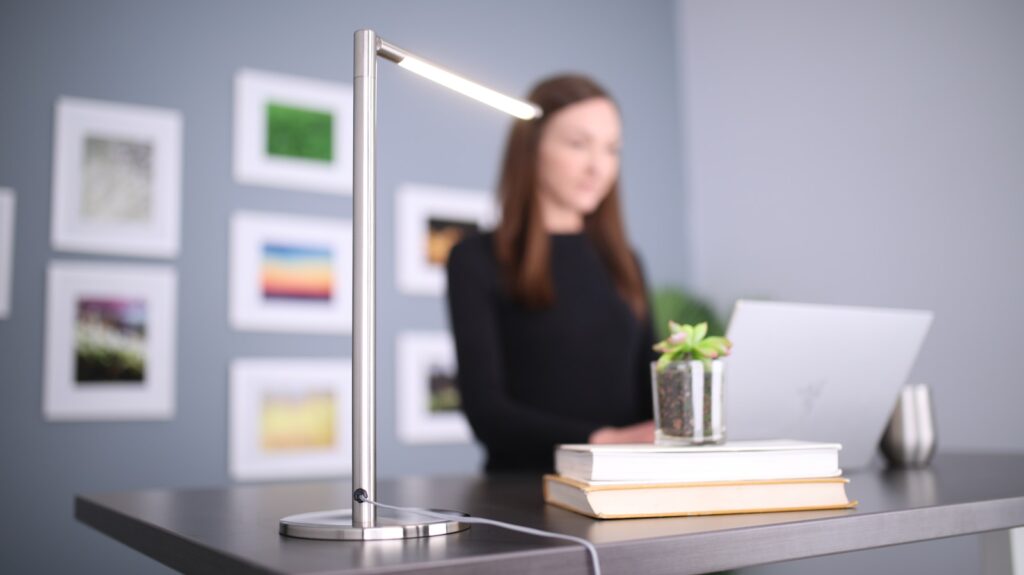
Switching to modern LED grow lights means saving energy and money. LEDs use up to 60 percent less electricity than older light types.
They focus light exactly where your plants need it, so there’s less waste. LEDs also run cool, which means you don’t have to worry as much about heat stress or extra cooling costs.
Lower heat and power use make your indoor garden easier to manage. LEDs are a win for both your plants and your wallet.
Positioning your grow light correctly is a game changer.
Where you place your grow light matters just as much as the type you choose. Too far away, and your plants won’t get enough light. Too close, and you could scorch their leaves.
A good rule of thumb is to keep the light about 12 to 24 inches above your plants. The exact distance depends on the type of light and what you’re growing.
Some plants, like cacti, love direct light, while shade lovers prefer it a bit farther away. Watch your plants for signs like yellowing or curling leaves and adjust as needed.
Dialing in your light’s position helps your plants grow stronger and healthier.
Grow lights can keep your plants going through cloudy days and long winters. They let you control how much light your plants get and for how long.
Still, natural sunlight packs a punch that’s tough to replicate. The sun delivers a perfect balance of colors and intensity that most plants love.
Combining natural sunlight with grow lights gives your indoor garden the best of both worlds.
Infrared light can stimulate plant growth in some stages
Infrared light isn’t just for warmth—it can actually help your plants grow during certain stages. While not used for photosynthesis, the gentle heat from infrared can speed up development.
Used alongside red and blue light, infrared can help plants grow taller and support blooming. It also triggers photoreceptors that influence leaf growth and flowering.
Just don’t overdo it—balance is key, as too much heat can harm your plants.
Cheap regular lights won’t cut it for serious indoor gardening
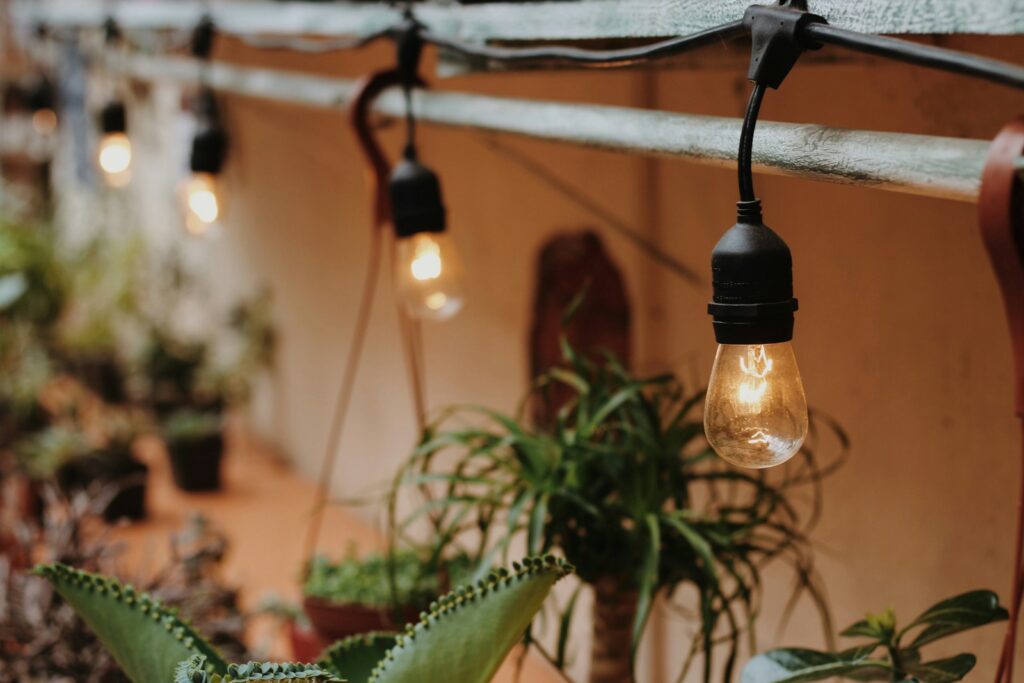
Thinking about using regular household bulbs for your plants? They might light up a room, but they don’t offer the right spectrum or strength for healthy plant growth.
Plants need specific colors of light, especially blue and red, which most standard bulbs can’t provide. Even if you leave them on all day, your plants won’t get what they need.
Investing in real grow lights means healthier plants and better results. Good LED grow lights use less energy and last longer, making them a smart choice for any indoor gardener.
LED grow lights are designed specifically for photosynthesis
LED grow lights give your plants the exact wavelengths they need for photosynthesis. They focus on red and blue light, so your plants grow faster and stronger.
You can control how much light your plants get, which helps you avoid problems like slow growth or burning. LEDs also save energy and don’t produce much heat.
They last a long time, so you won’t be replacing bulbs all the time. With LED grow lights, expect greener leaves, sturdier stems, and more flowers or fruit.
How Grow Lights Actually Affect Plant Growth
Grow lights fill in the gaps when natural sunlight isn’t enough. They give your plants energy by providing the right colors of light for every stage of growth.
Photosynthesis Explained
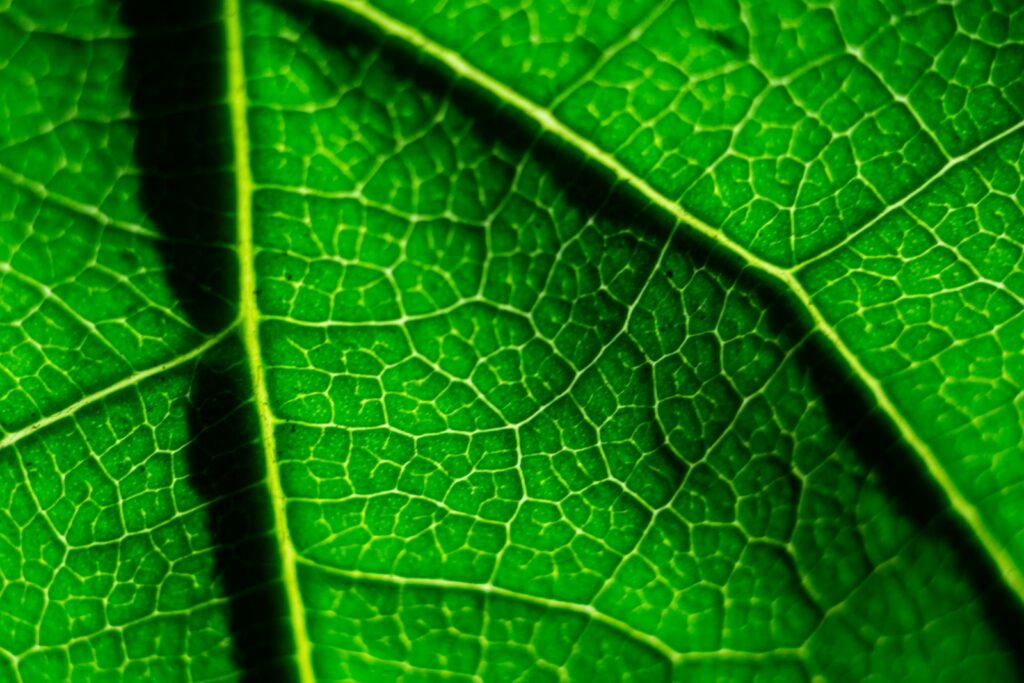
Photosynthesis is how your plants turn light, water, and carbon dioxide into food. This fuels the growth of leaves, roots, flowers, and fruit.
Grow lights make sure your plants get enough light indoors to keep photosynthesis going. Without enough light, plants slow down or stop growing altogether.
Most indoor plants do best with 12 to 16 hours of light each day to mimic the sun’s natural cycle.
Light Spectrum Science
The color of light your grow light gives off is super important. Plants mainly use red and blue light for growth.
Blue light builds strong leaves and stems, especially for seedlings and leafy plants. Red light kicks in for flowering and fruiting stages.
Many LED grow lights let you adjust the mix of red and blue to match your plant’s needs. This flexibility helps your garden thrive at every stage.
| Light Color | Main Effect | Best For |
|---|---|---|
| Blue | Leaf and stem growth | Seedlings, leafy plants |
| Red | Flowering and fruiting | Flowering and fruit plants |
Common Myths About Grow Lights Debunked
It’s easy to get tripped up by myths about grow lights. Knowing what actually works can save you money and help your plants thrive.
LEDs Versus Traditional Bulbs
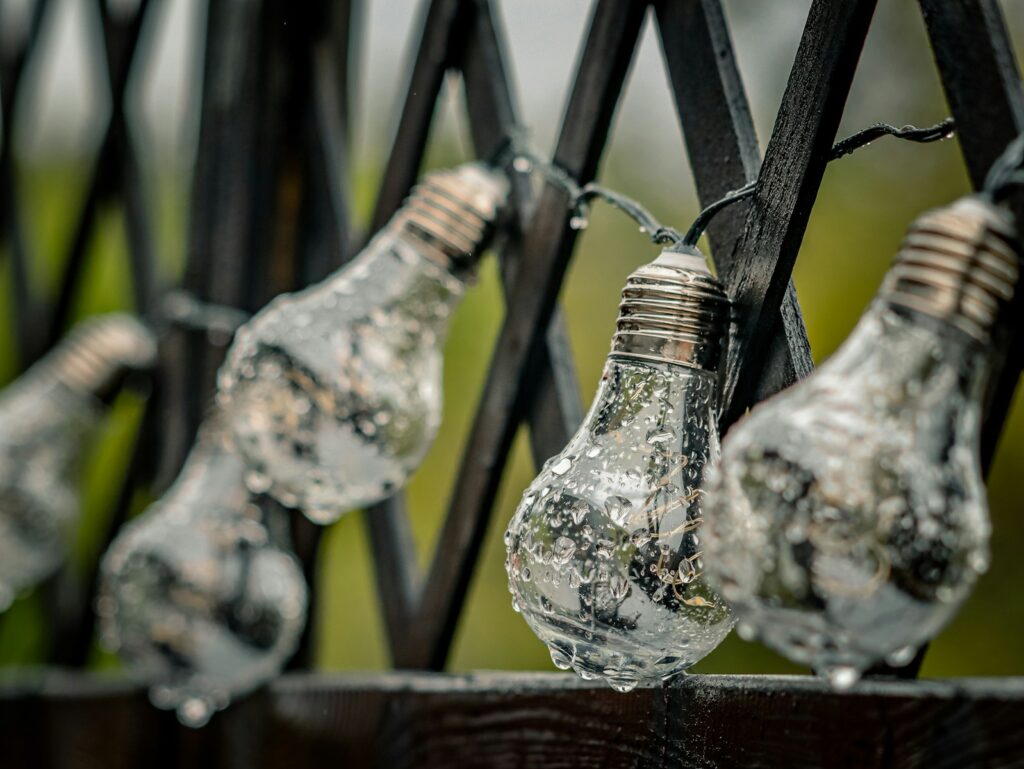
Some people still think traditional bulbs are better than LEDs. The truth is, LEDs last much longer—up to 100,000 hours—so you replace them less often.
LEDs use less energy and give off less heat, which means your plants won’t burn and your electricity bill stays lower. They can also be fine-tuned to provide the exact spectrum your plants need, while older bulbs often waste energy on colors plants don’t use.
If you want a long-lasting, cost-effective option, LEDs are the way to go.
Wattage and Intensity Misconceptions
Ever stood in the lighting aisle and wondered if grabbing the highest watt bulb is the secret to epic plant growth? You’re definitely not alone.
Wattage just tells you how much energy the light uses, not how much your plants actually get. What really matters is the intensity and quality of light reaching your leaves.
Check out PPFD (Photosynthetic Photon Flux Density) when comparing grow lights. This number shows how much usable light your plants receive.
A 100-watt LED can sometimes outshine a 300-watt traditional bulb because it delivers the right spectrum your plants crave. More isn’t always better.
In fact, too much light can actually burn leaves or waste electricity. You want to match the light to your plant’s needs, not just crank up the power.
Look for lights with good spectrum control and the right PPFD for your space. Your plants will thank you with healthier, stronger growth.