The Truth About Low Light: Debunking Indoor Plant Myths for Thriving Greenery
Indoor gardening has surged in popularity, especially among home gardeners looking to bring a touch of nature indoors. However, there is a common misconception that many beginners fall prey to: the idea that low-light conditions can support any plant variety. While it’s true that some plants thrive in low light, others need more attention when it comes to light requirements. Let’s explore this myth and uncover why understanding light levels is essential for your indoor garden to flourish.
Understanding Light Requirements
Light is a crucial factor for plant growth. It’s not just about the quantity; the quality and duration of light are equally significant. Plants typically fall into three categories based on their light needs: low-light, medium-light, and high-light.
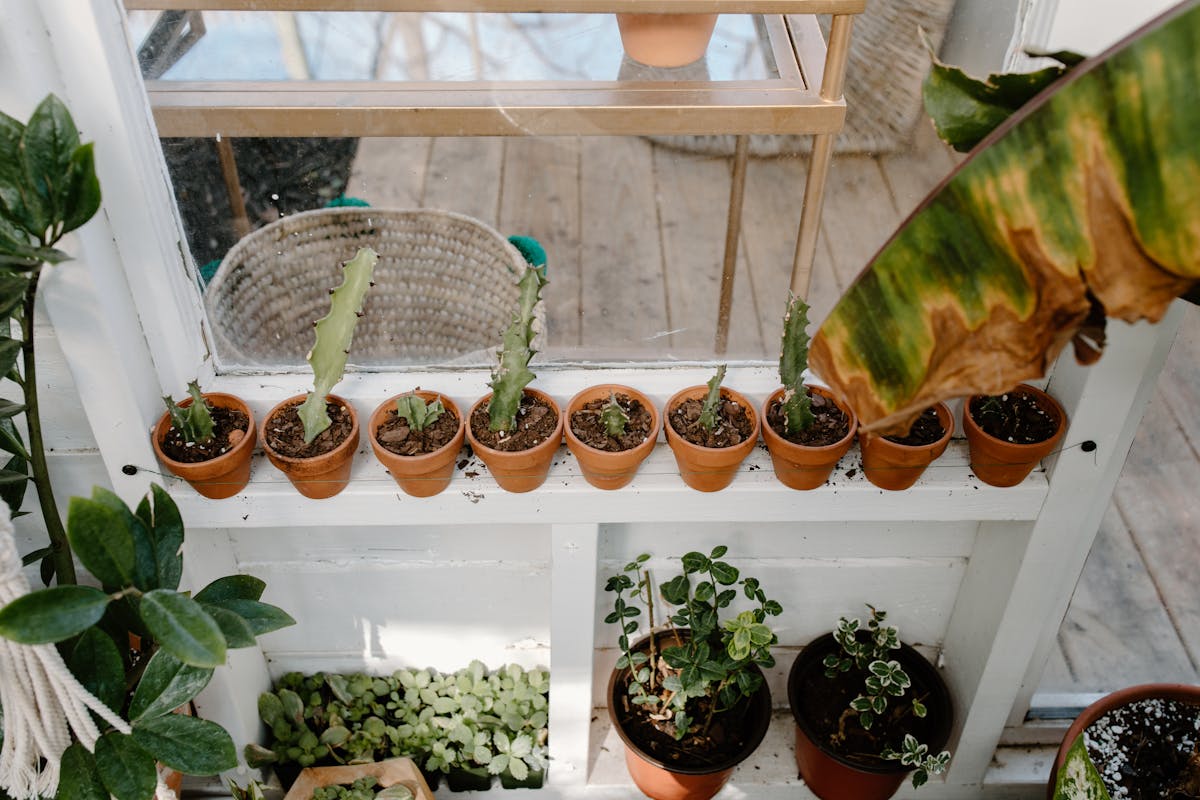
Low-light plants, such as snake plants, pothos, and ZZ plants, can tolerate dim conditions but still require some light to perform basic functions like photosynthesis. Medium-light plants, like spider plants and peace lilies, prefer brighter, indirect light, while high-light plants, such as succulents and cacti, thrive in direct sunlight.
The biggest misconception is that low-light plants can survive in complete darkness. Although they can adapt to lower light conditions, they still need some indirect light to grow healthily. Extended periods of insufficient light can lead to leggy growth, fading colors, and overall decline.
Why Low Light Still Matters
1. Photosynthesis Needs: Plants utilize light to convert carbon dioxide and water into glucose and oxygen through photosynthesis. Even low-light plants need a minimal amount of light to carry out this process. Without adequate light, their growth will stagnate, and they may eventually die.
2. Plant Health and Aesthetics: A well-lit environment promotes vibrant colors and healthy foliage. Insufficient light can lead to dull, yellowing leaves and poor growth. If you want your indoor plants to thrive and be visually appealing, understanding light requirements is essential.
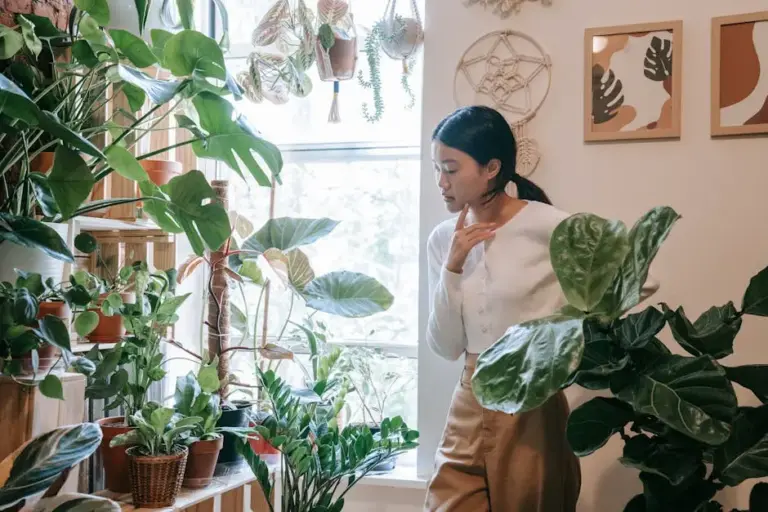
3. Location Matters: Even within a home, light levels can vary significantly from room to room. Windows facing north typically provide less light than those facing south or west. Consider the placement of your plants carefully—placing a low-light plant next to a window can provide the indirect light it needs to thrive.
Practical Tips for Indoor Gardening Success
Now that we’ve established the importance of light, let’s look at some practical tips for ensuring your indoor garden flourishes.
1. Assess Light Levels: Start by observing the light levels in your home. Use a light meter app on your smartphone or simply note the brightness throughout the day in different areas. This assessment will help you choose the right plants for each location.
2. Choose the Right Plants: When selecting plants, consider their light requirements. For darker corners, opt for low-light varieties. For brighter spaces, medium and high-light plants can be a great choice.
3. Rotate Your Plants: Plants can lean toward light sources, resulting in uneven growth. To promote balanced growth, rotate your plants every few weeks to ensure all sides receive adequate light.
4. Supplement with Grow Lights: If natural light is limited, especially during winter months, consider using grow lights. These specialized lights mimic natural sunlight and can significantly boost plant growth. Look for full-spectrum LED grow lights that cater to a range of plant needs.
5. Monitor Watering Needs: Light levels directly influence a plant’s water consumption. In low-light conditions, plants typically require less water. Always check the top inch of the soil; if it feels dry, it’s time to water. Overwatering is a common mistake that can lead to root rot, especially in low-light environments.
6. Prune Regularly: Regular pruning helps maintain plant health by removing dead or yellowing leaves. This practice encourages new growth and allows the plant to focus its energy on thriving foliage.
Common Mistakes to Avoid
1. Ignoring Light Changes: Natural light changes with the seasons. Be mindful of how the shift from summer to winter affects your plants. They may require repositioning or additional lighting during darker months.
2. Overlooking Humidity Levels: Many indoor plants, particularly tropical varieties, prefer higher humidity levels. Dry indoor air, especially in winter, can stress plants. Consider using a humidifier or placing a tray of water with pebbles beneath your plants to increase humidity.
3. Choosing the Wrong Soil: The right soil can make a significant difference in how well your plants absorb light and nutrients. Ensure you use well-draining potting mixes suited to your specific plant types.
4. Neglecting Fertilization: Indoor plants may require fertilization to thrive, especially during the growing season. Use a balanced, water-soluble fertilizer every four to six weeks to provide essential nutrients.
5. Overcrowding Plants: While it may be tempting to group plants together for aesthetic appeal, overcrowding can lead to competition for light and resources. Allow adequate space between plants to ensure all can access the light they need.
In Summary
Understanding the nuances of light requirements is crucial for indoor gardening success. While low-light plants offer the promise of thriving in dim conditions, they still need suitable light to flourish. By assessing your home’s light levels, choosing the right plants, and implementing practical care tips, you can create a vibrant indoor garden that enhances your living space. Embrace the joy of gardening and watch your indoor plants thrive!