The Ultimate Fall Clean-Up Guide Most Gardeners Skip That Will Transform Your Garden This Season
Fall cleanup sneaks up on us every year, and it’s easy to put off when life gets busy. But a little effort now can set your garden up for a great spring and even help out the wildlife in your own backyard.
Whether you’re a seasoned gardener or just getting started, knowing which tasks matter most can save you time and make your yard look better than ever. Let’s look at some ways to make fall cleanup easier and more rewarding.
Leave some leaves for wildlife and soil health
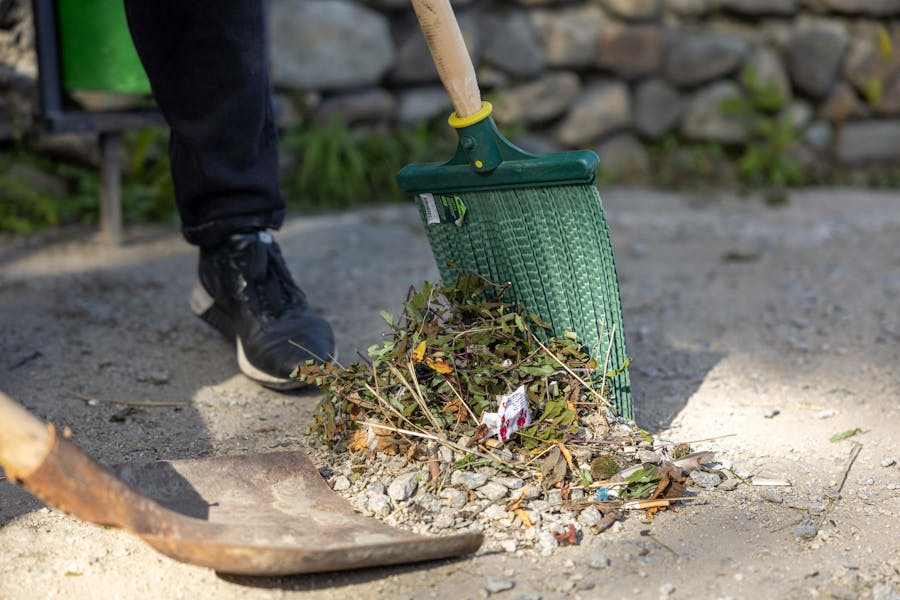
Fallen leaves might look messy, but they’re actually doing a lot of good out there. Leaving a layer of leaves creates shelter for insects and bugs that help break down organic matter.
As these leaves decompose, they add nutrients back into your soil, helping your plants grow stronger. You’ll also spend less time raking and more time enjoying your yard.
Letting leaves stay on the ground keeps them out of landfills and reduces waste. It’s an easy way to help both your garden and local wildlife.
Next fall, try letting some leaves stay where they fall. Your soil and the creatures living in it will benefit.
Skip cutting back every perennial to protect beneficial insects
Leaving some perennials standing through the colder months gives helpful insects a place to hide. Bees, ladybugs, and other beneficial bugs need these shelters to survive winter.
Old flower stems and dried leaves also provide food sources for insects that help your garden thrive. Cutting everything down too soon can remove their protection.
Some pollinators even use dried seed heads as food early in the spring. Holding off on a full cutback helps your garden’s ecosystem stay balanced.
Avoid raking all leaves—let some mulch naturally
You don’t have to rake up every single leaf this fall. Letting some leaves stay on your lawn can help your garden by creating natural mulch.
Leaves that break down slowly feed the soil with nutrients and help keep moisture where your plants need it. Mulch also helps stop weeds from taking over.
If you want to help the process along, try shredding the leaves with your mower. This makes it easier for the mulch to break down and benefits your grass and soil.
Letting leaves mulch naturally also keeps them out of the landfill. It’s a simple way to give your yard a boost while saving time.
Hold off on heavy pruning to prevent plant stress
It’s tempting to prune everything back in fall, but holding off can help your plants. Heavy pruning makes plants use energy to heal instead of storing food for winter.
Light pruning is a better choice. Focus on removing dead or damaged branches only.
Some shrubs and perennials do better when you wait until early spring to prune. Cutting too much now can lead to frost damage or slow recovery.
Let your plants rest and store up energy for next season. When the time is right, you can prune safely and help them come back strong.
Skip clearing all garden debris to provide winter shelter
Leaving some fallen leaves and dead plant material helps wildlife survive the winter. Bugs and birds use this debris for shelter during cold months.
Helpful insects that live under leaves can keep pests in check when spring returns. Birds also find places to rest and hunt for food among the debris.
It’s all about balance. Clear away diseased or badly damaged foliage, but let the rest stay to support your garden’s ecosystem.
This approach helps your soil stay fertile as natural material breaks down. Your plants and local wildlife will appreciate it.
Leave seed heads for birds to enjoy through winter
Resist the urge to cut back all your plants as soon as fall arrives. Leaving seed heads standing provides a natural food source for birds when other options are scarce.
You might spot goldfinches, siskins, and chickadees enjoying seeds from asters and other perennials. These birds rely on leftover seeds to get through the cold months.
Seed heads and stems also offer shelter for insects that benefit your garden. Letting a few plants remain uncut creates winter interest and helps wildlife.
Avoid removing every fallen twig for soil enrichment
Those small twigs scattered around your yard aren’t just clutter. Leaving some of them in place adds nutrients like nitrogen and phosphorus to your soil as they break down.
Twigs help keep soil loose, making it easier for air and water to reach plant roots. They can also act as a barrier to stop weeds from taking over.
You don’t need to keep all the twigs, just enough to give your garden a slow-release boost. Clearing away large piles helps prevent pests, but leaving a few twigs supports soil health.
Next time you’re tidying up, think about letting some twigs stay put. Your garden will benefit in the long run.
Skip over-mulching to let soil breathe
It’s easy to get carried away with mulch in the fall, but too much can trap moisture and block air from reaching your soil. Your plants need oxygen in the soil to stay healthy.
Aim for a mulch layer about two to three inches thick. This protects roots and holds in moisture without suffocating the ground.
Avoid piling mulch over weeds or already covered areas. Too much mulch can actually help weeds thrive.
Keeping your mulch balanced gives your soil the protection it needs while letting it breathe. Your garden will be healthier when spring comes.
Delay composting some plant material to preserve nutrients
Not every bit of plant material needs to go into the compost pile right away. Some leaves and garden waste hold nutrients you want to keep in your soil a little longer.
Thicker or woody stems break down slowly. Letting them decompose on their own before composting keeps more nutrients available for your plants.
Shred large piles of leaves before composting to avoid compaction and slow breakdown. A gradual approach helps conserve minerals and vitamins for your garden.
Managing when you compost certain materials gives your soil a better nutrient supply. It’s a small step that can make a big difference.
Skip aggressive lawn dethatching for early dormancy
As your lawn prepares for winter, it goes dormant and needs time to store energy. Dethatching too aggressively right before this can stress the grass and slow recovery.
Light dethatching in early fall, while the grass is still growing, removes excess thatch without harming your lawn. Use a dethatching rake or set your machine to a low depth.
Avoid heavy dethatching close to winter. Your grass will be healthier and greener when spring returns if you give it time to rest.
Why Fall Clean-Up Matters
Fall cleanup isn’t just about making your yard look tidy. The right steps now can help your plants survive winter and come back stronger in spring.
Taking care of leaves, debris, and pruning at the right time keeps diseases and pests in check. It also helps the soil hold moisture and stay fertile, setting your garden up for a good growing season.
Boosting Soil Health for Next Season
Clearing away dead plants and leaves reduces the chance of diseases and pests hiding in your soil. This protects your plants from future problems.
Adding fresh mulch or compost after cleanup helps the soil retain moisture and improves its texture. Beneficial microbes break down organic matter, making nutrients easier for your plants to use.
A good tidy-up also aerates the soil, allowing water and air to reach roots more easily. Preparing your soil now means stronger, healthier plants when the growing season returns.
Wildlife-Friendly Approaches to the Clean-Up
Ever notice how some gardens seem to buzz with life even in the colder months? Small changes in your clean-up routine can make a big difference for the creatures sharing your space.
Leaving some seed heads and plant stems intact supports pollinators and beneficial insects. These leftovers provide food and shelter for bugs and birds during winter.
Try leaving leaves in garden beds or make leaf piles in corners you don’t use much. These piles become cozy homes for insects and amphibians that help keep pests in check.
If you cut back perennials, leave about 6 inches of stems standing. This simple step gives pollinators a safe place to shelter when it’s cold.
A few small choices can help you keep your garden tidy while still caring for the wildlife that makes it thrive.