Think Your Plant Is Rootbound? Check This Before You Repot
If you’ve ever potted a plant only to watch it seem stunted or unhealthy despite your best care, you may be dealing with a rootbound situation. This common issue occurs when roots grow too tightly in their container, restricting the plant’s growth and health. While repotting is the traditional solution, it can be daunting, especially for beginners. Fortunately, there are simpler methods to determine if your plant is rootbound without having to uproot it from its pot.
Understanding Rootbound Plants
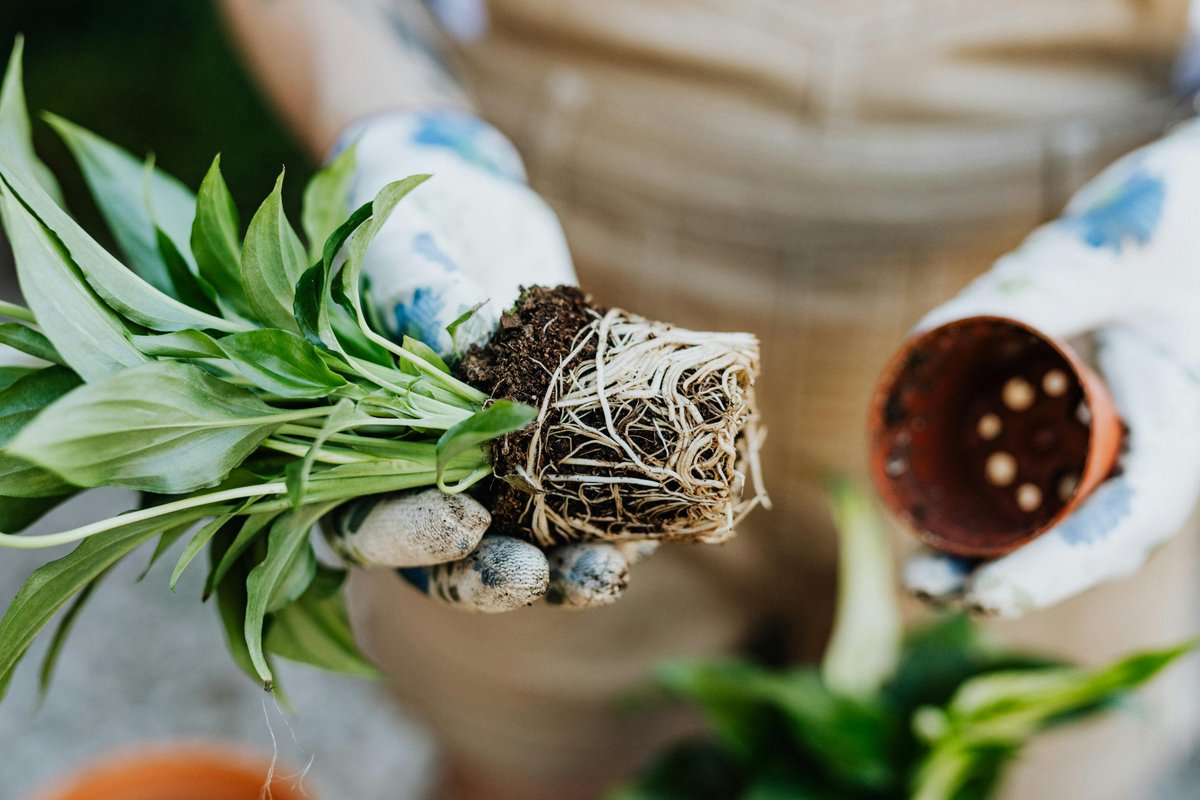
Before we dive into the signs, let’s clarify what rootbound means. When a plant is rootbound, its roots have filled the pot and started to circle around the edges, leaving little soil and nutrients for the plant to absorb. This can lead to drought stress, poor growth, and even die-off if not addressed.
Signs Your Plant Might Be Rootbound
1. Lack of Growth: One of the most telling signs of a rootbound plant is stunted growth. If your plant has stopped growing or is producing smaller leaves than usual, it may be due to insufficient root space.
2. Watering Problems: If you find that your plant is drying out faster than normal, it could be a sign of rootbound roots. When roots take up all the available space, they can prevent water from penetrating the soil properly, leading to uneven watering.
3. Roots Peeking Out: Check the drainage holes at the bottom of the pot. If you see roots coming out of these holes, it’s a clear indication that your plant has outgrown its container.
4. Wilting or Yellowing Leaves: If your plant is wilting or its leaves are yellowing despite regular watering, it could be a sign that the roots are trapped and unable to absorb water and nutrients effectively.
5. Pot Size: Consider the size of the pot in relation to the plant. If it’s been several years since you last repotted and the plant has grown significantly, it’s likely that it’s rootbound.
How to Check for Rootbound Roots
Now that you know the signs, here’s how to check without repotting:
1. Lift the Plant: Gently lift the plant by the base of the stem—do not pull on the leaves or branches. This can help you gauge the weight of the pot. If it feels unusually light and the soil seems dry, that may be a sign of root congestion.
2. Inspect the Soil Surface: Look at the top layer of soil. If there’s little soil visible and you can see roots creeping up to the surface, it’s a sign that the roots have filled the pot.
3. Tap the Pot: Lightly tap the sides of the pot. If you hear a hollow sound, it could indicate that the soil has shrunk away from the sides, often a symptom of rootbound conditions.
4. Check the Drainage Holes: As mentioned earlier, if you see roots coming out of the bottom, it’s a clear sign of rootbound issues.
5. Use a Moisture Meter: If you have one, a moisture meter can help you gauge how well your plant is absorbing water. If the meter consistently reads dry despite regular watering, your plant may be rootbound.
What to Do If Your Plant Is Rootbound
If you’ve determined that your plant is rootbound, you have several options:
1. Top-Dress with Soil: If repotting feels too daunting, consider top-dressing the plant with fresh potting soil. This can provide essential nutrients and help retain moisture.
2. Watering Technique: Adjust your watering technique by thoroughly soaking the soil and ensuring that water is reaching the root zone. This can sometimes alleviate the symptoms of rootbound plants.
3. Pruning: For plants that tolerate it, consider pruning the roots. Carefully remove the plant from its pot, trim back the outer roots, and then return it to the pot with fresh soil. This method can be risky, so ensure you’re comfortable with it before proceeding.
4. Repotting: If all else fails, repotting is the best long-term solution. Move your plant to a pot that is one size larger, allowing for ample room for growth. When repotting, gently loosen any circling roots and place the plant in fresh, well-draining potting mix.
5. Monitor and Adjust Care: After addressing the rootbound issue, monitor your plant closely for signs of improvement. Adjust your care routine as necessary, including light, water, and fertilizer.
Common Mistakes to Avoid
Ignoring Drainage: Ensure your pots have adequate drainage holes. This helps prevent water from pooling and encourages healthy root growth.
Choosing the Wrong Pot Size: When repotting, avoid going too big with your new pot. A pot that is too large can lead to overwatering and root rot.
Neglecting Fertilization: Even after addressing rootbound issues, your plant may need additional nutrients to bounce back. Use a balanced fertilizer to support its recovery.
Understanding and identifying rootbound plants is crucial for maintaining a thriving garden. By following these simple methods, you can ensure your plants have the space they need to flourish, ultimately leading to a healthier, happier garden. Happy gardening!