This Is the One Garden Mistake Almost Every First-Time Grower Makes in Their First Season
Starting a garden for the first time feels exciting because every seed packet promises fresh vegetables, colorful flowers, and satisfying harvests. Many beginners spend weeks choosing plants and preparing beds, yet one simple mistake quietly causes more problems than almost anything else. The frustrating part is that everything may look healthy at first, making it easy to believe the garden is thriving.
By the time the warning signs appear, correcting the issue becomes much harder. Learning from one family’s first season shows exactly how this common mistake unfolds and why it catches so many new gardeners by surprise.
The Backyard Was Full of Big Plans
When Melissa and her husband finally built raised garden beds behind their suburban home, they invited their kids to help choose what to plant. Tomatoes, peppers, cucumbers, lettuce, carrots, herbs, and flowers all made it onto the list. Every empty space seemed like an opportunity for one more plant. Their neighbors smiled while watching the family work but quietly exchanged glances when they saw how close everything was being planted. Melissa assumed the fuller the beds looked, the better the harvest would be.
Every Seedling Seemed to Be Winning
The first couple of weeks felt like a dream because nearly every plant sprouted. The children raced outside every morning to measure how much taller the tomatoes had grown. Bright green leaves filled every corner of the raised beds. Melissa proudly posted photos online, convinced they had skipped all the rookie mistakes everyone warned about. Even experienced gardeners congratulated them without realizing how crowded the beds had become.
An Unexpected Conversation Over the Fence
One evening, an older neighbor named Linda leaned over the fence while walking her dog. She complimented the garden before gently asking how far apart the tomato plants were. Melissa admitted she had squeezed them closer because she wanted more fruit. Linda hesitated before saying, “You may end up getting fewer tomatoes instead.” Melissa politely thanked her but assumed the advice was overly cautious.
The Leaves Began Touching Everywhere
Within another few weeks, the garden looked even greener, but something had changed. Tomato branches tangled with peppers while cucumber vines crawled through herbs that had nowhere left to spread. Watering became difficult because the soil disappeared beneath thick layers of leaves. The family loved the jungle appearance and believed it proved they were doing everything right. None of them realized the plants were now competing for space, sunlight, and airflow.
Strange Spots Started Appearing
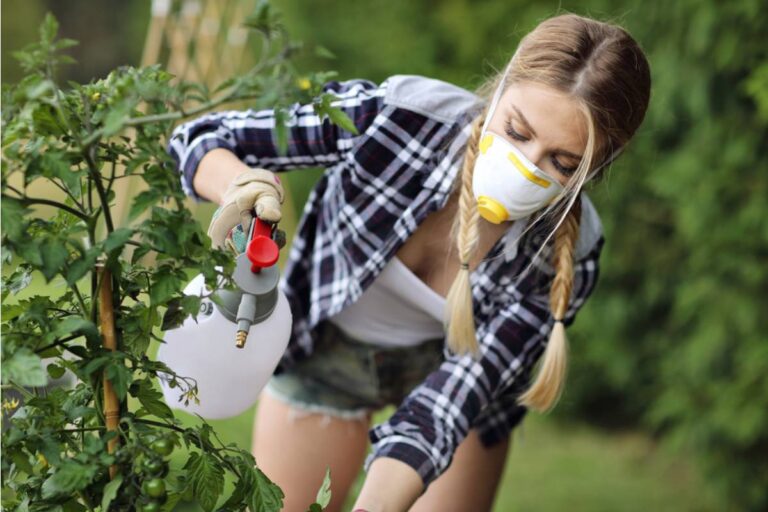
Melissa noticed a few yellow leaves with dark spots near the bottom of several tomato plants. She blamed insects and immediately searched for homemade sprays. After trimming a handful of leaves, she expected the problem to disappear. Instead, more leaves developed similar marks over the next several days. The disease spread quietly through plants that stayed damp because crowded foliage prevented proper air circulation.
Harvest Expectations Began Falling Apart
The tomato plants kept growing taller, but surprisingly few tomatoes developed. Peppers remained smaller than expected, and lettuce bolted much sooner than the seed packet suggested. Melissa couldn’t understand how such huge plants were producing so little food. Her children kept asking when they would finally fill baskets with vegetables. The answer became harder to give every week.
The Garden Center Employee Solved the Mystery
Frustrated, Melissa carried several damaged leaves to the local garden center. An employee studied them before asking a question that caught her off guard. “How much room did you leave between your plants?” When Melissa described the layout, the employee nodded almost immediately. He explained that overcrowding often creates humidity, blocks sunlight, stresses roots, and encourages disease long before beginners realize anything is wrong.
A Weekend of Difficult Decisions
That Saturday, the family faced a choice they never expected. They had to remove healthy looking plants to save the rest of the garden. The kids protested because every plant had been grown from seed. Melissa hated pulling out vegetables that still looked green and alive. Once several plants were removed, however, sunlight finally reached areas that had stayed shaded for weeks.
Recovery Took Patience Instead of Quick Fixes
The family hoped the remaining plants would bounce back overnight, but gardening refused to work that way. Some diseased leaves still had to be pruned, and a few plants never fully recovered. The healthier spacing gradually reduced moisture trapped between the leaves. New growth appeared stronger, and the tomatoes finally began setting more fruit. Melissa realized no fertilizer or spray could replace giving plants enough room from the beginning.
The Neighbor’s Advice Suddenly Made Perfect Sense
Linda stopped by again later in the season and noticed the garden looked much more open. Melissa laughed and admitted she should have listened the first time. Linda explained that almost every gardener she knew had made the exact same mistake during their first season. Wanting a fuller garden is natural because empty soil feels wasted. In reality, those open spaces are what allow mature plants to thrive.
The Second Season Looked Completely Different
The following spring, Melissa resisted the urge to fill every inch of soil. She carefully measured spacing before planting each seedling. At first, the garden looked strangely empty compared to the previous year. Friends even asked whether she planned to add more vegetables later. By midsummer, every bed looked full again without plants competing for space.
The Harvest Finally Matched the Dream
This time, baskets filled with tomatoes, peppers, cucumbers, herbs, and fresh lettuce throughout the season. Diseases appeared far less often, and watering became much easier because every plant was accessible. The children proudly delivered extra vegetables to neighbors instead of wondering why the harvest had stalled. Looking back, Melissa realized that the biggest mistake was believing more plants automatically meant more food. Giving each plant the room it needed turned out to be the simplest lesson that transformed their entire gardening experience.