Transform Your Dry Home Environment: Effective Alternatives to Misting Your Plants
As winter approaches and indoor heating systems kick into high gear, many plant enthusiasts notice their homes becoming drier. This can lead to drooping leaves and stressed plants, prompting some to reach for their misting bottles in an attempt to boost humidity. However, misting isn’t always the best solution. In this article, we’ll explore effective alternatives to increase humidity around your plants and create a healthier environment for them to thrive.
Understanding Indoor Humidity
Before diving into solutions, it’s essential to understand why humidity matters for houseplants. Most houseplants thrive in environments with humidity levels between 40% and 60%. When humidity drops, plants can suffer from symptoms like leaf curl, brown tips, and slowed growth. Simply misting leaves may not provide the continuous moisture they need, as the water evaporates quickly, leaving plants still thirsty.
Signs of Low Humidity
How can you tell if your home is too dry for your plants? Keep an eye out for these signs:
Leaves that turn brown or crispy at the edges
Leaves dropping prematurely
Stunted or slow growth
Increased pest activity, such as spider mites or aphids
If you’re noticing these symptoms, it’s time to take action beyond misting.
Effective Alternatives to Misting
1. Group Your Plants
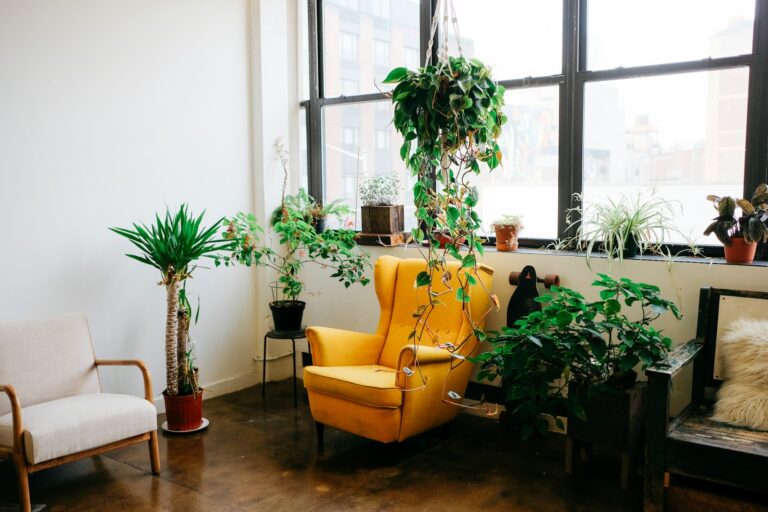
One of the simplest ways to increase humidity is by grouping your plants together. As they transpire (release moisture through their leaves), they create a mini microclimate with higher humidity levels. This method works especially well for plants that thrive in humid conditions, like ferns and tropical species. Just ensure that your plants have similar light and watering needs to avoid any complications.
2. Utilize Humidity Trays
A humidity tray consists of shallow trays filled with water and pebbles. Place your plants on top of the pebbles, ensuring that the bottom of the pots doesn’t sit directly in the water. As the water evaporates, it will increase the humidity around your plants. This is an effective solution for smaller plants and can be a decorative addition to your home.
3. Invest in a Humidifier
For those serious about creating a humid environment, a humidifier can be a game-changer. This device not only helps your plants but also improves air quality for you. Choose a model that fits your space, and consider placing it near your plants or in a room where you have several houseplants. Regularly monitor humidity levels with a hygrometer to ensure you’re maintaining the ideal range.
4. Create a Terrarium
If you have a selection of small plants that enjoy high humidity, consider creating a terrarium. These enclosed environments trap moisture and create a self-sustaining ecosystem. Choose a glass container with a lid, add a layer of pebbles for drainage, and fill it with potting soil. Plant your selections, and keep the lid on to maintain humidity levels. Just remember to check on it periodically to avoid mold growth.
5. Choose the Right Plants
If your home tends to be on the dry side, consider selecting houseplants that are more tolerant of lower humidity. Succulents and cacti are fantastic options for drier environments, but if you still want some greenery, look into plants like snake plants, pothos, or ZZ plants, which are known for their resilience in various conditions.
6. Water Wisely
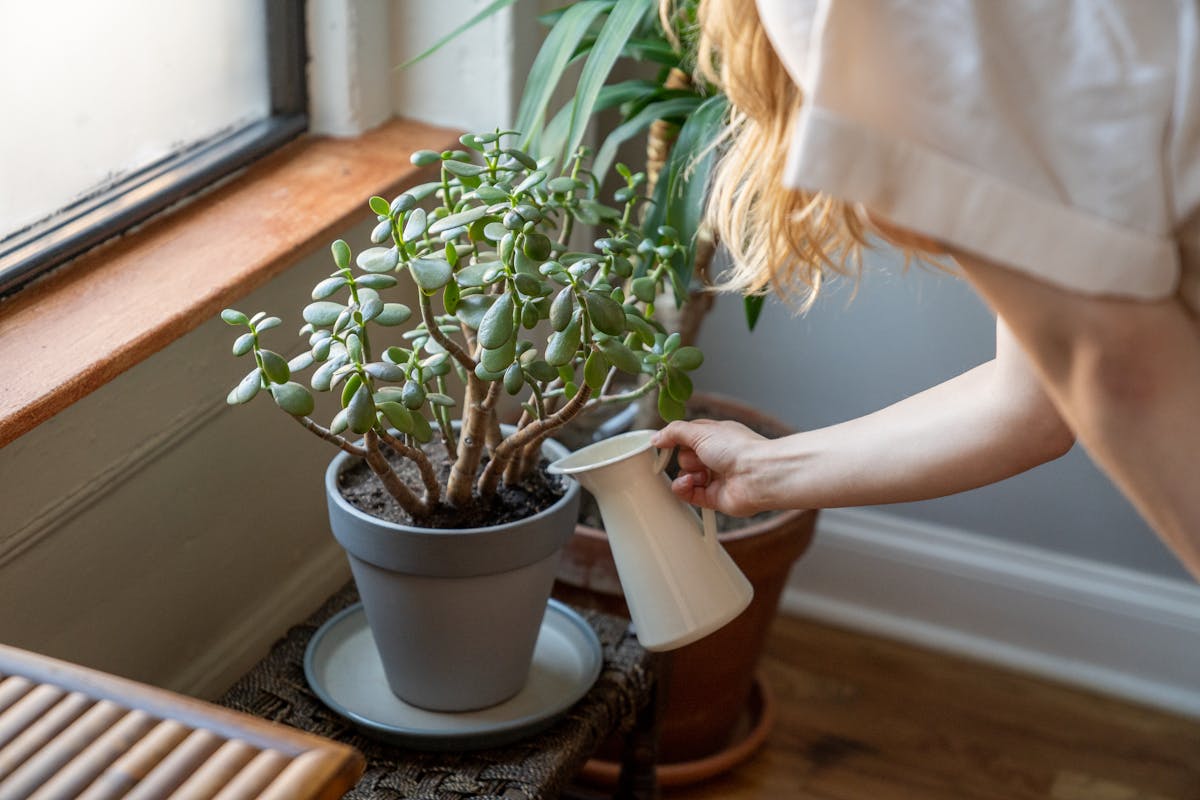
While it’s important to maintain humidity, proper watering is equally crucial. Overwatering can lead to root rot and other issues. Instead of misting, consider using a watering technique that promotes humidity without saturating the plant. Water your plants thoroughly, ensuring that excess water drains out of the bottom of the pot. This way, the moisture will remain in the soil longer, providing necessary hydration.
7. Use a Spray Bottle Strategically
If you still prefer to mist, do so strategically. Avoid misting when the plant is in direct sunlight, as this can lead to leaf burn. Instead, mist in the late afternoon or early evening when the plant can absorb the moisture without the interference of intense heat. Use distilled or rainwater for misting to minimize the risk of mineral buildup on leaves.
Common Mistakes to Avoid
Over-Misting: While it may seem harmless, excessive misting can lead to fungal growth and other issues. Stick to a weekly schedule if you choose this method.
Ignoring Temperature Fluctuations: Be mindful of temperature changes in your home, especially near heat sources. Sudden changes can stress plants, so keep them away from vents or radiators.
Neglecting Regular Maintenance: Dust can accumulate on leaves, blocking light and impeding photosynthesis. Regularly wipe down leaves with a damp cloth to keep them clean.
Final Thoughts
Creating a humid environment for your houseplants doesn’t need to rely solely on misting. By implementing these effective strategies, you can ensure your plants are happy and healthy, even in the driest conditions. Remember, the goal is to simulate the natural environments that your plants come from, giving them the best chance to thrive in your home.
With a little effort and awareness, you can transform your home into a lush, plant-friendly oasis, regardless of the season. Happy gardening!