Transform Your Garden with Japanese Aralia: A Guide to Planting and Care

Japanese Aralia, known scientifically as Fatsia japonica, is a stunning evergreen plant that can add an exotic touch to your garden. With its lush, glossy leaves and attractive architectural form, it’s becoming increasingly popular among gardeners in North America. Whether you’re a novice or have some gardening experience under your belt, this comprehensive guide will help you successfully plant and nurture this unique plant in your backyard.
Understanding Japanese Aralia
Japanese Aralia is native to Japan, Korea, and Taiwan, thriving in warm, humid climates. However, it has adapted well to various environments, making it suitable for USDA hardiness zones 8 to 11. This hardy plant can grow up to 6 feet tall and 6 feet wide, making it an excellent choice for creating a focal point in your garden or a lush backdrop for smaller plants.
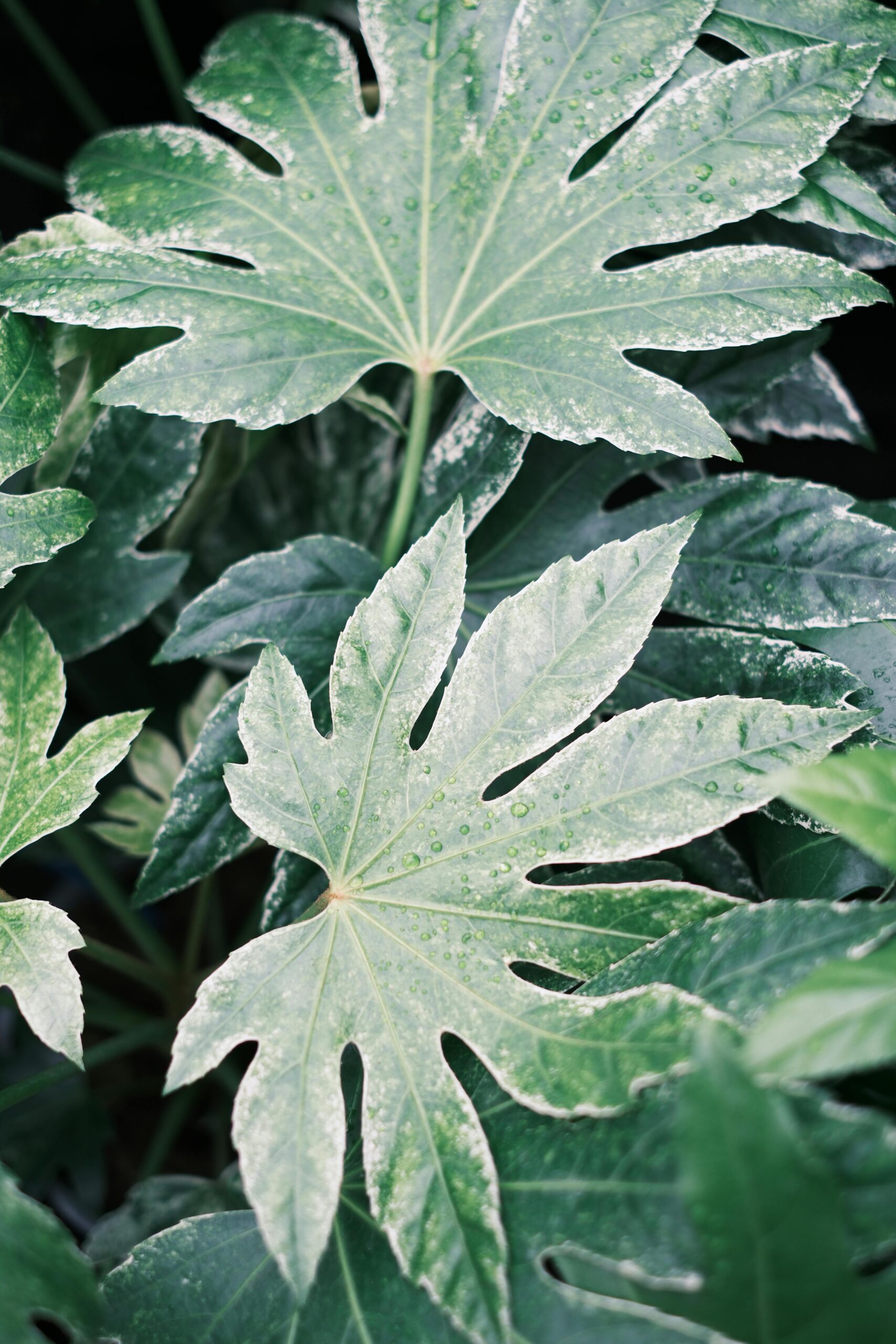
The large, palmate leaves can grow up to a foot wide, providing a tropical feel even in temperate regions. In the right conditions, Japanese Aralia can also produce clusters of small white flowers in the fall, which can attract pollinators and add an extra layer of interest to your garden.
Choosing the Right Location
When planting Japanese Aralia, selecting the right location is crucial. This plant prefers partial to full shade, making it ideal for spots that receive filtered sunlight or dappled shade throughout the day. While it can tolerate some direct sunlight, too much can scorch the leaves, leading to a less healthy plant.
Additionally, ensure that the soil is well-draining and rich in organic matter. Japanese Aralia thrives in slightly acidic to neutral soil, so consider amending your garden bed with compost or peat moss to enhance fertility and drainage.
Best Planting Times
The best time to plant Japanese Aralia is in the spring after the last frost or in the fall before the first frost. Planting during these times allows the plant to establish its root system before facing the stress of extreme temperatures. If you’re located in a cooler region within its hardiness range, consider planting in the spring to give your Aralia ample time to grow before winter sets in.
How to Plant Japanese Aralia
1. Prepare the Planting Site: Clear the area of weeds and debris. If you’re planting in heavy clay or sandy soil, amend it with organic matter to improve drainage and nutrient content.
2. Dig a Hole: Dig a hole that is twice as wide as the root ball of your Japanese Aralia and just as deep. This gives the roots plenty of room to spread.
3. Planting: Remove the plant from its container and gently loosen any tightly bound roots. Place the plant in the center of the hole, ensuring that the top of the root ball is level with the soil surface. Backfill the hole with soil, firming it gently to eliminate air pockets.
4. Watering: Water the plant thoroughly after planting to help settle the soil. Continue to keep the soil consistently moist but not waterlogged during the establishment phase, which usually lasts about six weeks.
Caring for Japanese Aralia
Once established, Japanese Aralia requires relatively low maintenance, but there are a few key care tips to keep in mind:
Watering: While established plants are drought-tolerant, they will thrive with consistent moisture. Water regularly during dry spells, and during the hot summer months, increase watering frequency to prevent wilting.
Fertilizing: Apply a balanced, slow-release fertilizer in early spring to promote healthy growth. Follow the manufacturer’s instructions for application rates.
Pruning: Prune your Japanese Aralia in late winter or early spring to remove any dead or damaged leaves and to shape the plant. This will encourage bushier growth and maintain its attractive form.
Pest Management: Keep an eye out for common pests like spider mites and aphids. If you notice an infestation, treat it promptly with insecticidal soap or neem oil.
Common Mistakes to Avoid
Overexposure to Sunlight: Placing your Japanese Aralia in direct sunlight can lead to scorched leaves. Always opt for a partially shaded location.
Poor Drainage: Ensure that your planting area has good drainage. Waterlogged soil can lead to root rot, which is detrimental to the plant’s health.
Neglecting Pruning: Failing to prune can result in leggy growth and a less appealing appearance. Regular pruning helps maintain the plant’s shape and encourages new growth.
Ignoring Pest Issues: Don’t overlook any signs of pests. Early intervention can prevent larger infestations and protect the health of your plant.
Japanese Aralia can be a stunning addition to your garden, offering lush foliage and a touch of the exotic. With the right planting techniques and care, you can enjoy this beautiful plant for many years to come. Whether you choose to plant it as a standalone specimen or as part of a mixed garden bed, Japanese Aralia is sure to impress and elevate your outdoor space. Happy gardening!