Transform Your Leggy Seedlings: A Step-by-Step Rescue Plan for Thriving Plants
When you start your gardening journey, few things are more disheartening than discovering your seedlings have become “leggy”—tall, spindly plants that seem to reach desperately for light. This common issue can stem from insufficient light, overcrowding, or improper watering. Fortunately, with a little knowledge and some hands-on care, you can rescue those leggy seedlings and help them thrive. Here’s your essential guide to bringing your plants back from the brink.
Understanding Leggy Seedlings
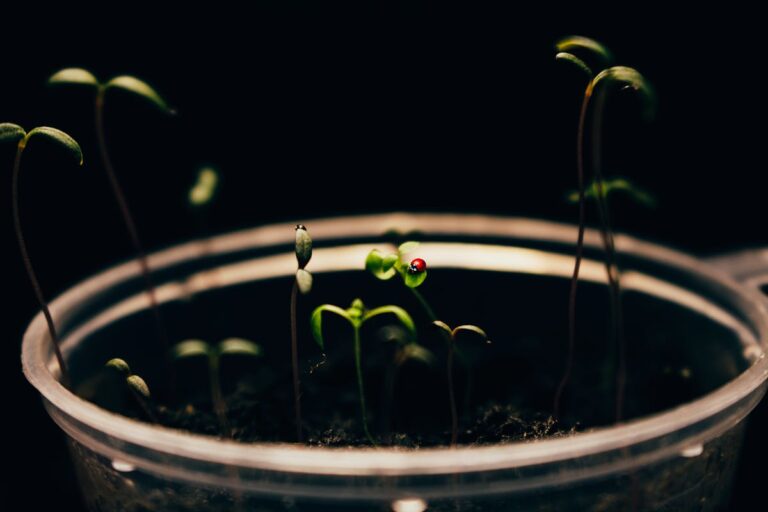
Leggy seedlings are often the result of etiolation, a process where plants stretch toward a light source. In their quest for sunlight, seedlings can become elongated and weak, making them less resilient when it’s time to transplant them into your garden or larger containers. Recognizing the signs early on can help you take action before it’s too late.
Signs of Legginess
Height: Seedlings that are twice or three times taller than their width are likely leggy.
Thin stems: A healthy seedling should have a robust stem. Leggy seedlings will have thin, weak stems that may bend easily.
Pale leaves: Lack of light can lead to chlorosis, where leaves turn yellowish or pale.
Sparse foliage: Leggy seedlings often have fewer leaves, which can further hinder their growth.
Identifying the Cause
Before you initiate your rescue plan, it’s crucial to identify the cause of your leggy seedlings. Here are some common culprits:
Insufficient Light: Seedlings require at least 12-16 hours of bright light daily. If they don’t get enough, they’ll stretch toward any available light source.
Overcrowding: When seedlings are too close together, they compete for light and space, leading to leggy growth.
Improper Watering: Overwatering can lead to weak roots, while underwatering can stress the plant.
Rescue Plan Steps
Now that you know what to look for and why it happens, here’s how to rescue your leggy seedlings:
1. Assess Light Conditions:
If your seedlings are indoors, consider moving them closer to a south-facing window or using grow lights. LED grow lights are energy-efficient and provide the full spectrum of light that seedlings need. Aim for 12-16 hours of light per day.
If you’re using natural light, rotate your seedlings every few days to ensure even growth.
2. Adjust Their Position:
If your seedlings are overcrowded, thin them out. Carefully remove the weakest seedlings, making sure to disturb the roots as little as possible. Leave enough space between each plant to allow for proper growth—typically 2-4 inches apart, depending on the type of seedling.
3. Support Leggy Seedlings:
For particularly tall seedlings, you can provide support by gently staking them. Use a small stick or a toothpick to prop them up and support their growth. Be cautious not to damage the stem while doing this.
4. Replant if Necessary:
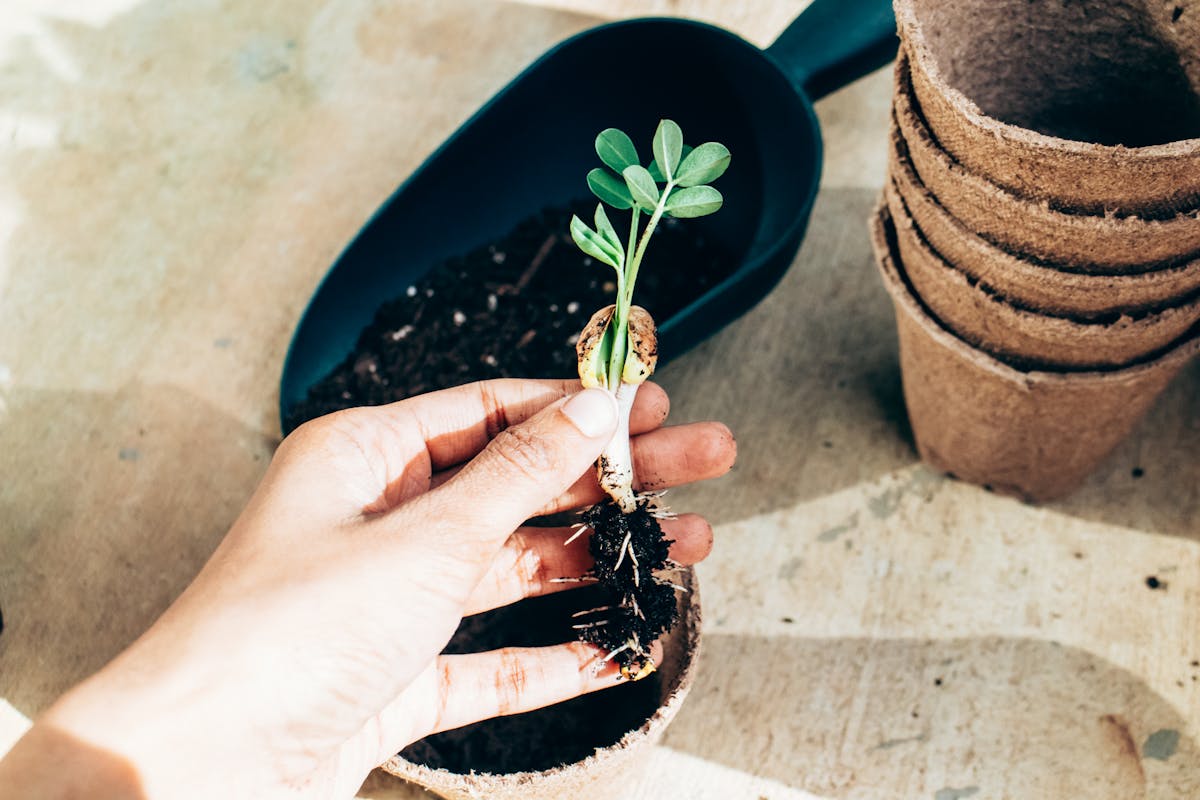
If your seedlings are severely leggy, consider burying them deeper when you transplant them into larger pots or your garden. This will help stabilize them and promote stronger root development. When transplanting, dig a hole deep enough to cover the lower part of the stem, leaving only the top leaves above the soil.
5. Encourage Robust Growth:
After adjusting their environment, feed your seedlings with a diluted, balanced fertilizer. Look for one that is specifically designed for seedlings, as it will provide the right nutrients without overwhelming them.
6. Monitor and Maintain:
Keep an eye on your seedlings as they adjust to their new conditions. Maintain consistent watering—allow the top inch of soil to dry out before watering again. Also, ensure they continue to receive adequate light.
Common Mistakes to Avoid
While rescuing leggy seedlings, it’s easy to make mistakes. Here are some pitfalls to avoid:
Overwatering: It’s tempting to think seedlings need constant moisture, but this can lead to root rot. Always check the soil moisture before watering.
Neglecting Air Circulation: Seedlings need good airflow to prevent fungal diseases. Ensure they’re not too crowded and provide gentle airflow with a fan if necessary.
Ignoring Temperature: Seedlings thrive in temperatures between 65°F and 75°F (18°C to 24°C). Protect them from drafts and extreme temperatures.
Transplanting Leggy Seedlings
Once your seedlings have grown stronger and are ready for transplanting, choose a day when temperatures are mild, ideally in the evening or on a cloudy day. Make sure to harden off your seedlings—a gradual process of acclimating them to outdoor conditions over a week or two. Start by placing them outside for a few hours each day, gradually increasing the time they spend outside.
Final Thoughts
Rescuing leggy seedlings is all about providing the right conditions and a little extra care. With the right approach, you can turn those spindly plants into healthy, robust additions to your garden. Remember, every gardener faces challenges, and learning from them is part of the journey. So roll up your sleeves, give your seedlings the attention they need, and watch them thrive!