Transform Your Living Space: A Beginner’s Guide to Indoor Desert Gardening
Indoor gardening can sometimes feel like a daunting task, especially if your heart is set on creating a desert oasis right in your living room. However, with the right plants, knowledge, and care, you can cultivate a thriving indoor desert garden that brings warmth and beauty to your home. This guide will walk you through the essentials of indoor desert gardening, perfect for beginners and intermediate gardeners alike.
Understanding the Desert Environment
Desert plants are typically adapted to survive in arid conditions with high temperatures during the day and cooler nights. They often have unique features like thick, fleshy leaves or stems that store water, as well as specialized root systems that help them gather moisture from the soil. When you replicate these conditions indoors, you can grow a variety of stunning succulents and cacti that will flourish in your home.
Choosing the Right Plants
When starting your indoor desert garden, it’s crucial to select the right plants. Here are some popular options that are well-suited for indoor growing:
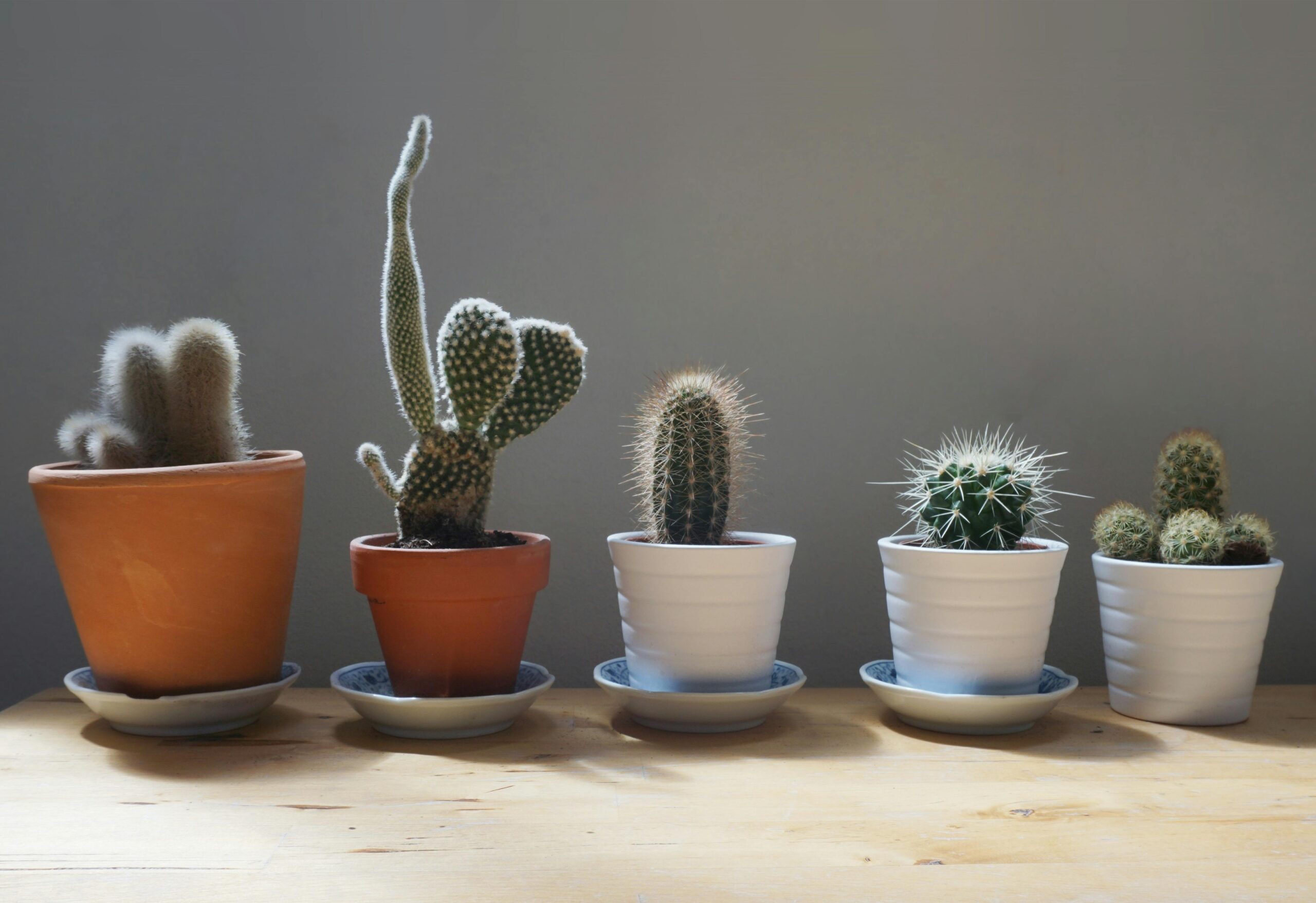
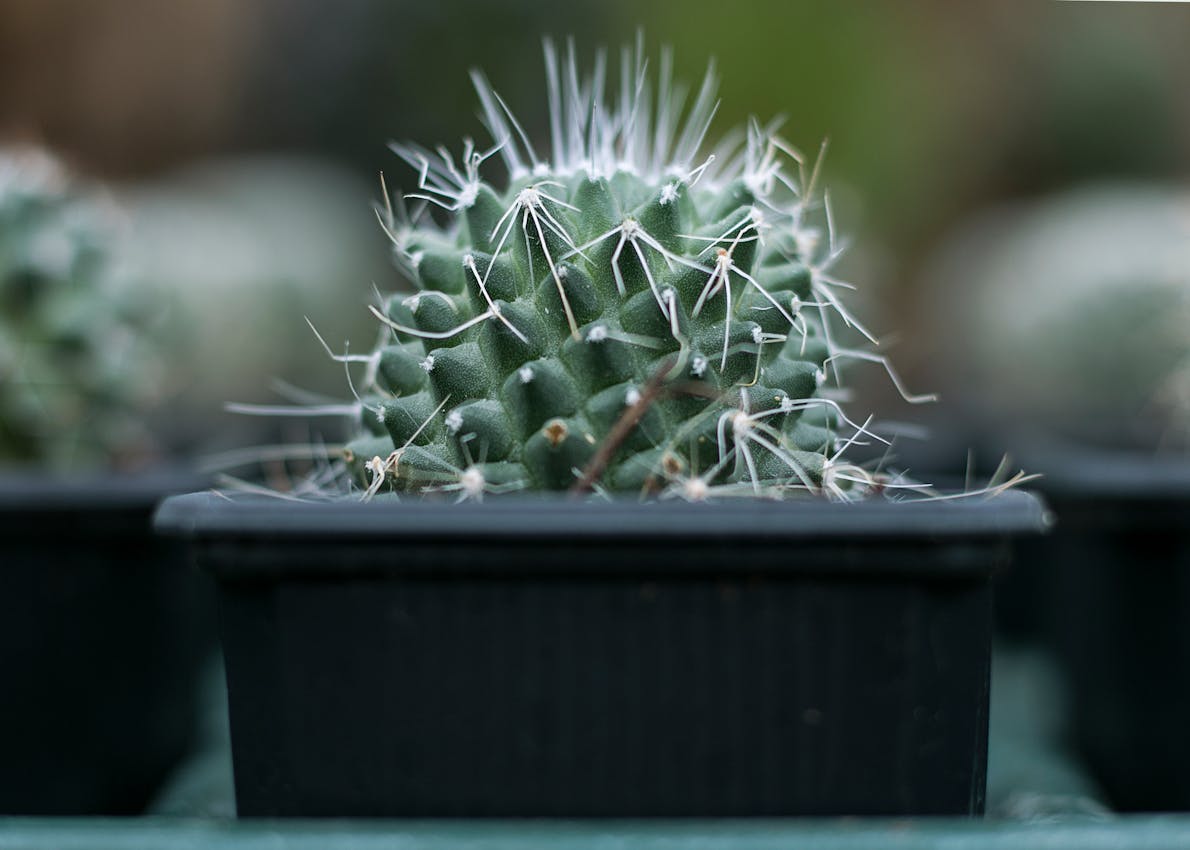
1. Cacti: These iconic desert dwellers are hardy and require minimal care. Popular varieties include the Saguaro, Barrel Cactus, and Christmas Cactus.
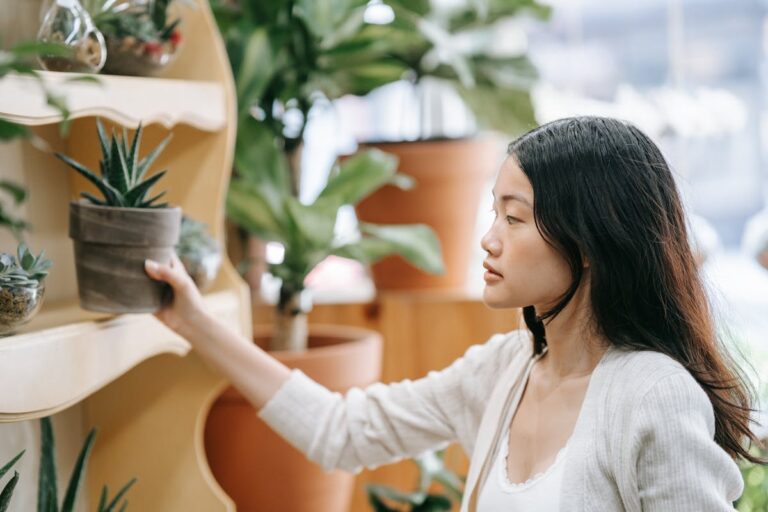
2. Succulents: These come in diverse shapes and sizes. Look for Echeveria, Aloe Vera, Jade Plant, and Haworthia. They are not only beautiful but also forgiving if you occasionally forget to water them.
3. Agave: Known for their architectural beauty, Agave plants require less water and can thrive in bright light. Consider varieties like Agave americana or Agave parryi.
4. Sedum: These low-growing plants are perfect for ground cover or in pots. Sedum morganianum (Burro’s Tail) is especially popular for its trailing habit.
5. Haworthia: These small, rosette-shaped succulents are perfect for desks or small spaces and are extremely low-maintenance.
Location and Light Requirements
The location of your indoor desert garden is crucial for your plants’ success. Most desert plants thrive in bright, direct sunlight for several hours a day. A south-facing window is usually ideal. However, if your space doesn’t provide enough light, consider using grow lights to supplement natural sunlight.
Make sure to rotate your plants occasionally to ensure even growth, as they can lean towards the light source. Keep an eye on your plants’ leaves; if they start to stretch or become leggy, they may not be getting enough light.
Soil and Potting
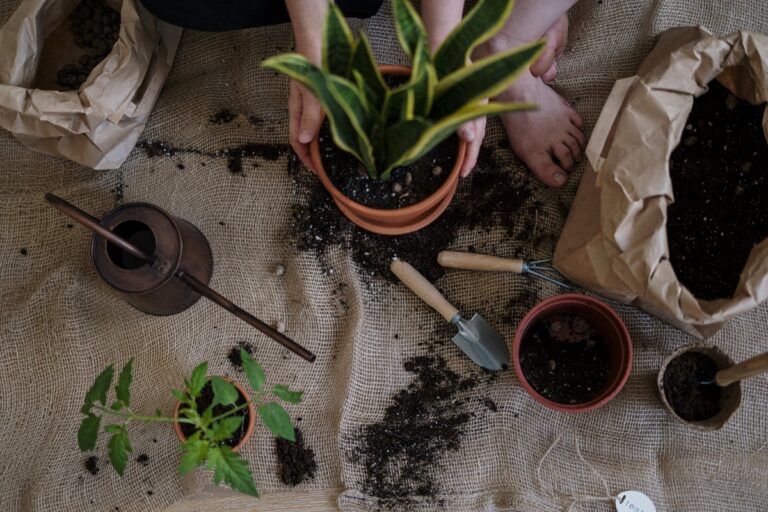
Desert plants require well-draining soil to thrive, as they are susceptible to root rot. Opt for a commercial cactus mix, or create your own by combining potting soil with sand, pumice, or perlite. This will enhance drainage and mimic the arid conditions of a desert.
When potting your plants, choose containers with drainage holes to prevent excess moisture from accumulating at the bottom. Terracotta pots are a great choice, as they allow for air exchange and moisture evaporation.
Watering Techniques
One of the most common mistakes in indoor desert gardening is overwatering. Desert plants prefer to dry out between waterings. To establish a proper watering schedule, consider the following:
1. Check the soil moisture: Stick your finger about an inch into the soil. If it feels dry, it’s time to water. If it’s still damp, wait a few days before checking again.
2. Seasonal adjustments: During the growing season (spring and summer), your plants will need more water, while in the dormant months (fall and winter), they require less frequent watering.
3. Water thoroughly: When you do water, do so thoroughly until it drains from the bottom of the pot. This helps ensure that the roots receive adequate moisture.
Fertilizing Your Indoor Desert Garden
While desert plants are generally low-maintenance, they can benefit from occasional feeding. Use a diluted, balanced fertilizer during the growing season (spring and summer) to provide necessary nutrients. Make sure to follow the manufacturer’s instructions to avoid over-fertilizing, which can harm your plants.
Common Pests and Problems
Indoor desert plants can still face challenges such as pests and diseases. Keep an eye out for common issues:
Mealybugs: These pests can be identified by their white, cottony appearance. Remove them with a cotton swab dipped in rubbing alcohol.
Spider mites: These tiny pests thrive in dry conditions. If you notice webbing or speckled leaves, increase humidity around your plants or use insecticidal soap.
Root rot: This is often caused by overwatering. Ensure your pots have proper drainage and adjust your watering schedule accordingly.
Creating a Desert Oasis
To enhance the aesthetic appeal of your indoor desert garden, consider incorporating decorative elements. Choose beautiful pots that complement the colors of your plants, and create visual interest by arranging plants of varying heights. Adding pebbles or sand to the surface of the soil can also evoke a desert feel.
Additionally, consider using terrariums for smaller plants, which can create a mini desert ecosystem and add a unique touch to your home decor.
Final Thoughts
Indoor desert gardening can be a rewarding and fulfilling hobby that allows you to bring a touch of the arid outdoors into your living space. With the right plants, care, and attention, you can create a vibrant oasis that thrives in your home. So roll up your sleeves, gather your supplies, and get ready to start your indoor desert adventure!