Transform Your Pothos Plant with This Simple Kitchen Scrap Secret
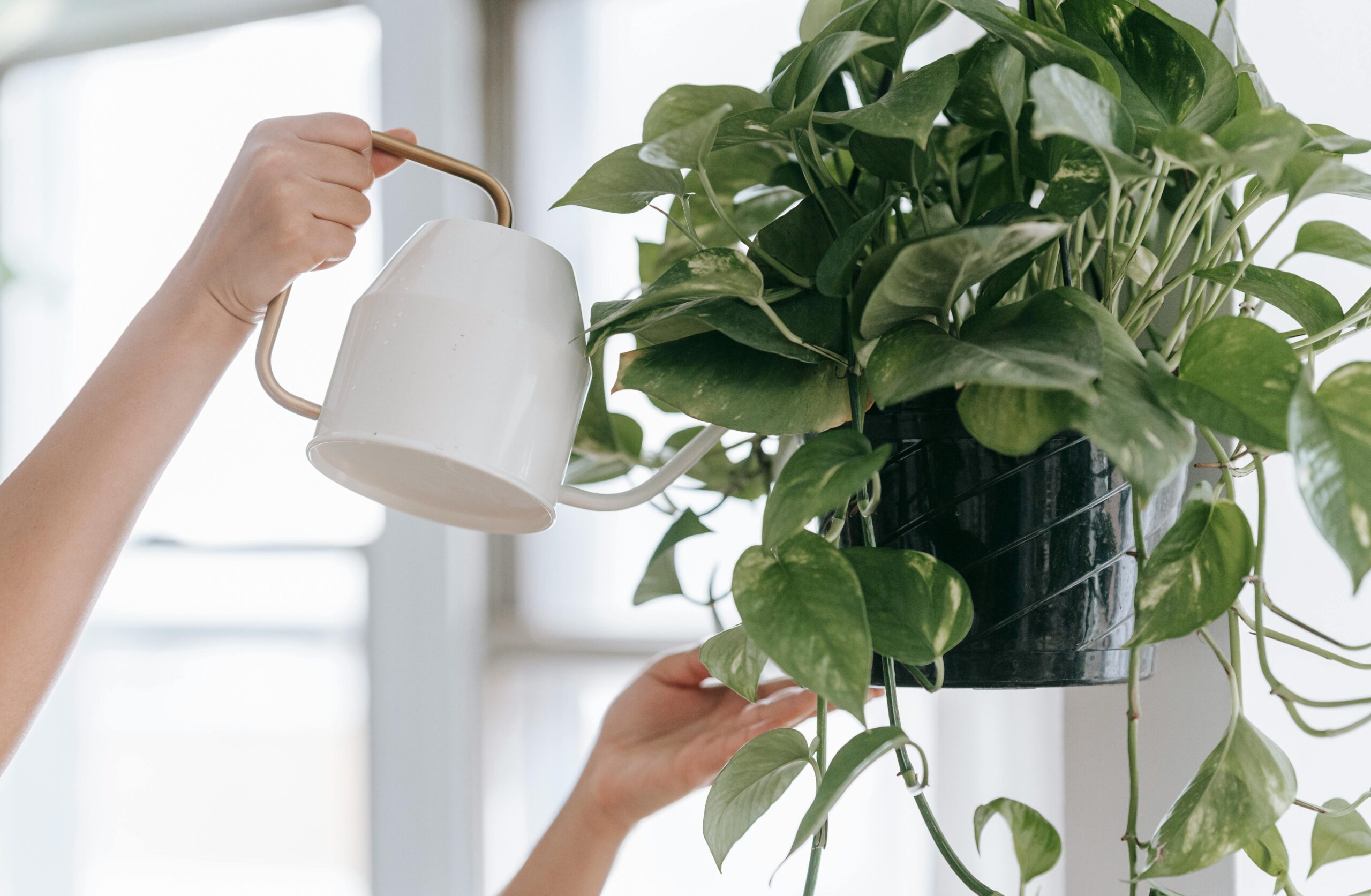
Pothos plants, known for their trailing vines and vibrant green leaves, are a favorite among houseplant enthusiasts and beginners alike. These resilient plants thrive in various conditions, making them perfect for indoor gardening. However, even the hardiest plants can benefit from a little extra care. If you’re looking to boost your pothos’s health and growth, you might be surprised to learn that a common kitchen scrap could be the secret ingredient you need: potato peels!
The Benefits of Using Potato Peels
Potato peels are often discarded as waste, but they are rich in nutrients that can enhance your pothos plant’s growth. They contain essential vitamins and minerals, including potassium, phosphorus, and calcium, which are vital for plant development. By utilizing potato peels, you can create a natural fertilizer that promotes lush foliage and robust root systems.
How to Prepare Potato Peels for Your Pothos
Using potato peels as a fertilizer is straightforward and cost-effective. Here’s a step-by-step guide to get you started:
1. Collect the Peels: When you prepare potatoes for meals, save the peels. It’s best to use organic potatoes to avoid any pesticide residues. Rinse the peels thoroughly to remove any dirt or contaminants.
2. Dry the Peels: Lay the rinsed peels out on a baking sheet or a clean cloth and allow them to dry completely. This process can take a few hours to overnight, depending on your environment. Drying helps to prevent mold development when you add the peels to the soil.
3. Chop or Grind: Once dried, chop the peels into small pieces or grind them into a coarse powder. Smaller pieces will decompose more quickly in the soil, releasing nutrients faster.
4. Mix with Soil: Incorporate the chopped or ground peels into the top layer of soil in your pothos pot. A handful per pot is sufficient. This will help enrich the soil as the potato peels break down over time.
5. Water and Wait: After adding the peels, water your pothos as you normally would. The moisture will help activate the nutrients in the peels, allowing them to seep into the soil.
When to Apply Potato Peel Fertilizer
To get the most out of your potato peel fertilizer, apply it every four to six weeks during the growing season, which typically runs from spring to early fall. Avoid over-fertilizing, as this can lead to nutrient burn. If your pothos is in a dormant phase during winter, hold off on adding any fertilizer until new growth appears in the spring.
Other Ways to Use Potato Peels
In addition to enriching the soil for your pothos, potato peels can be used in various ways to enhance your gardening experience:
Compost: Add potato peels to your compost pile. They decompose well and contribute to the nutrient content of your compost.
Liquid Fertilizer: Create a nutrient-rich liquid fertilizer by boiling potato peels in water. Let the mixture cool and then use it to water your plants. The nutrients will leach into the water, providing a quick boost.
Pest Deterrent: Some gardeners use potato peels to deter pests in their gardens. Simply scatter peels around plants to help keep certain insects at bay.
Common Mistakes to Avoid
While using potato peels can be beneficial, there are a few common mistakes to watch out for:
Using Peels from Green Potatoes: Avoid using peels from green or sprouted potatoes, as they contain solanine, which can be harmful to plants.
Overdoing It: Too many peels can lead to an excess of nutrients, which can harm your pothos. Stick to the recommended amount and frequency.
Ignoring Signs of Stress: Keep an eye on your pothos after applying potato peels. If you notice yellowing leaves or wilting, it may indicate over-fertilization or other issues.
The Science Behind Potato Peels and Plant Growth
Potato peels are not just a waste product; they are a treasure trove of nutrients that plants crave. Potassium helps with root development and overall plant strength, while phosphorus is essential for flowering and fruiting. Calcium promotes strong cell walls, leading to healthier and more resilient plants. By utilizing these peels, you’re not only reducing kitchen waste but also enriching your pothos’s growing environment.
Final Tips for Thriving Pothos
To ensure your pothos thrives, consider the following additional care tips:
Light: Pothos prefer bright, indirect sunlight. Too much direct sunlight can scorch their leaves, while too little can hinder growth.
Watering: Allow the top inch of soil to dry out between waterings. Overwatering can lead to root rot, a common issue with pothos.
Humidity: These plants enjoy humidity. If your home is dry, consider misting your pothos or placing a humidifier nearby.
Pruning: Regularly prune your pothos to encourage bushier growth and remove any yellow or dead leaves.
By utilizing potato peels and following these care tips, you can enjoy a thriving pothos plant that will beautify your home and purify your indoor air. Happy gardening!