Transform Your Space: 3 Must-Have Indoor Plants from a Garden Centre Expert
Indoor plants can breathe life into any room, improve air quality, and create a calming atmosphere. As someone who has spent years working in a garden center, I’ve seen firsthand which plants thrive indoors and are easy to care for, making them perfect for beginners and intermediate gardeners alike. Here, I’m sharing three versatile indoor plants that can enhance your living space, regardless of your gardening experience.
1. Snake Plant (Sansevieria trifasciata)
The snake plant, also known as mother-in-law’s tongue, is a favorite for its striking upright leaves and resilience. It can tolerate low light conditions and infrequent watering, making it an ideal choice for busy individuals or those new to indoor gardening.
Care Tips:
Light: Snake plants prefer indirect sunlight but can adapt to low light. Avoid placing them in direct sunlight, as this can scorch their leaves.
Watering: Allow the soil to dry completely between waterings. During the growing season (spring and summer), water every 2-3 weeks, and reduce frequency in fall and winter.
Soil: Use a well-draining potting mix, ideally one designed for succulents.
Fertilization: Fertilize with a balanced houseplant fertilizer every 4-6 weeks during the growing season for optimal growth.
Common Mistakes:
One common mistake is overwatering. Snake plants are particularly susceptible to root rot, so err on the side of dryness. If you notice browning at the leaf tips, this might be a sign of too much direct sunlight or underwatering.
2. Pothos (Epipremnum aureum)
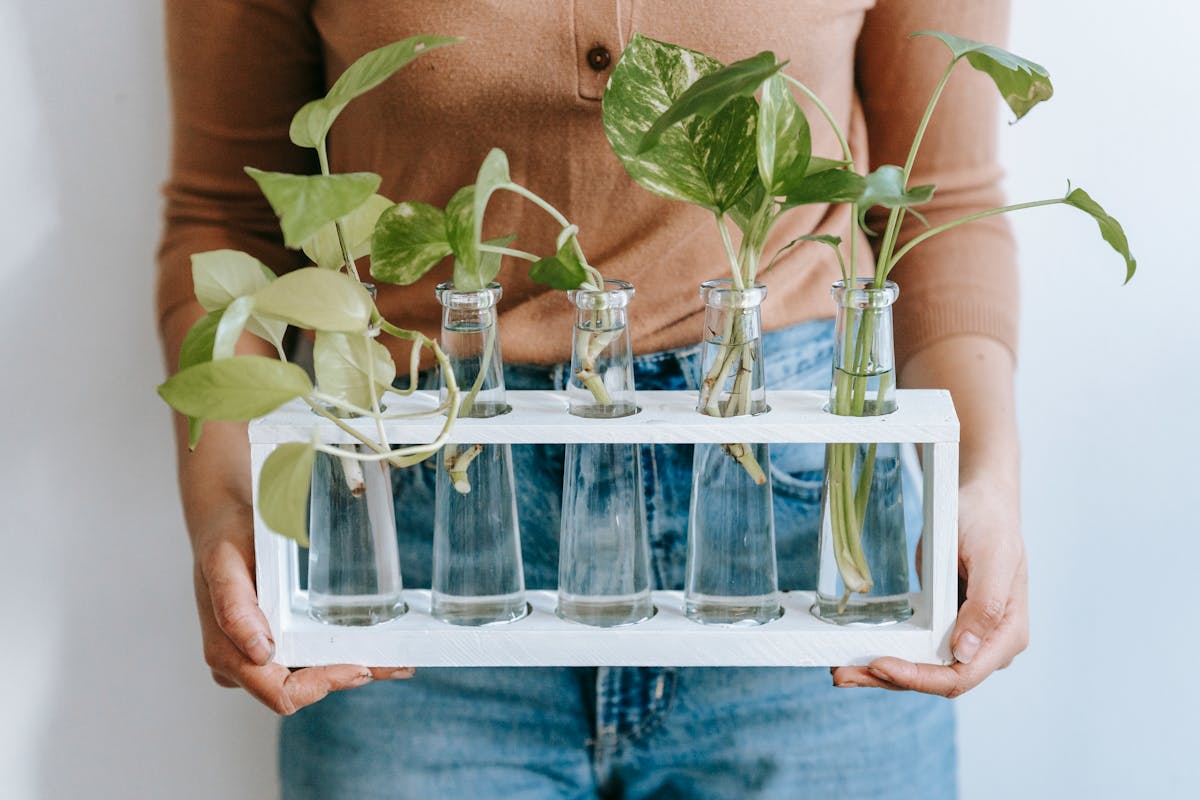
Pothos is often praised for its trailing vines and heart-shaped leaves, making it an attractive option for hanging baskets or shelf displays. It’s not only easy to grow but also helps purify the air, making it a fantastic choice for any room in your home.
Care Tips:
Light: Pothos thrives in a variety of lighting conditions, from low light to bright, indirect sunlight. However, avoid direct sunlight, which can cause leaf burn.
Watering: Water when the top inch of soil feels dry. In general, this means watering every 1-2 weeks, but adjust based on your home’s humidity and temperature.
Soil: Any good-quality potting mix will suffice, but ensure it has good drainage.
Fertilization: Feed with a balanced liquid fertilizer every 4-6 weeks during the growing season to encourage bushier growth.
Common Mistakes:
Many new gardeners overwater pothos, leading to yellowing leaves. Always check the soil moisture before watering, and if you notice leaves turning yellow, reduce watering frequency.
3. ZZ Plant (Zamioculcas zamiifolia)
The ZZ plant is a stunning choice for those who may not have the greenest of thumbs. Its glossy, dark green leaves and unique growth pattern make it a striking addition to any indoor setting. Plus, it’s incredibly low-maintenance.
Care Tips:
Light: ZZ plants are adaptable and can thrive in low light conditions. They do best in indirect light but can survive in darker spaces.
Watering: Water less frequently than you might expect. Allow the soil to dry out completely between waterings, usually every 2-3 weeks. In lower light conditions, reduce watering even further.
Soil: A well-draining potting mix is essential. A cactus or succulent mix also works well.
Fertilization: Fertilizing is typically unnecessary, but if you want to provide extra nutrients, use a diluted liquid fertilizer every 3-6 months.
Common Mistakes:
One of the most frequent issues with ZZ plants is overwatering. They are susceptible to root rot, so always let the soil dry out thoroughly before the next watering. If you notice drooping leaves, this could indicate overwatering or poor drainage.
Final Thoughts on Indoor Gardening
When bringing plants into your home, consider your space, light conditions, and how much time you can dedicate to plant care. The snake plant, pothos, and ZZ plant are excellent choices for anyone looking to add greenery without the stress of high maintenance.
To ensure your indoor plants thrive, keep an eye on their health by regularly checking for signs of distress, such as yellowing leaves or stunted growth. Remember that every plant is unique, so take the time to observe and adjust your care routine as needed.
By incorporating these hardy and beautiful plants into your home, you can create a lush, inviting atmosphere that enhances your living space and brings you closer to nature, no matter the season. Happy gardening!