Transform Your Spring Garden: Essential Winter Tasks for Thriving Growth
As winter settles in and temperatures drop, many gardeners may feel the urge to put their tools away until warmer days return. However, the winter season offers a unique opportunity to set the stage for a flourishing spring garden. By tackling a few essential winter gardening tasks, you can ensure that your garden is primed for growth, vibrant colors, and bountiful harvests come springtime. Here are key winter gardening tasks that will make your spring gardening experience 10 times easier.
Preparing Your Garden Beds
Winter is the perfect time to prepare your garden beds for the upcoming growing season. Start by cleaning up any debris, such as fallen leaves or dead plants, that may harbor pests or diseases. Remove any weeds that have survived the frost, as they can compete with your new plants for nutrients and water.
Once your beds are cleared, consider adding organic matter, such as well-rotted compost or leaf mold. This will enrich your soil, improve its structure, and enhance moisture retention. A thick layer of mulch can also be applied to protect the soil from erosion and maintain a steady soil temperature during the winter months.
Plan Your Spring Garden Layout
Winter is an ideal time for reflection and planning. Take the opportunity to sketch out your garden layout for the upcoming spring. Consider crop rotation to maintain soil health and prevent pest buildup. Look at what worked well in previous seasons and what didn’t, and make adjustments accordingly.
If you’re considering growing vegetables, think about companion planting. Some plants thrive when grown together, while others may hinder each other’s growth. Research which plants complement one another, and incorporate this knowledge into your garden plan.
Start a Winter Garden Journal
Keeping a winter garden journal can be a beneficial practice for any gardener. Document your thoughts, successes, and challenges from past seasons, and note your goals for the upcoming spring. This record will serve as a valuable reference point, helping you identify patterns and make informed decisions about plant choices and garden strategies.
Record important dates, such as when you plan to start seeds indoors or when you expect the last frost date in your area. Having this information at your fingertips will boost your confidence when spring arrives and help you stay organized throughout the gardening season.
Test and Amend Your Soil
A crucial step in winter gardening is testing your soil. Soil testing kits are available at local garden centers or through extension services. Testing will reveal the pH and nutrient levels of your soil, allowing you to make informed amendments. If your soil is too acidic or alkaline, you can adjust it with lime or sulfur, respectively.
Furthermore, winter is an excellent time to add amendments such as bone meal or rock phosphate to enrich your soil with phosphorus. This nutrient is vital for root development and overall plant health, making it especially important as you prepare for spring planting.
Start Seeds Indoors
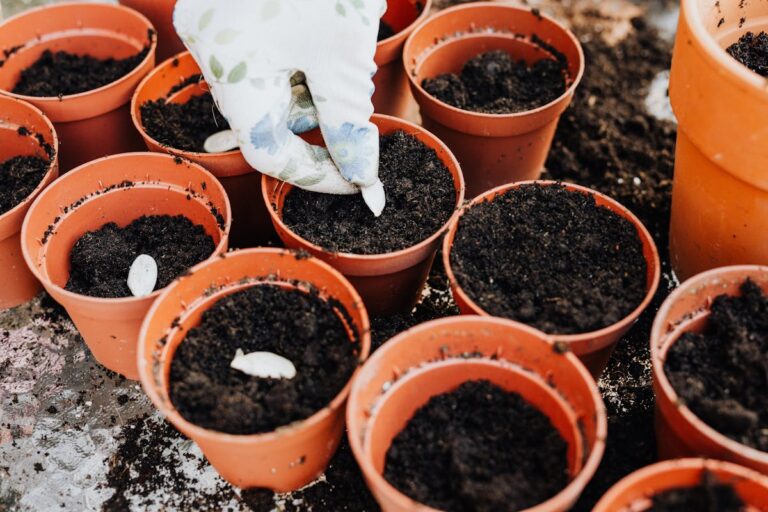
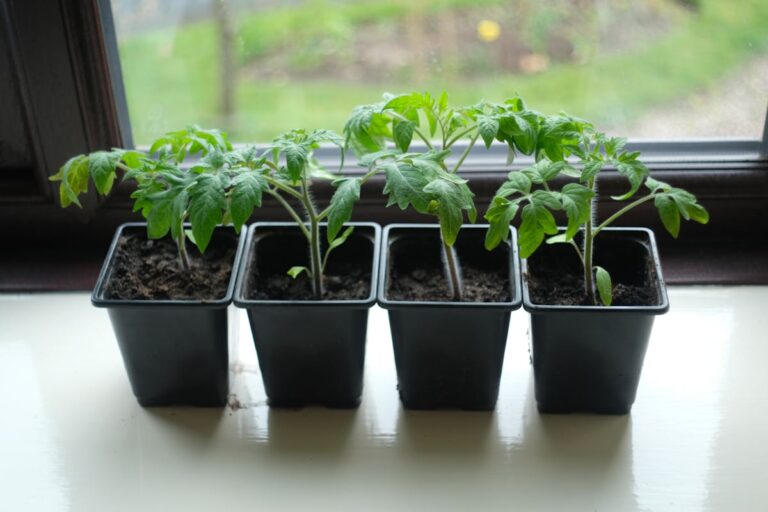
For gardeners eager to get a jumpstart on the growing season, starting seeds indoors can be an effective strategy. Many vegetables and flowers benefit from an early start, allowing you to transplant them outdoors once the weather warms up.
When starting seeds indoors, choose the right containers and soil mix. Use seed trays or biodegradable pots and fill them with a seed-starting mix. Follow the instructions on the seed packets for planting depth and spacing. Make sure to provide adequate light, whether natural or from grow lights, and keep the soil consistently moist but not overly wet.
Be mindful of hardening off your seedlings before transplanting them outdoors. This process involves gradually acclimating your plants to outdoor conditions over a week or two. Start by placing them outside for a few hours each day, gradually increasing their exposure to sunlight and wind.
Winter Pruning
Many trees and shrubs benefit from winter pruning. This practice can encourage healthy growth and shape your plants for the upcoming season. Focus on removing dead or diseased branches and any that are crossing or rubbing against each other. Additionally, thinning out crowded branches will improve air circulation and sunlight penetration, which is crucial for plant health.
However, not all plants should be pruned in winter. Be sure to research the specific needs of your trees and shrubs, as some may be better pruned in late summer or early fall.
Protecting Your Plants
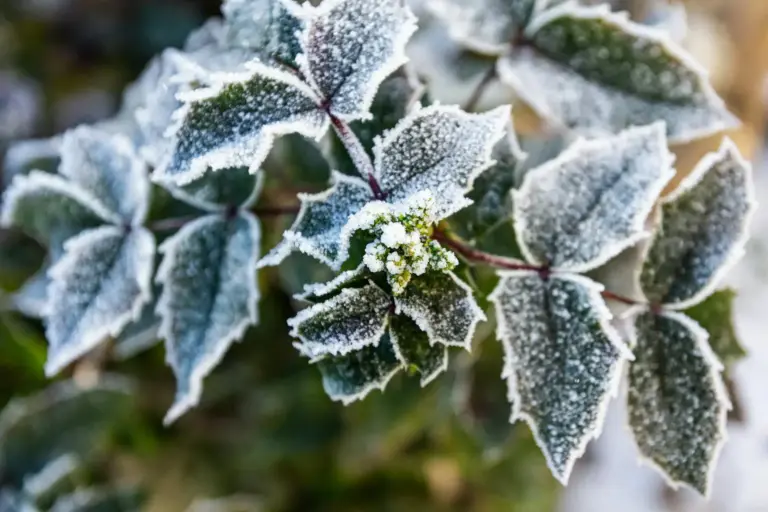
Winter can be tough on your garden, especially in areas that experience harsh conditions. Take steps to protect your plants from extreme cold, ice, and heavy snow. Use frost cloths or burlap to shield delicate plants from freezing temperatures. For perennials, consider applying a thick layer of mulch to insulate their roots.
If you have container plants, consider moving them closer to your home or into a sheltered area to reduce exposure to cold winds. Additionally, water your plants before a hard freeze to help them withstand the cold. Hydrated plants are more resilient and can better endure harsh winter conditions.
Engaging in Winter Gardening Activities
While the garden may seem dormant, winter is an excellent time for gardeners to engage in other gardening-related activities. Consider taking a gardening course, attending workshops, or joining local gardening clubs. This will not only expand your knowledge but also connect you with fellow gardening enthusiasts.
Moreover, take this time to research new plants, garden techniques, and trends. Whether it’s exploring new vegetable varieties or learning about permaculture practices, the more knowledge you gain, the better equipped you will be for your spring garden.
By tackling these winter gardening tasks, you’ll be laying a strong foundation for a successful spring gardening season. With a little preparation and planning, you can ensure that your garden thrives and flourishes, bringing beauty and bounty to your home. So grab your gardening gloves and get started—spring is just around the corner!