Unbrewed Benefits: The Surprising Truth About Using Coffee Grounds in Your Garden
Coffee is one of the most popular beverages in the world, and with that popularity comes a mountain of used coffee grounds. For gardeners, this waste product can be a tempting addition to the compost pile or the garden bed. However, while coffee grounds can offer some benefits, there are also misconceptions and potential pitfalls that many gardening pages overlook. Let’s dive into the facts about using coffee grounds in your garden so you can make the most informed decisions for your plants.
Understanding Coffee Grounds and Their Nutrients
Coffee grounds are primarily made up of organic material, which means they can contribute to soil health when used correctly. They contain essential nutrients like nitrogen, phosphorus, potassium, and magnesium. The nitrogen content is particularly beneficial, making coffee grounds a valuable addition to compost and garden soil.
However, it’s important to remember that coffee grounds are not a one-size-fits-all solution. While they can enhance soil quality, they should be used in moderation. Too much nitrogen can lead to an imbalance in your compost, potentially harming your plants rather than helping them.
The Benefits of Coffee Grounds
1. Soil Amendment: Coffee grounds can improve soil structure by helping to aerate the soil, promoting better drainage and root growth. They can also enhance the water retention capabilities of sandy soils, making them more suitable for various plant types.
2. Nutrient Boost: When added to compost, coffee grounds help increase the nutrient profile of the finished product. The grounds break down quickly, releasing nitrogen that is essential for plant growth.
3. Pest Deterrent: Some gardeners have reported success using coffee grounds as a natural pest repellent. The strong smell of coffee can deter slugs, snails, and certain insects from feasting on your plants. However, while this method may work for some, it isn’t guaranteed.
4. pH Level: Contrary to popular belief, used coffee grounds are generally neutral to slightly acidic, making them suitable for most plants. However, if you’re growing plants that prefer alkaline conditions, such as lilacs or asparagus, it’s wise to be cautious with their use.
How to Use Coffee Grounds in Your Garden
There are several effective ways to incorporate coffee grounds into your gardening routine:
As a Compost Ingredient: Mix coffee grounds into your compost bin as a “green” ingredient. Aim for a ratio of about 1 part coffee grounds to 3 parts “browns” (like dried leaves or cardboard) to maintain a healthy carbon-to-nitrogen ratio.
Direct Application: Sprinkle coffee grounds around your plants as a slow-release fertilizer. Just be cautious not to overdo it—about a quarter-inch layer is ideal.
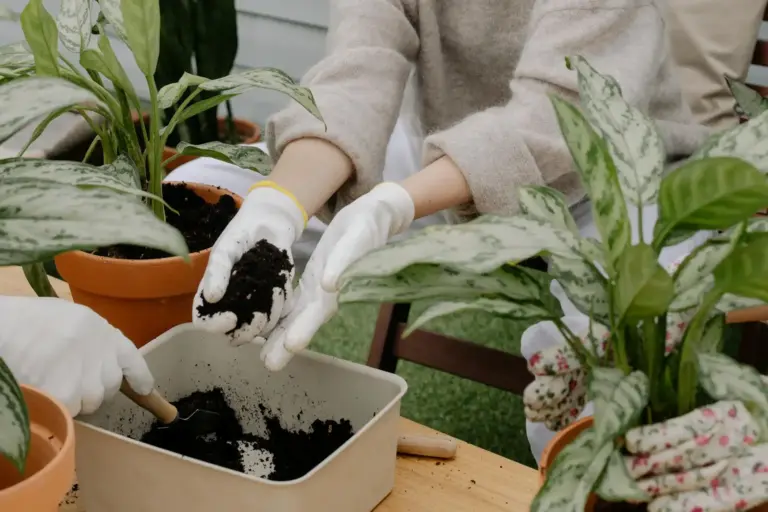
Incorporating into Soil: Before planting, mix coffee grounds into the top few inches of soil. This can help improve drainage, aeration, and nutrient availability for new plantings.
As a Mulch: Coffee grounds can be used as a mulch, helping retain moisture in the soil. However, be aware that using too thick of a layer can lead to compaction, which may restrict water and air from reaching plant roots.
Common Mistakes to Avoid
1. Overapplication: As mentioned, moderation is key. Too many coffee grounds can lead to nitrogen overload in your soil, which can harm your plants. Stick to small amounts to avoid this issue.
2. Ignoring Drying: Fresh coffee grounds can clump together and develop mold, especially in moist conditions. If you’re not using them right away, consider drying them out before application.
3. Neglecting Other Nutrients: Relying solely on coffee grounds for nutrients can lead to deficiencies in other essential elements. Make sure to use a balanced fertilizer alongside coffee grounds to ensure your plants are getting a well-rounded diet.
4. Plant-Specific Considerations: Not all plants will thrive on coffee grounds. Acid-loving plants like blueberries and azaleas may benefit from the slight acidity, while other plants could suffer. Research your plant species before applying coffee grounds.
Timing Is Everything
When it comes to using coffee grounds, timing can play a significant role in their effectiveness. If you’re adding them to your compost, aim to do so during the active composting months—spring and summer—when microbial activity is high. This will help break down the grounds more quickly, enhancing the composting process.
If you’re using coffee grounds directly in the garden, consider applying them in the early spring when you’re preparing your garden beds. This timing allows the nutrients to integrate into the soil before planting season.
Final Thoughts
Coffee grounds can be a valuable resource for gardeners when used wisely. By understanding their benefits and limitations, you can incorporate them into your gardening routine without falling prey to common misconceptions. With a little care and moderation, you can turn waste into a powerful tool for growing healthy, vibrant plants. So go ahead, sip that cup of coffee, and let the grounds work their magic in your garden!