Understanding the Spring Slowdown: Why Your Seedlings Stop Growing and How to Fix It
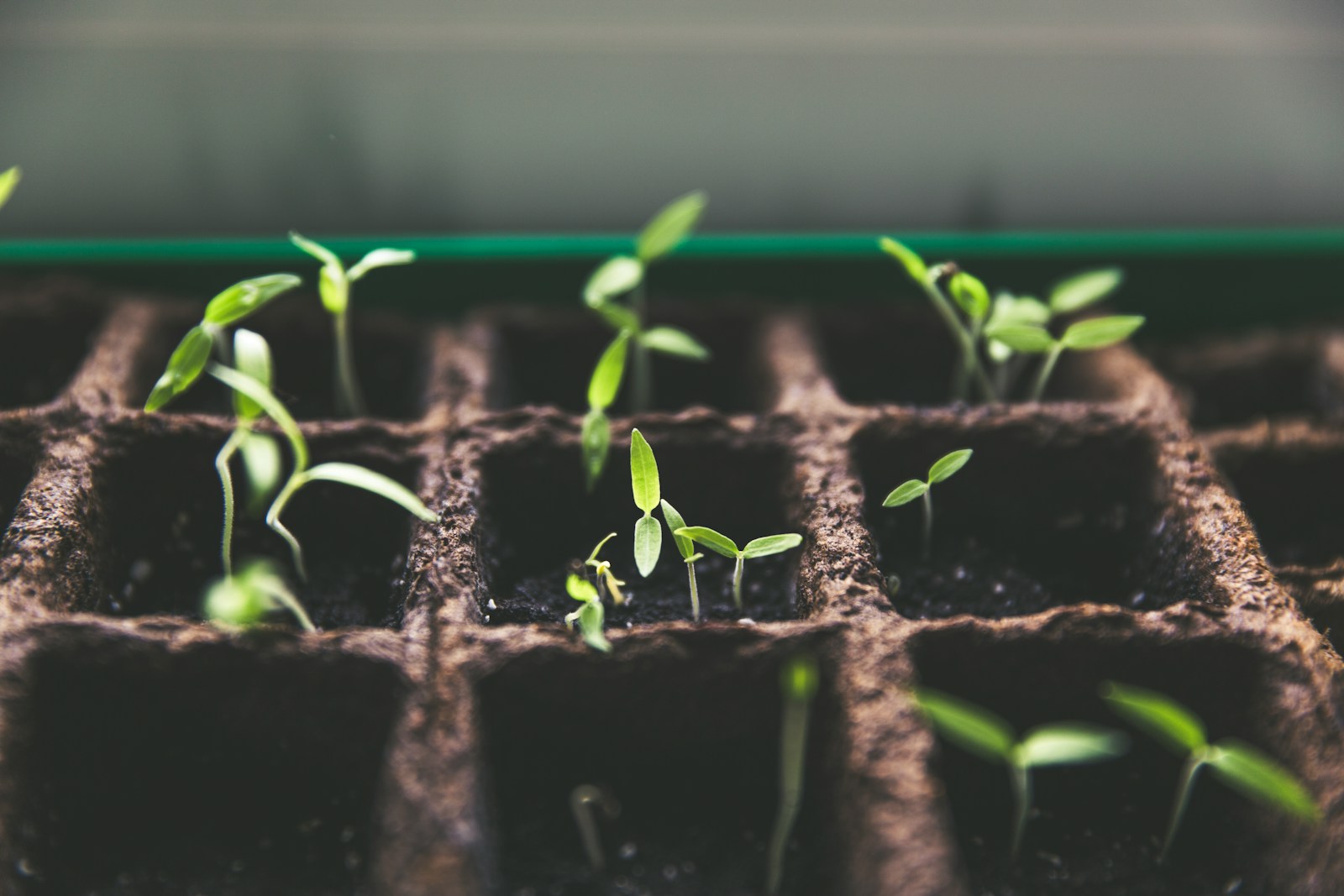
Spring is a time of renewal and growth in the garden, but for many home gardeners, the excitement can quickly turn to frustration when seedlings suddenly stop growing. Despite appearing healthy, these young plants can become stagnant, leaving you to wonder what went wrong. If you’ve been scratching your head over this common issue, read on as we delve into the reasons behind your seedlings’ unexpected slowdown and how to revive their growth.
Understanding Seedling Growth
Before we jump into the reasons for a growth stall, it’s important to understand that seedlings go through various stages of development. After germination, they enter a phase of rapid growth where they establish roots and develop leaves. However, several factors can interrupt this growth even when seedlings seem vibrant and healthy.
Common Reasons for Growth Stagnation
1. Environmental Stressors
Seedlings are sensitive to their environment, and any fluctuations can impact their growth. Here are a few environmental factors to consider:
Temperature: While seeds generally thrive in warm conditions, excessive heat can cause stress. Most seedlings prefer temperatures between 65°F and 75°F (18°C to 24°C). If daytime temperatures rise too high or nighttime temperatures drop too low, your seedlings may halt their growth.
Light: Insufficient light is another common culprit. Seedlings need plenty of bright, indirect light to grow sturdy and healthy. If they are leggy or stretching towards the light source, it’s a sign they’re not getting enough. Aim for 12-16 hours of light daily, either from a sunny window or grow lights.
Humidity: High humidity levels can lead to fungal diseases such as damping-off, while low humidity can stress seedlings. A stable humidity level of around 40-60% is ideal. If the air is too dry, consider using a humidity dome or a misting technique.
2. Nutrient Imbalance
Seedlings require a balance of nutrients for optimal growth. Over-fertilizing can lead to nutrient burn, while under-fertilizing can stunt growth. Here’s what to consider:
Soil Quality: Use a high-quality seed-starting mix that provides essential nutrients without overwhelming seedlings. Look for mixes that contain peat moss, vermiculite, or coconut coir.
Fertilization: If you notice your seedlings have stopped growing, they may need a nutrient boost. After about two weeks from germination, consider using a diluted liquid fertilizer every 2-4 weeks. Choose a balanced fertilizer with equal parts nitrogen, phosphorus, and potassium (N-P-K) to promote healthy growth.
3. Watering Issues
Watering habits can significantly affect seedling growth. Both over-watering and under-watering can lead to problems:
Over-watering: This is perhaps the most common mistake home gardeners make. Seedlings’ roots need oxygen to thrive, and soggy soil can lead to root rot. Ensure your pots have drainage holes and allow the top inch of soil to dry out between waterings.
Under-watering: On the flip side, if seedlings are too dry, they will slow down growth. Check the soil moisture regularly, and water when the top layer feels dry. Avoid soaking them too frequently; consistency is key.
4. Pests and Diseases
Sometimes, unnoticed pests or diseases can be the cause of your seedlings’ growth problems. Here’s how to identify and address these issues:
Inspect for Pests: Look closely at your seedlings for signs of pests like aphids, spider mites, or fungus gnats. These tiny invaders can sap the energy from your plants. If you find pests, treat them promptly with insecticidal soap or neem oil.
Disease Symptoms: Fungal diseases, such as damping-off, can cause seedlings to wilt or collapse. Ensure good air circulation, avoid over-crowding, and use sterile pots and soil to minimize the risk of disease.
5. Transplant Shock
If you’ve moved your seedlings from indoors to outdoors, they might experience transplant shock, which can temporarily halt growth. To ease this transition:
Hardening Off: Gradually acclimate your seedlings to outdoor conditions over a week or two. Start by placing them outside for a few hours each day, gradually increasing their exposure to sunlight and wind.
Optimal Timing: Ensure you transplant seedlings after the last frost date in your area to avoid cold stress. Check your local frost dates to determine the best time for planting.
Reviving Your Seedlings
If your seedlings have come to a standstill, don’t lose hope! Here are some practical steps to revive their growth:
Assess and adjust their growing conditions based on the points mentioned above. Ensure they have the right temperature, light, and humidity levels.
Check soil moisture and adjust your watering habits accordingly.
If nutrient deficiency is suspected, apply a diluted fertilizer to give them a boost.
Monitor for pests and diseases, treating any issues as soon as they arise.
By understanding the common reasons behind your seedlings’ growth stalls and taking proactive steps, you can help your garden flourish this spring. Remember, gardening is a journey of learning, and each challenge offers an opportunity to improve your skills. Happy gardening!