Unearthing Gardening Wisdom: Lessons from North Dakota’s Growing Seasons
Gardening is more than just a seasonal hobby; it’s an art form that reflects the relationship between people and the land. For many in North Dakota, including areas like Bismarck, the practice of gardening has evolved over generations, drawing on a wealth of local knowledge and experience. As we look back at the wisdom cultivated by Dakota gardeners, we uncover valuable lessons that can help both beginners and intermediate gardeners thrive in their own green spaces.
Understanding Local Conditions
One of the first lessons from Dakota gardeners is the importance of understanding your local environment. North Dakota’s climate, characterized by cold winters and short growing seasons, requires careful planning. The USDA hardiness zones range from 3b to 4b, which means that gardeners need to choose their plants wisely.
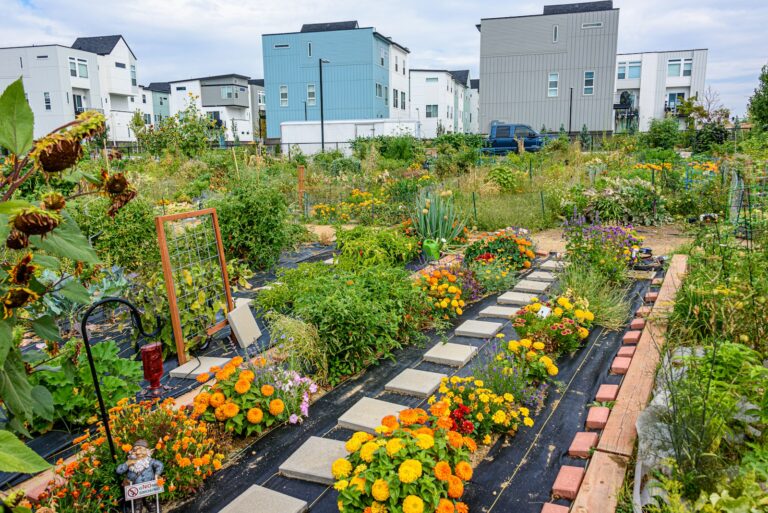
When selecting plants, consider annuals and perennials that are well-suited to your zone. For example, hardy perennials like coneflowers, daylilies, and sedums thrive in these conditions. Annuals such as marigolds and zinnias can add vibrant color to your garden, blooming throughout the summer.
Timing is Everything
Another crucial aspect of successful gardening in Dakota is understanding the timing of planting and harvesting. The last frost date typically falls around mid-May, so it’s essential to wait until after this date to plant tender vegetables and flowers. Starting seeds indoors can give you a head start; consider sowing tomatoes, peppers, and eggplants about six to eight weeks before the last expected frost.
Conversely, cool-season crops like peas, lettuce, and spinach can be sown as soon as the soil is workable in early spring. These crops thrive in the cooler temperatures and can be harvested before the heat of summer sets in.
Soil Preparation: The Foundation of Success
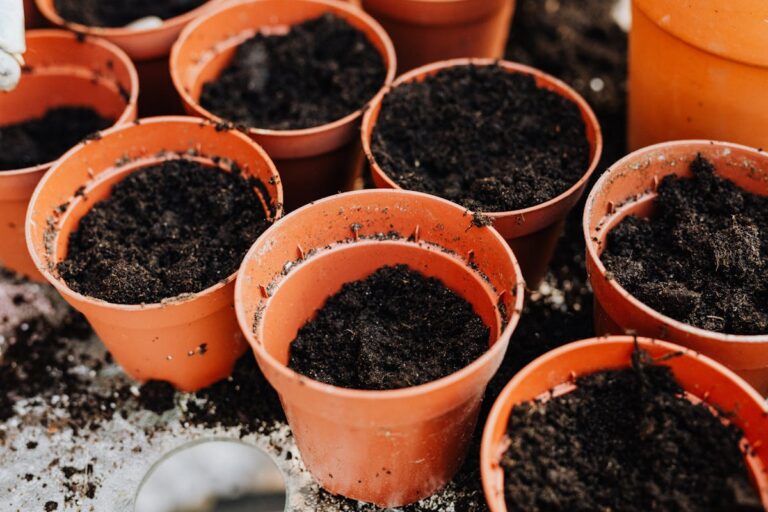
Healthy soil is the cornerstone of any successful garden, and Dakota gardeners know this well. Start by testing your soil to determine its pH and nutrient levels. Most plants prefer a slightly acidic to neutral pH (around 6.0 to 7.0). If your soil needs improvement, consider adding organic matter like compost or well-rotted manure to enhance fertility and structure.
When preparing your garden bed, take time to clear away weeds and debris. Loosen the soil to a depth of at least 12 inches, which allows roots to penetrate easily. Incorporating organic matter not only improves soil health but also helps retain moisture, an essential factor given the fluctuating precipitation levels in North Dakota.
Watering Wisely
Water management is another area where Dakota gardeners excel. With the potential for dry spells during the growing season, understanding when and how to water your plants can make a significant difference.
A general guideline is to water deeply and less frequently, aiming for about one inch of water per week, including rainfall. Early mornings are the best time to water, as this allows the plants to absorb moisture before the heat of the day. Avoiding late afternoon watering helps prevent evaporation and reduces the risk of fungal diseases, which thrive in humid conditions.
Mulching is a simple yet effective strategy to retain soil moisture and suppress weeds. Organic mulches, such as wood chips or straw, not only serve these purposes but also break down over time, adding nutrients back to the soil.
Pest and Disease Management
No garden is immune to pests and diseases. Dakota gardeners often rely on a combination of prevention and intervention. Start by planting resistant varieties and practicing crop rotation to disrupt pest cycles. Regularly inspecting your plants for signs of trouble can help you catch issues early.
If pests do become a problem, consider using integrated pest management (IPM) strategies. This might include introducing beneficial insects, such as ladybugs and lacewings, or utilizing natural repellents like neem oil. Always avoid the temptation to resort to harsh chemicals, as they can disrupt the balance of your garden ecosystem.
Learning from the Past
The wisdom of Dakota gardeners is also rooted in community and shared experiences. Local gardening clubs and extension services provide valuable resources for gardeners of all levels, offering workshops, plant swaps, and educational materials. Engaging with fellow gardeners can provide insights into what works best in your area and help you avoid common pitfalls.
Many seasoned gardeners recommend keeping a garden journal, where you can record what you planted, when you planted it, and how it performed. This practice not only helps you track your successes and failures but also fosters a deeper connection to the land and its rhythms.
Embracing Change
As climate patterns shift, Dakota gardeners are learning to adapt. Understanding the importance of biodiversity, many gardeners are incorporating native plants into their gardens. These species are better suited to local conditions and can provide essential habitat for pollinators and other wildlife.
Additionally, sustainable practices such as rainwater harvesting, composting, and reducing chemical inputs are becoming increasingly popular. By embracing these changes, gardeners can contribute to a healthier environment while enjoying the beauty and bounty of their gardens.
In closing, the lessons learned from Dakota gardeners are rich and varied, blending tradition with innovation. By understanding local conditions, timing your planting, preparing your soil, managing water wisely, and learning from the community, you can cultivate a thriving garden that reflects your own unique touch. Whether you are a beginner or have some experience, there’s always room to grow in the world of gardening.