Unleash the Beauty: A Complete Guide to Planting and Growing Crape Myrtle

Crape myrtle (Lagerstroemia indica) is a beloved choice for many North American gardeners, known for its stunning summer blooms, vibrant foliage in the fall, and impressive bark. With its ability to thrive in various conditions, crape myrtle can enhance any garden landscape. This guide will walk you through the essentials of planting and growing crape myrtle, ensuring your garden bursts with color and beauty.
Understanding Crape Myrtle
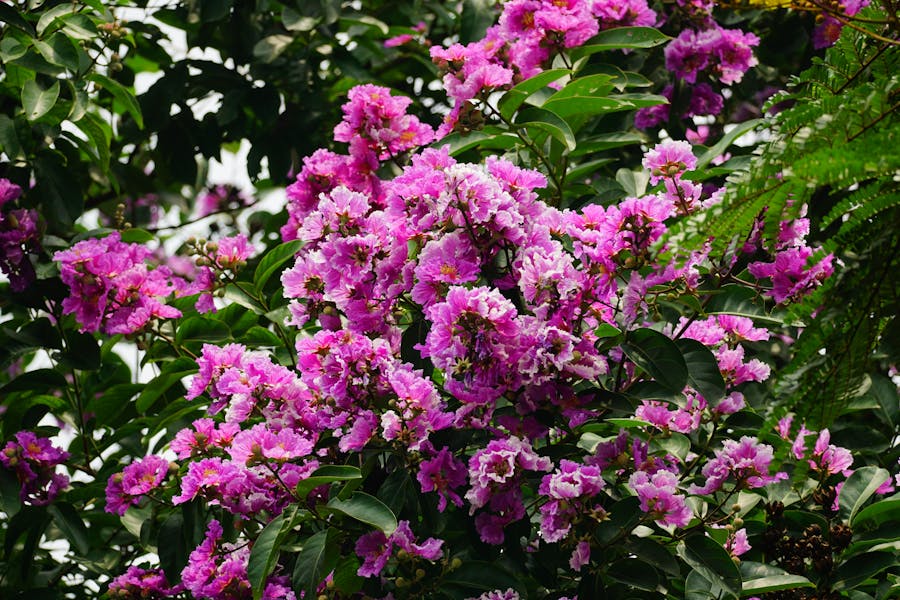
Crape myrtle is a deciduous shrub or small tree that showcases clusters of flowers in shades of pink, white, red, and purple from late spring to fall. It is particularly popular in USDA hardiness zones 7 to 9, where it flourishes in warm climates. Crape myrtles are relatively low-maintenance, making them a great choice for both novice and experienced gardeners.
Choosing the Right Variety
Before planting, it’s essential to choose the right variety of crape myrtle for your garden. With numerous cultivars available, consider the following factors:
1. Size: Crape myrtles range from dwarf varieties that stay under 3 feet tall to larger trees that can reach heights of 30 feet or more. Assess your garden space to select a variety that fits.
2. Bloom Color: Crape myrtle flowers come in various colors, including pink, purple, red, and white. Choose a color that complements your existing garden palette.
3. Foliage: The leaves of crape myrtles change color with the seasons, adding visual interest. Some varieties feature vibrant fall foliage, while others have glossy green leaves.
Selecting the Right Planting Location
Crape myrtles thrive in full sun, so choose a planting location that receives at least six hours of direct sunlight daily. They are also adaptable to different soil types but prefer well-draining soil with a pH level between 5.0 and 6.0. Avoid areas with heavy clay or waterlogged soil, as crape myrtles are susceptible to root rot in poorly drained conditions.
Timing Your Planting
The best time to plant crape myrtle is in the spring after the last frost date or in the fall before the first frost. If you’re planting a young tree or shrub, ensure to give it plenty of time to establish roots before winter arrives. For most regions, this means planting between March and May for spring or September to October for fall.
Preparing the Soil
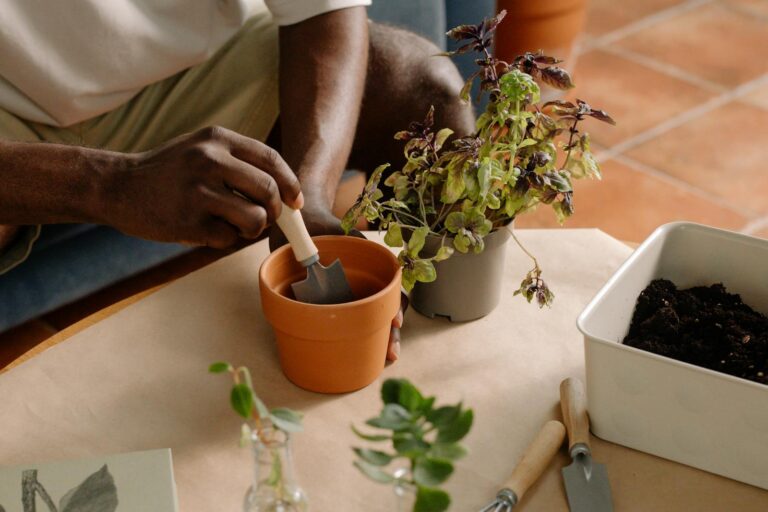
Before planting, prepare the soil by removing any weeds, grass, or debris from the area. Dig a hole that is twice as wide and just as deep as the root ball of the crape myrtle. This will allow the roots to spread easily. Amend the soil with organic matter, such as compost, to improve drainage and provide nutrients.
Planting Your Crape Myrtle
1. Remove the Plant from the Container: Gently slide the crape myrtle out of its container, taking care not to damage the roots.
2. Position the Plant: Place the crape myrtle in the center of the hole, ensuring that the top of the root ball is level with the soil surface. If planting multiple crape myrtles, space them according to their mature width.
3. Backfill the Hole: Fill in the hole with soil, gently tamping it down to eliminate air pockets. Water the plant thoroughly to help settle the soil.
4. Mulch: Apply a layer of mulch around the base of the plant, leaving a few inches of space around the trunk. This helps retain moisture, suppress weeds, and regulate soil temperature.
Watering and Fertilizing
After planting, water your crape myrtle deeply once a week for the first month to help establish the roots. Once established, crape myrtles are drought-tolerant and require less frequent watering. However, during prolonged dry spells, it’s beneficial to provide additional water.
Fertilizing is generally not necessary unless your soil is particularly poor. If you choose to fertilize, do so in early spring using a balanced, slow-release fertilizer. Avoid fertilizing late in the growing season, as this can stimulate new growth that may not harden off before winter.
Pruning for Health and Aesthetics
Pruning crape myrtle is an essential step to encourage healthy growth and an attractive shape. The best time to prune is late winter or early spring before new growth begins. Focus on the following:
1. Remove Dead or Damaged Branches: Cut away any branches that are dead, damaged, or crossing.
2. Shape the Plant: Trim back some of the larger branches to create a balanced shape. Avoid the “crape murder” technique of cutting back all branches aggressively, as this can lead to poor flowering and ugly growth.
3. Encourage Airflow: Thin out crowded branches to improve airflow, reducing the risk of disease.
Common Issues and Pests
Crape myrtles are generally resistant to pests and diseases, but they can occasionally face challenges. Watch for aphids, which can be controlled with insecticidal soap, and powdery mildew, which can be reduced by ensuring proper airflow through pruning. Keeping your plants healthy through good cultural practices will minimize most issues.
Enjoying Your Crape Myrtle
With proper care and attention, your crape myrtle will reward you with stunning blooms and beautiful foliage for many years. Whether used as a focal point in your garden or planted in groups for a dramatic effect, crape myrtles are sure to enhance the beauty of your outdoor space. Happy gardening!