Unleash the Power of Coffee Grounds: Your Garden’s Best Spring Secret
As spring awakens North American gardens, many homeowners are eager to nurture their plants back to life after a long winter. While you might be tempted to stock up on expensive fertilizers and garden supplies, there’s a free household item that can work wonders for your garden: used coffee grounds. This common kitchen waste is not only eco-friendly but also a powerhouse for your soil and plants. Let’s explore how coffee grounds can help your garden thrive this spring and how to use them effectively.
Understanding Coffee Grounds as a Garden Resource
Coffee grounds are rich in nitrogen, a nutrient that is essential for plant growth. In fact, they contain about 2% nitrogen, along with other nutrients like potassium and phosphorus. This makes them an excellent addition to your compost pile or garden soil. Additionally, coffee grounds can improve soil structure, increase drainage, and promote healthy microbial activity, all of which are crucial for plant health.
Benefits of Using Coffee Grounds in Your Garden
1. Nutrient Boost: As mentioned, coffee grounds are high in nitrogen, which is vital for leafy green growth. When mixed into your soil, they provide a slow-release source of nutrients that can feed your plants over time.
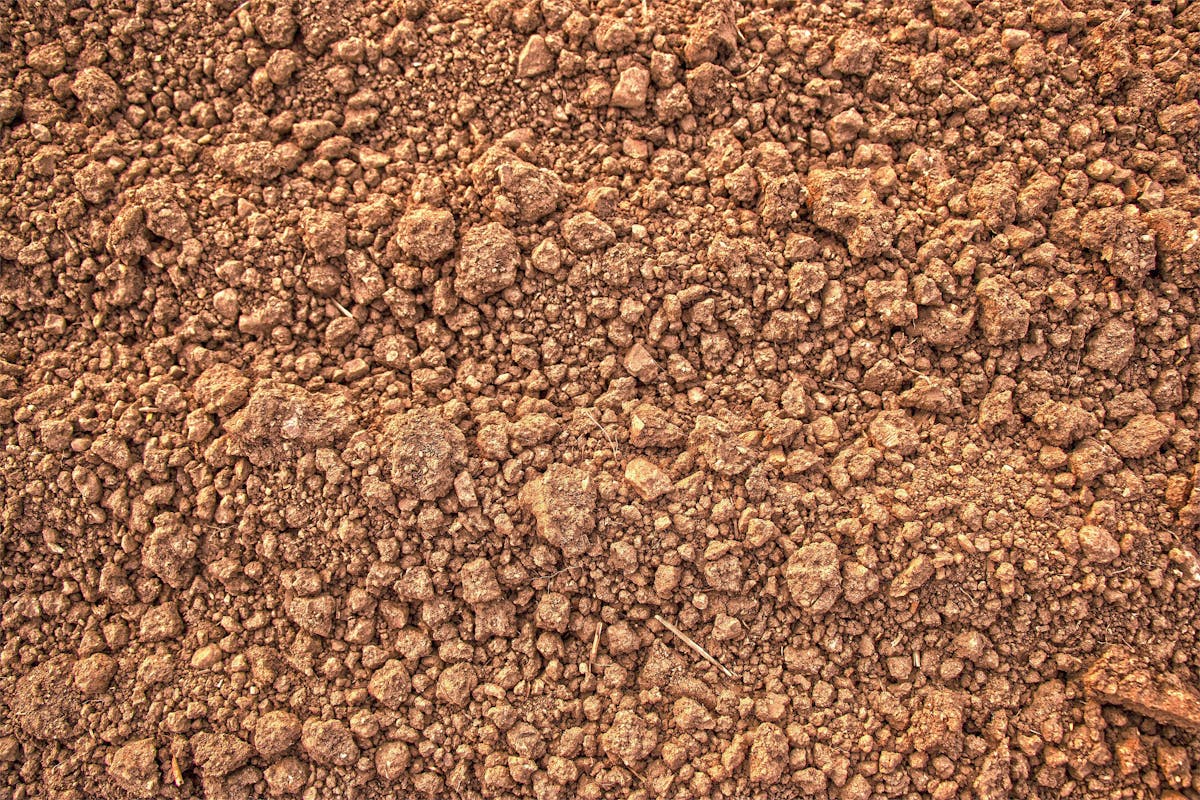
2. Soil Improvement: Coffee grounds can enhance soil structure by improving aeration and drainage. They help create a loamy texture, making it easier for roots to grow and absorb water and nutrients.
3. Pest Deterrent: Some gardeners have reported that coffee grounds can help repel pests like slugs and snails. While research is still ongoing, sprinkling coffee grounds around plants may provide a natural barrier.
4. Worm Attractor: If you have a compost bin or worm farm, coffee grounds can attract worms, which are beneficial for breaking down organic matter and enriching your soil.
5. pH Balance: Although coffee grounds are slightly acidic, they are not as acidic as you might think. When added to your garden, they can help balance soil pH over time, especially in alkaline soils.
How to Use Coffee Grounds in Your Garden
Now that you know the benefits, let’s dive into how to use coffee grounds effectively in your garden.
1. As a Soil Amendment: Mix used coffee grounds directly into your garden soil. A ratio of about 1 part coffee grounds to 3 parts soil is a good starting point. This can be done during spring planting to give your plants an early nutrient boost. Just remember not to overdo it, as too many grounds can create a dense layer that restricts water flow.
2. In Your Compost Bin: If you compost, coffee grounds are a great “green” addition. They add nitrogen to your compost mix and help balance carbon-rich materials, like dried leaves and cardboard. Be sure to mix the grounds well into the compost to avoid clumping.
3. As a Mulch: You can use coffee grounds as a mulch around your plants. Spread a thin layer (about ½ inch) around the base of your plants, but avoid piling them too close to the stems to prevent rot.
4. For Seed Starting: If you’re starting seeds indoors, consider mixing coffee grounds with your potting soil. This can help provide essential nutrients for young plants.
5. Brewed Coffee Water: If you have leftover brewed coffee, dilute it with water (1 part coffee to 3 parts water) and use it to water your plants. This can give your plants a quick nutrient infusion.
Common Mistakes to Avoid
While using coffee grounds can be beneficial, there are some common pitfalls to watch out for:
Overapplication: Too much coffee grounds can lead to soil compaction, preventing air and water from reaching plant roots. Stick to the recommended ratios and mix well.
Ignoring Other Nutrients: While coffee grounds are a great source of nitrogen, they don’t provide a complete nutrient profile. Ensure you’re also incorporating other amendments, such as compost, to meet all your plants’ needs.
Using Untested Grounds: If you drink flavored or sweetened coffee, be cautious. The added ingredients may not be suitable for your garden. Stick to plain coffee grounds for the best results.
Not Testing Soil: Before adding coffee grounds, consider testing your soil’s pH and nutrient levels. This can help you understand your garden’s specific needs and avoid over-acidifying the soil.
Timing is Everything
For most North American gardeners, early spring is the perfect time to start incorporating coffee grounds into your gardening routine. As soil temperatures begin to rise and plants start to wake from dormancy, adding coffee grounds can give them the early boost they need to thrive. You can start adding them to your compost pile as soon as you have enough scraps or directly to your garden as soon as the soil is workable.
In summary, used coffee grounds are a fantastic, eco-friendly resource that can help your garden flourish in the spring. By incorporating this free household item into your gardening practices, you’ll not only nourish your plants but also reduce kitchen waste. So next time you brew a cup of coffee, remember that those grounds can be a valuable asset to your garden’s success. Happy gardening!